How to Plan Meaningful Culture Travel
Culture travel is more than sightseeing. It’s about connecting with the stories, traditions, art, food, music, and creative expressions that make each destination unique.
Whether you’re wandering through a world-famous museum, chatting with a local artisan, attending a concert, or learning a traditional craft, meaningful culture travel turns an ordinary trip into an elevated cultural experience.
This post brings together my top travel tips for arts & culture travel, based on years of seeking out local art, meeting artisans, discovering small museums, attending performances, and following my curiosity.
Use these suggestions to help you plan immersive cultural travel experiences that feel richer and far more connected than a typical mass tourism experience.
Why Artsy Traveler?
I call my blog Artsy Traveler because I’ve always believed the arts are one of the most powerful ways to understand the history and culture of the people who live in the destinations I visit.
Engaging with visual art, music, literature, dance, cuisine, and performance opens doors to genuine human connection and authentic cultural experiences.
Call me idealistic; I don’t mind!
I believe that humans crave connection and that impactful cultural travel experiences help us understand the world and each other in heartfelt ways.
13 Top Tips for Meaningful Cultural Travel
Before you dive into specific tips, approach the concept of culture travel with the right mindset:
- Slow down
- Stay curious
- Look for opportunities to engage rather than simply observe
Meaningful cultural experiences often happen in small, unexpected moments. You learn something new from an insightful museum guide; you find common interests with an artisan; you attend a neighborhood performance; or you prepare a local dish.
In a spirit of discovery, here are my top suggestions for making every trip richer, more connected, and deeply rooted in the culture of the place you’re exploring.
1. Pace Yourself in Major Museums
Major museums are cultural landmarks and essential stops for art and history lovers. These institutions house masterpieces and trace the histories that have shaped our global heritage and offer some of the best cultural tourism experiences anywhere.
Explore Sparingly But Deeply
To avoid burnout, choose two or three areas to explore. Don’t try to see everything in one visit.
A worthwhile museum experience is about savoring, not rushing.
Before you go to the museum, choose the areas you want to focus on. For example, if you know you love Impressionist art, go right to the fifth floor in the Musée d’Orsay and take your time strolling through the rooms. Don’t deplete your energy by spending time in areas containing art that doesn’t interest you as much.
Assume you’ll return!
Get Tickets in Advance
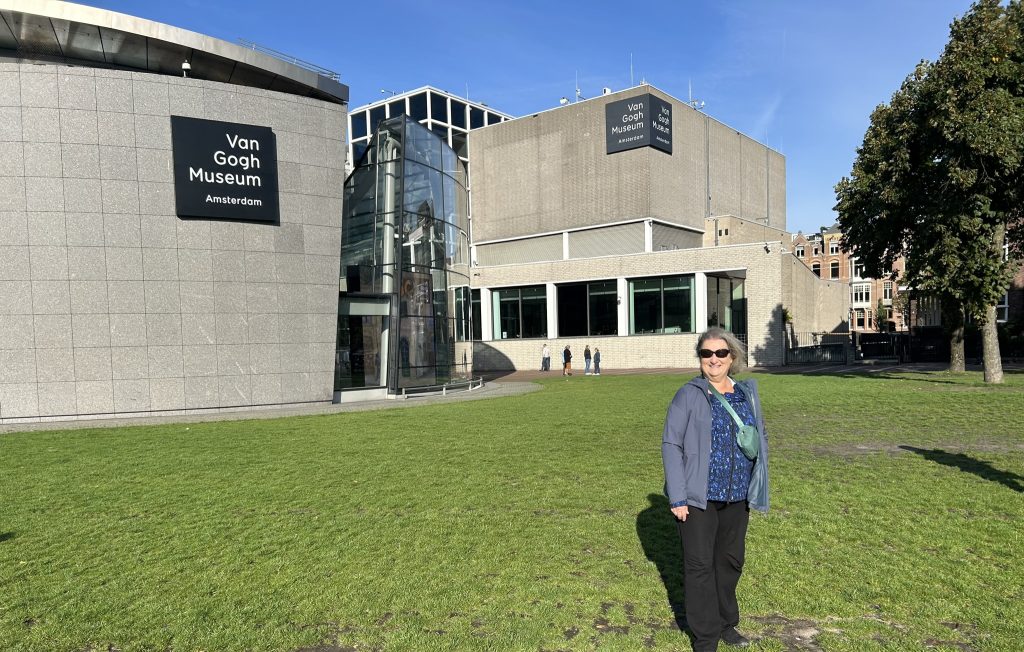
Make sure you purchase your tickets in advance, particularly for popular museums such as the Uffizi in Paris and the Van Gogh Museum in Amsterdam.
Most major museums sell timed-entry tickets. Choose a time when the museum has just opened or an hour or two before closing time to beat the crowds and create a more immersive cultural experience.
Guided Tours
Consider joining a tour provided by a museum guide or opt for the audio guide. Both enhance your arts and culture travel by offering context you may otherwise miss.
Most importantly, take breaks to recharge and conserve your energy. After checking out a floor or two of a major wing, pause to enjoy a coffee and a snack at the museum café. Many museums serve surprisingly good food.
Major Museums on Artsy Traveler
Here are some of the posts about major museums on Artsy Traveler:
- Uffizi Gallery: Top 10 Must-See Masterpieces and How to Visit
- iHow to Get the Most Out of Your Visit to the Victoria & Albert Museum in London
- What to See at the National Archaeological Museum in Athens
- Discover the Best of the Musée d’Orsay in Paris
- National Gallery of Canada: Best Bets for the Artsy Traveler
- Cologne’s Museum Ludwig: Best Bet for Modern Art Lovers
- How to See the Art of Pompeii at the National Archaeological Museum in Naples
- What to See at London’s National Gallery: The Best of the Best
- 12 of the Best Modern Art Museums in Europe
- Rijksmuseum in Amsterdam: Guaranteed Thrills for the Artsy Traveler
- Van Gogh Museum in Amsterdam: Best Bets for the Artsy Traveler
Major Museum Tours
Sometimes, you may arrive at a destination having forgotten to purchase tickets for a major museum or popular cultural site in advance.
Don’t despair! You can often get access by joining a guided tour.
I’ve done this several times, most notably to see da Vinci’s Last Supper in Milan. The official website had no tickets for the day I was in Milan.
I went on to GetYourGuide and moments later, I was signed up for a tour with space that afternoon (and it was excellent, by the way).
Here are tours of three of the most frequently booked-up museums in Europe:
2. Seek Out Specialty Museums
Specialty museums are the hidden gems of immersive cultural travel. They reveal the quirky and highly local aspects of a destination’s history, crafts, and creative output, and are ideal for travelers who want authentic cultural experiences beyond the big-name attractions.
Visiting specialty and smaller museums has the following benefits.
Smaller Crowds
Small museums will be much less crowded than their more famous cousins. Sometimes, you’ll have the place almost to yourself as I did when I visited the Basque Museum in Bayonne, France. You can take your time, soak up the displays to enjoy a deeper cultural travel experience.
You can also snap all the pictures you want without anyone getting in your way.
Helpful Attendants
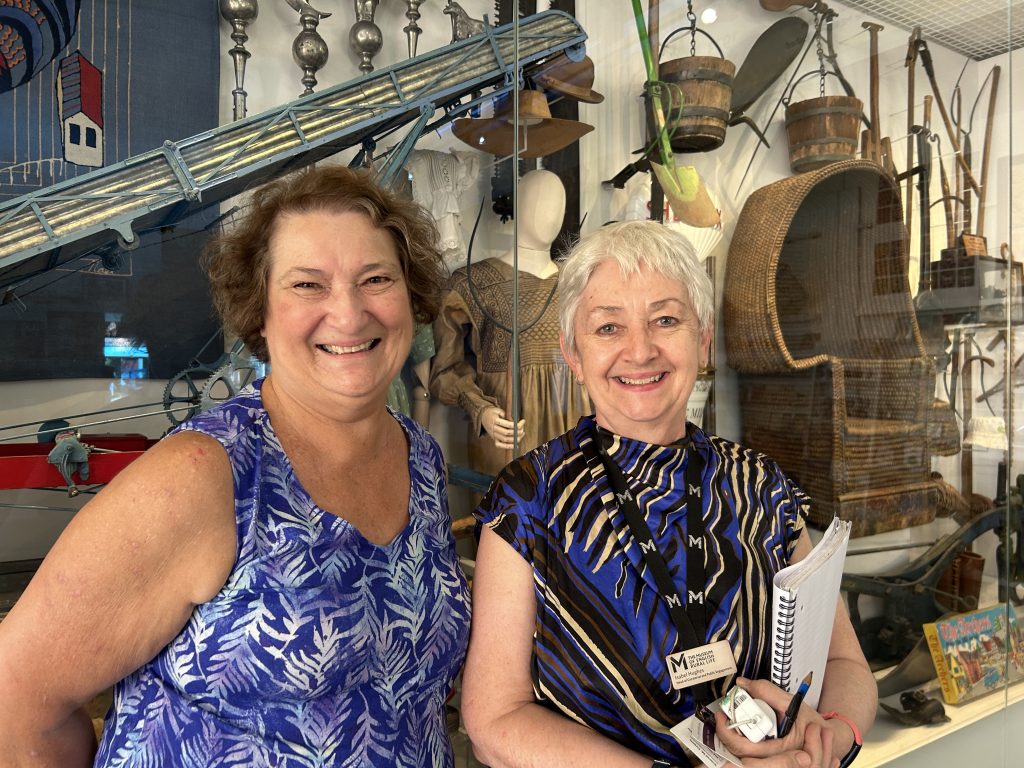
In a small, specialty museum, you’re more likely to engage with the people who work there, such as the ticket takers, guards, tour guides, cafeteria staff, and gift shop attendants. These conversations often lead to wonderful insights into the local culture.
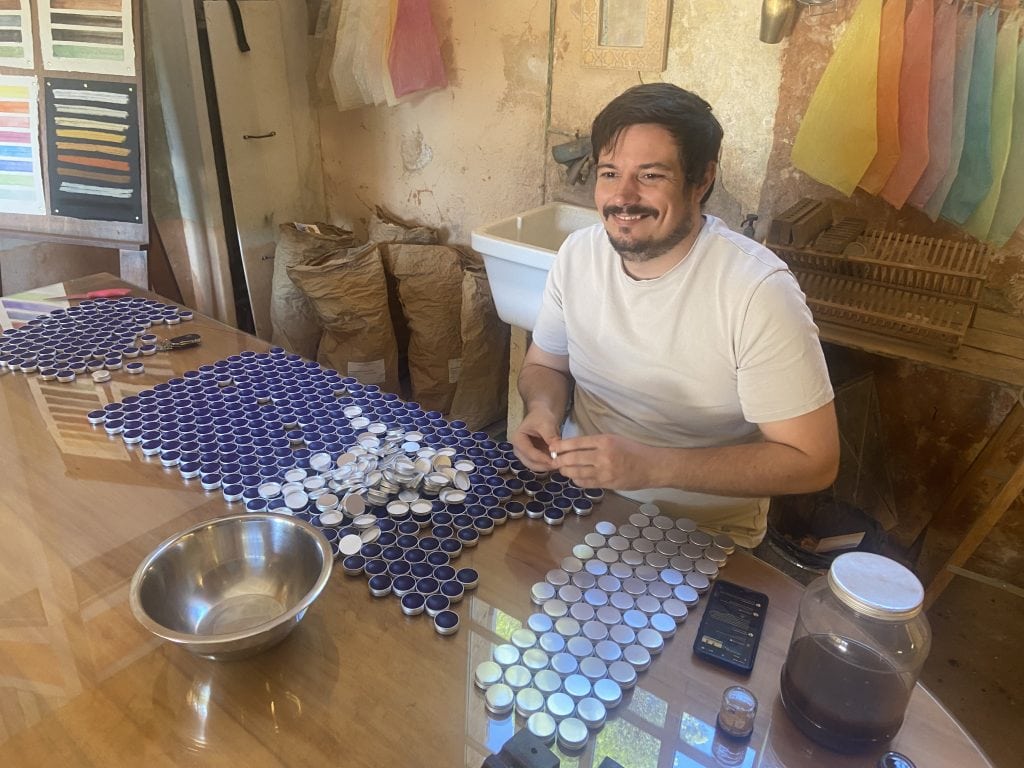
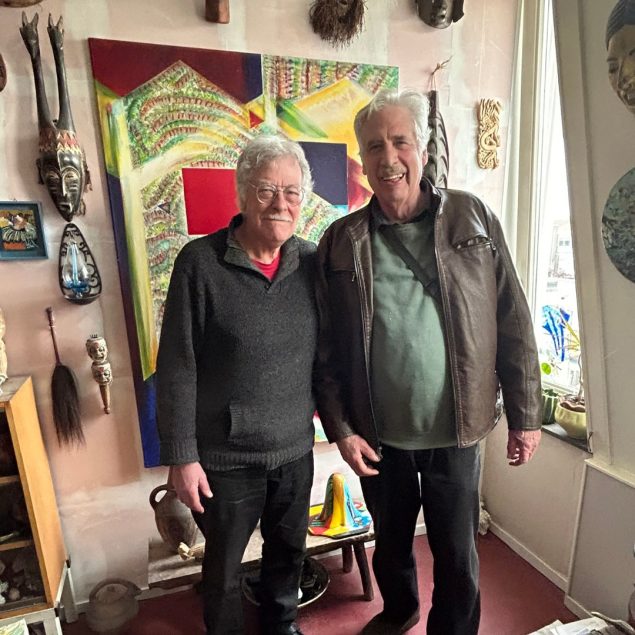
People who work at museums usually love what they do and often share stories you won’t find in guidebooks. The man in the photo above works at the Ochre Museum in Rousillon in the Luberon region of Provence.
Small museums make it easier to interact with knowledgeable, passionate staff.
Free or Almost Free
Small museums are particularly appealing if you’re on a budget. Many are free or reasonably-priced, while most major museums routinely charge $40 or more for admission. If a museum is free, consider leaving a donation. Small museums often operate on a shoestring, and the whole point of being a cultural traveler is to support culture!
Specialty Museums on Artsy Traveler
I have written a lot of posts about museums because, as mentioned earlier, I love them! In addition to the dedicated posts listed below, look for descriptions of museums I’ve visited in several of the posts accessible from the Destinations page.
- Explore The Ochre Museum in Colorful Roussillon
- Best Three Copenhagen Museums to Discover and Enjoy
- The Hague’s Best Museums: Mauritshuis and Escher in the Palace
- Best Tips for Visiting Beethoven House in Bonn
- Best of the Courtauld Gallery in London: A Treasure Trove for the Artsy Traveler
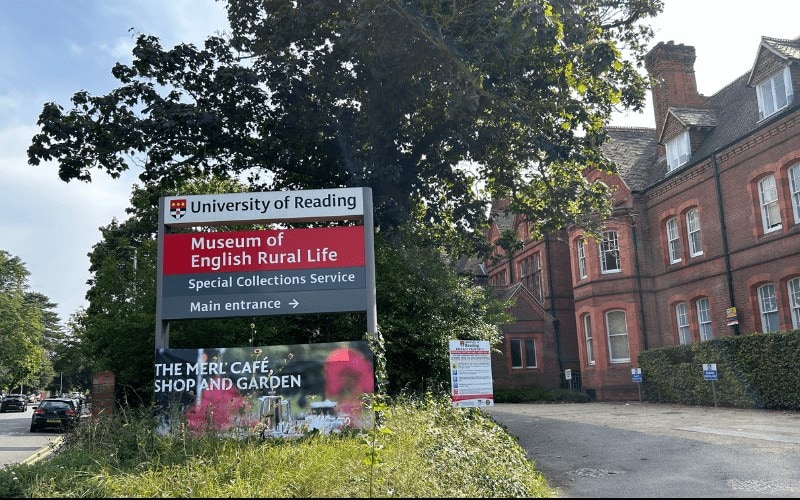
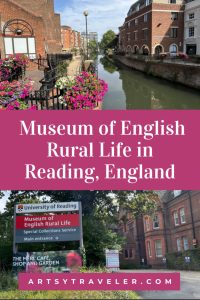
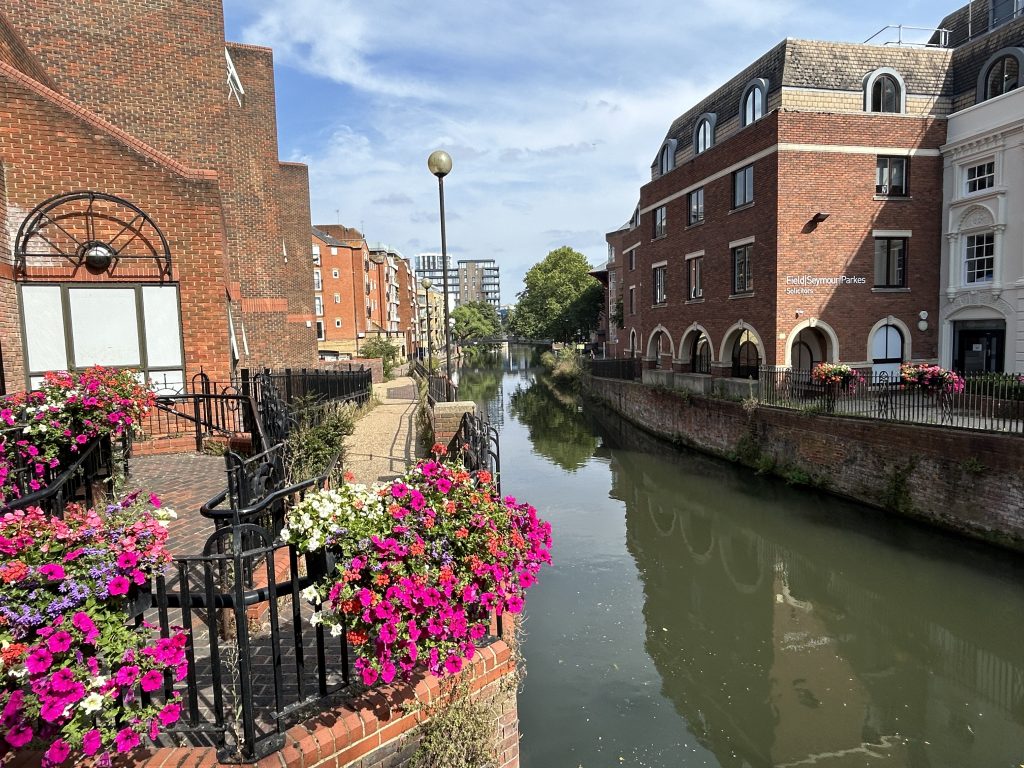
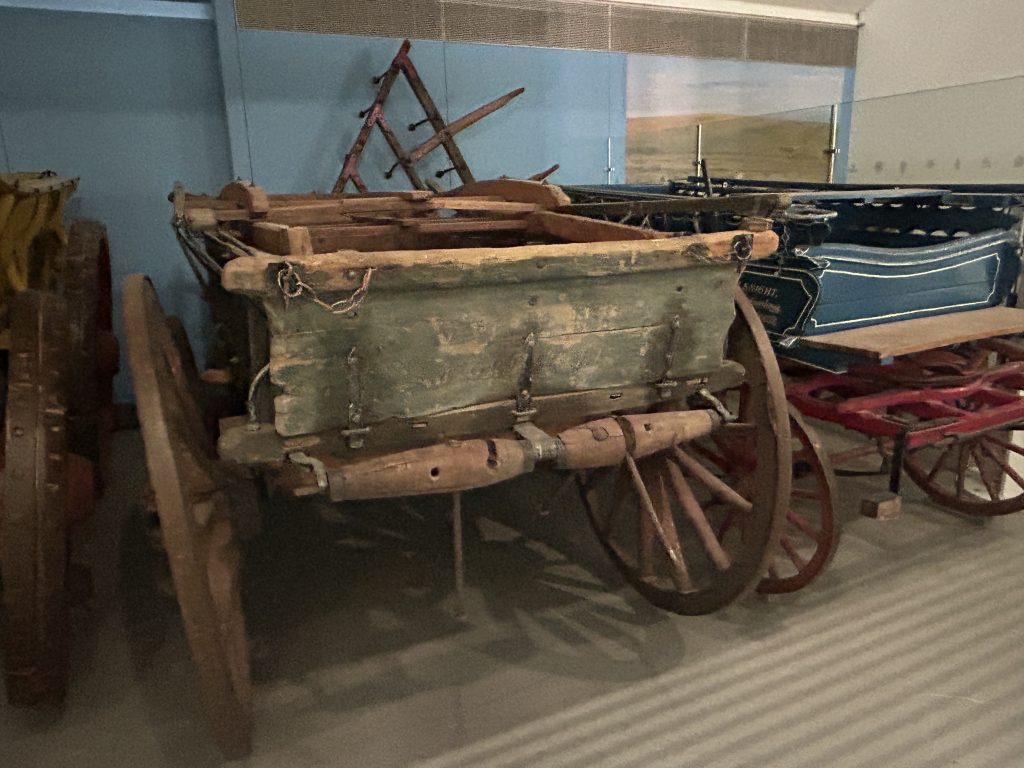
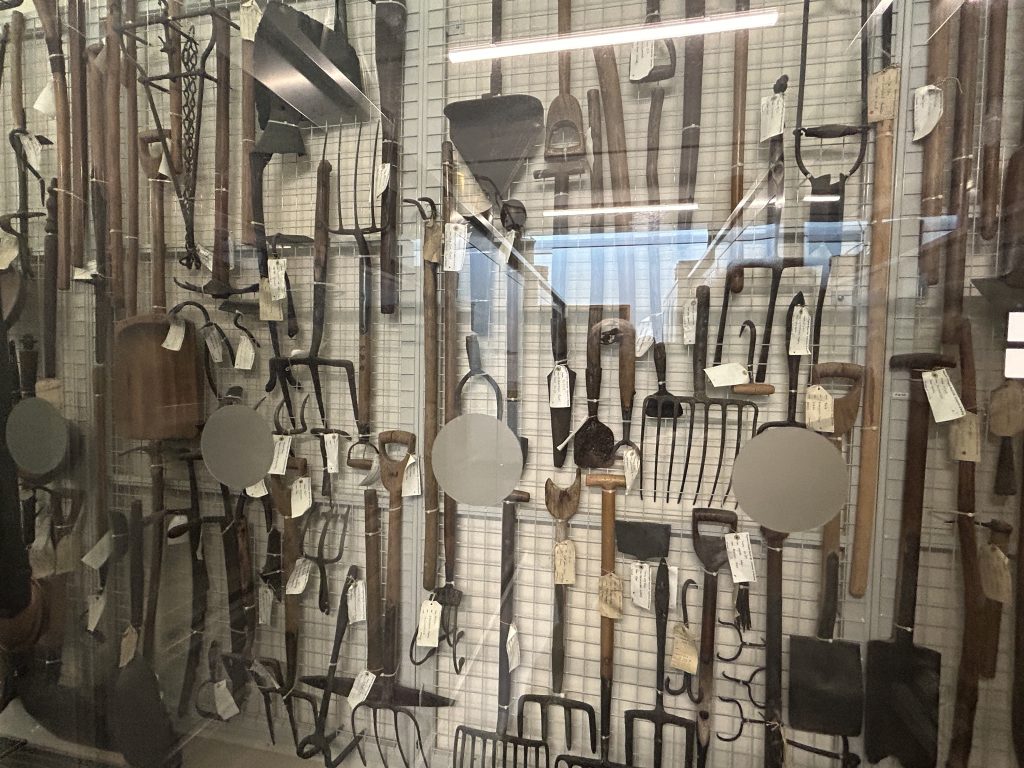
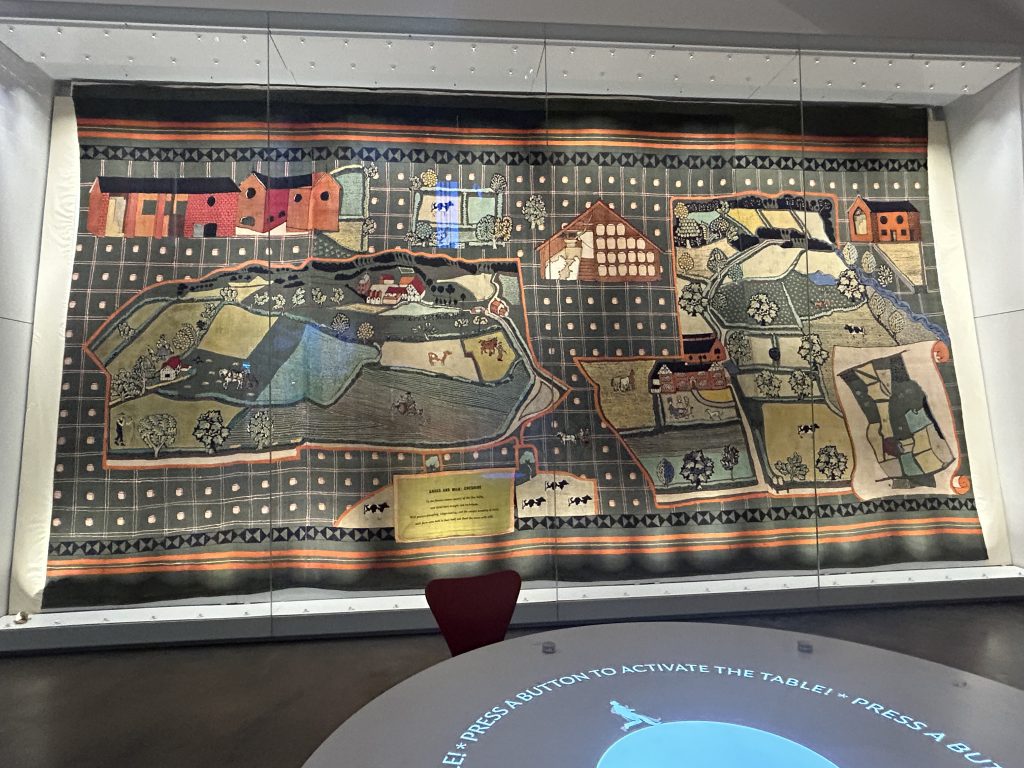
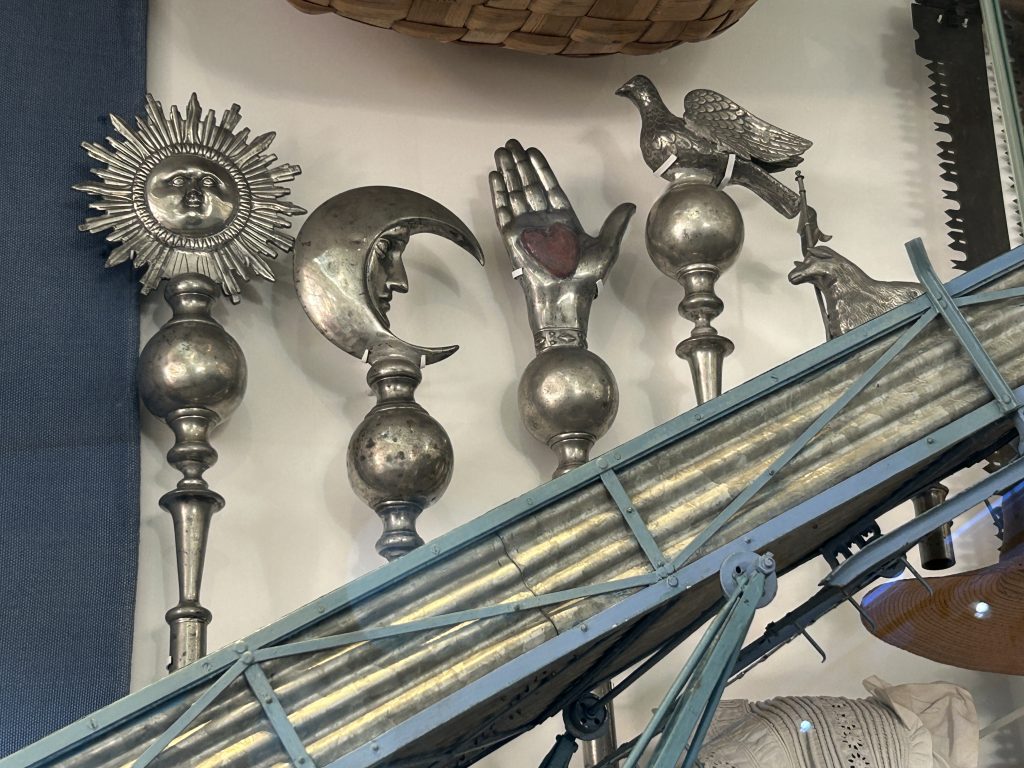
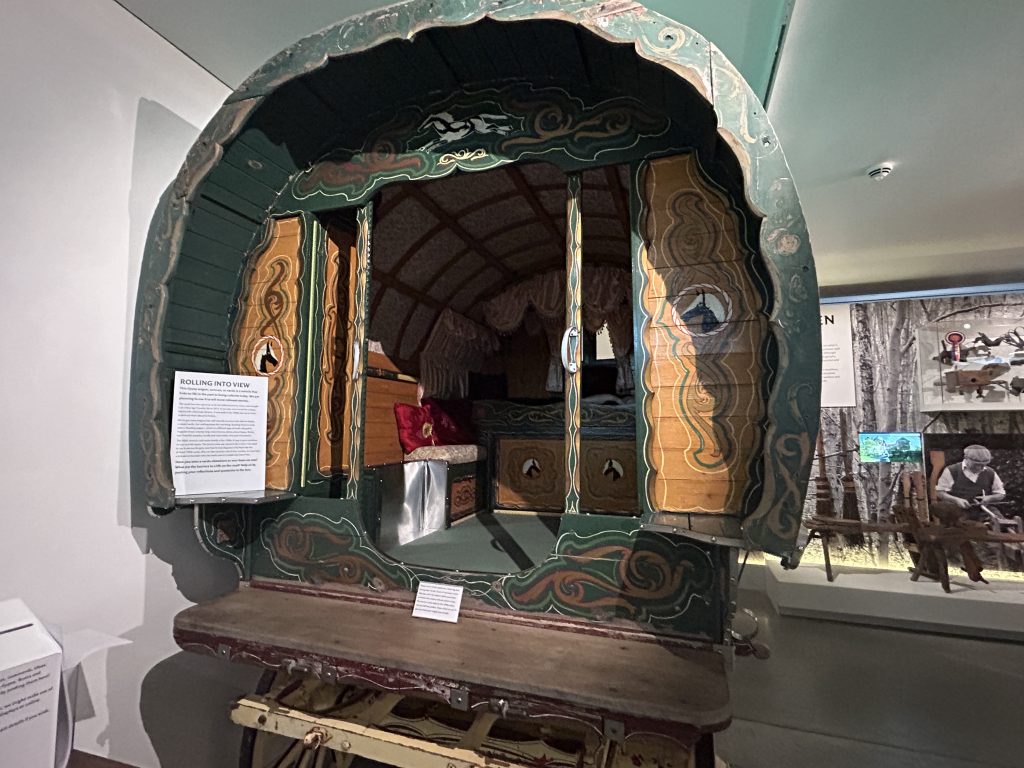
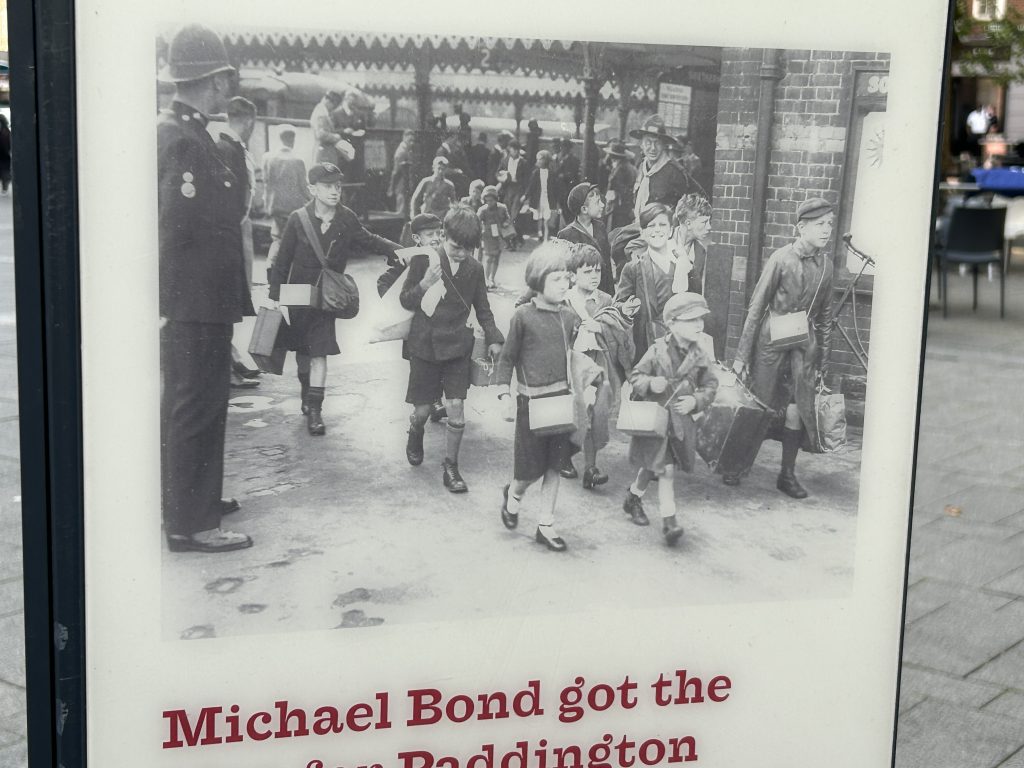
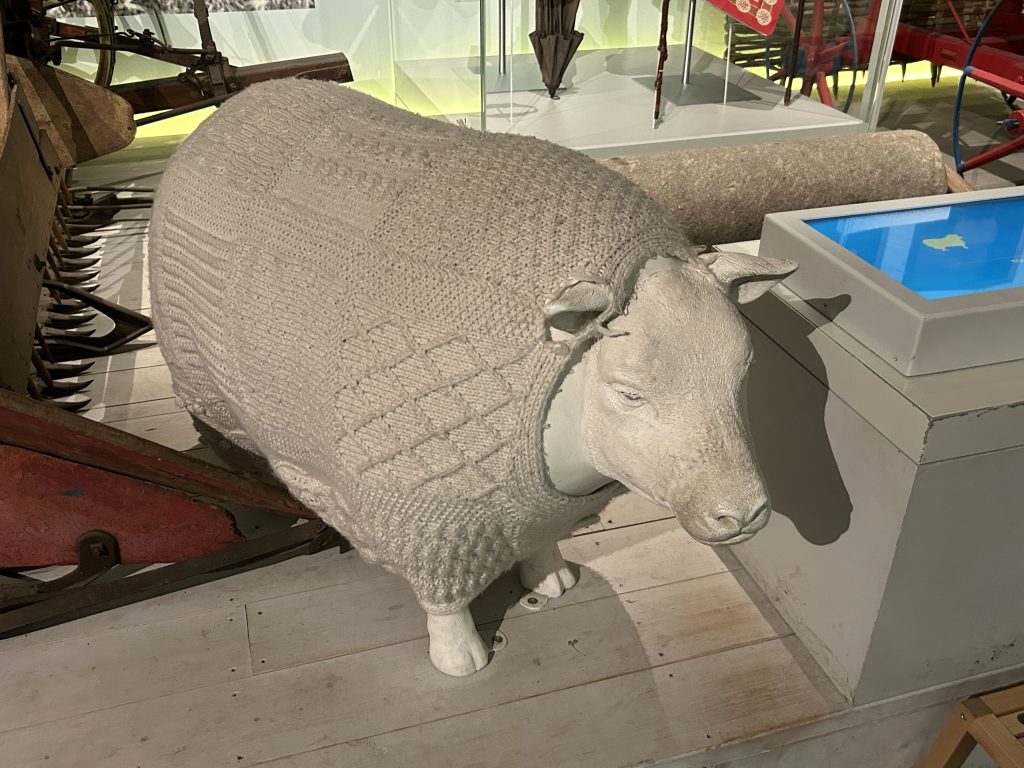
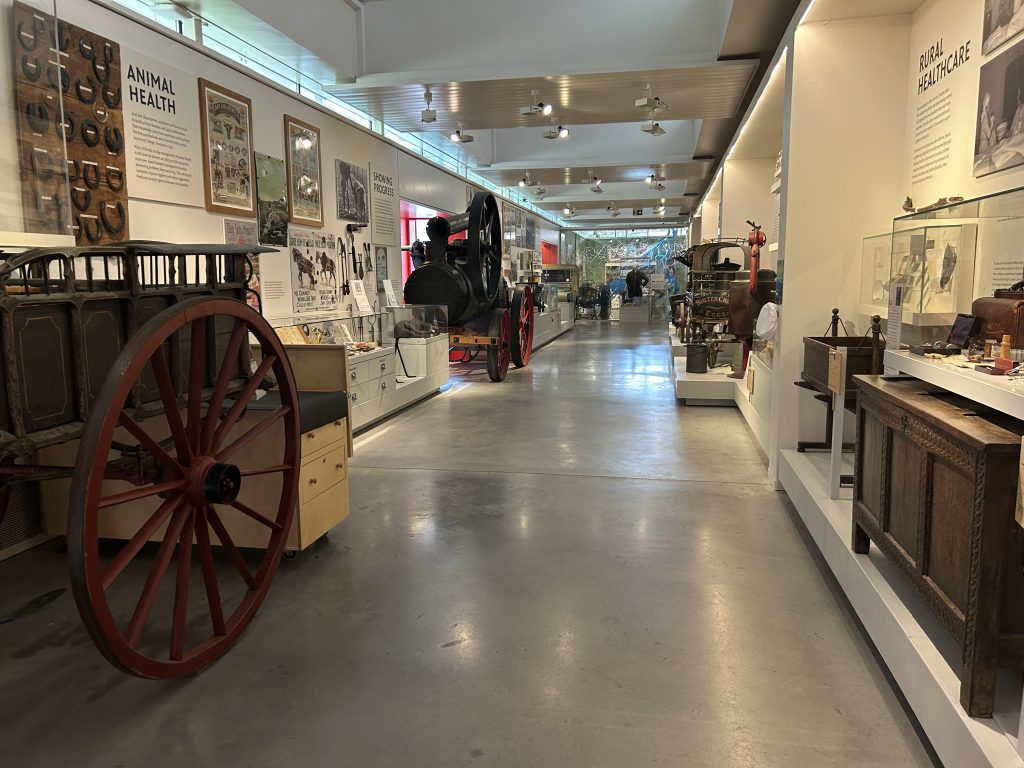
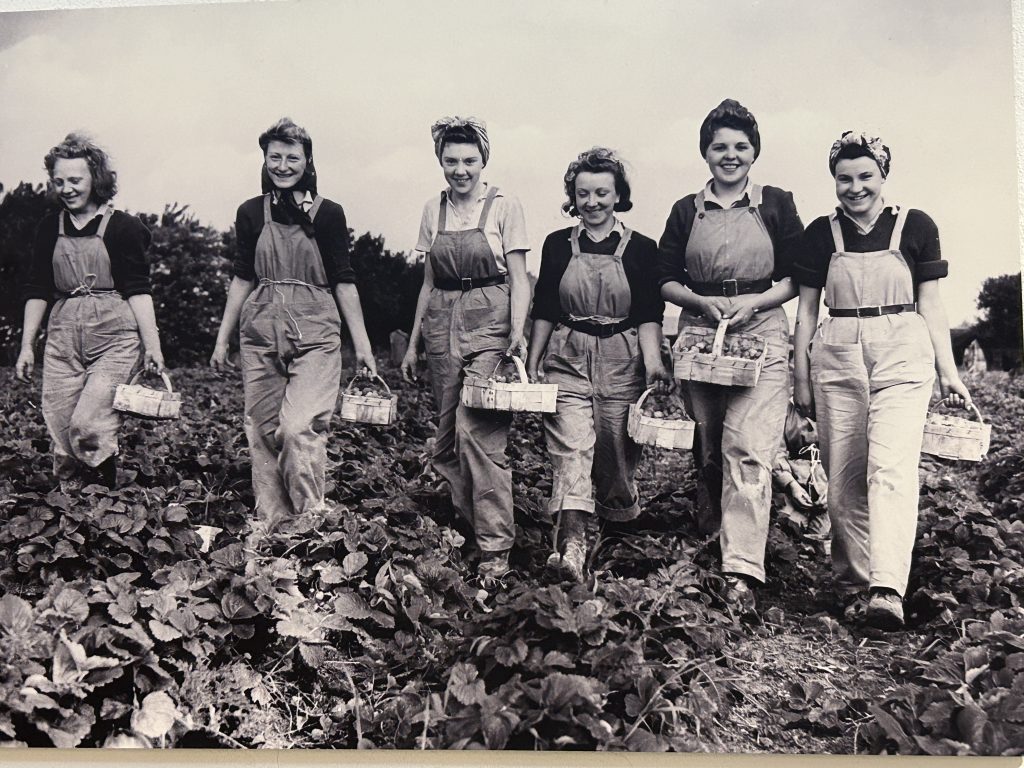
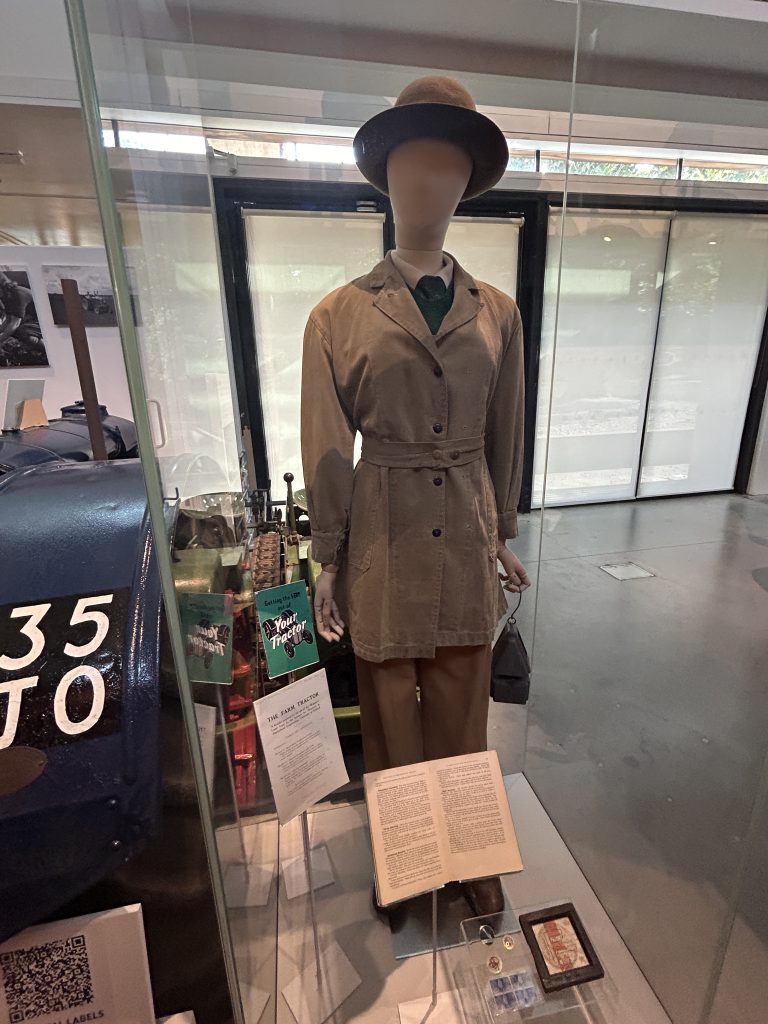
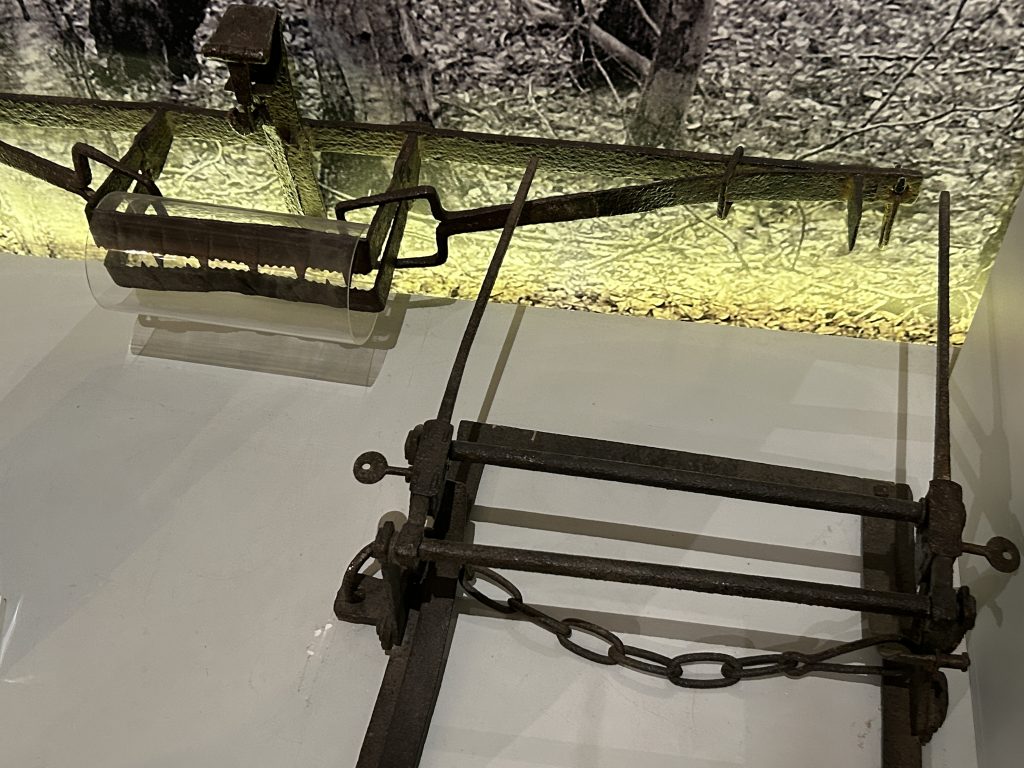
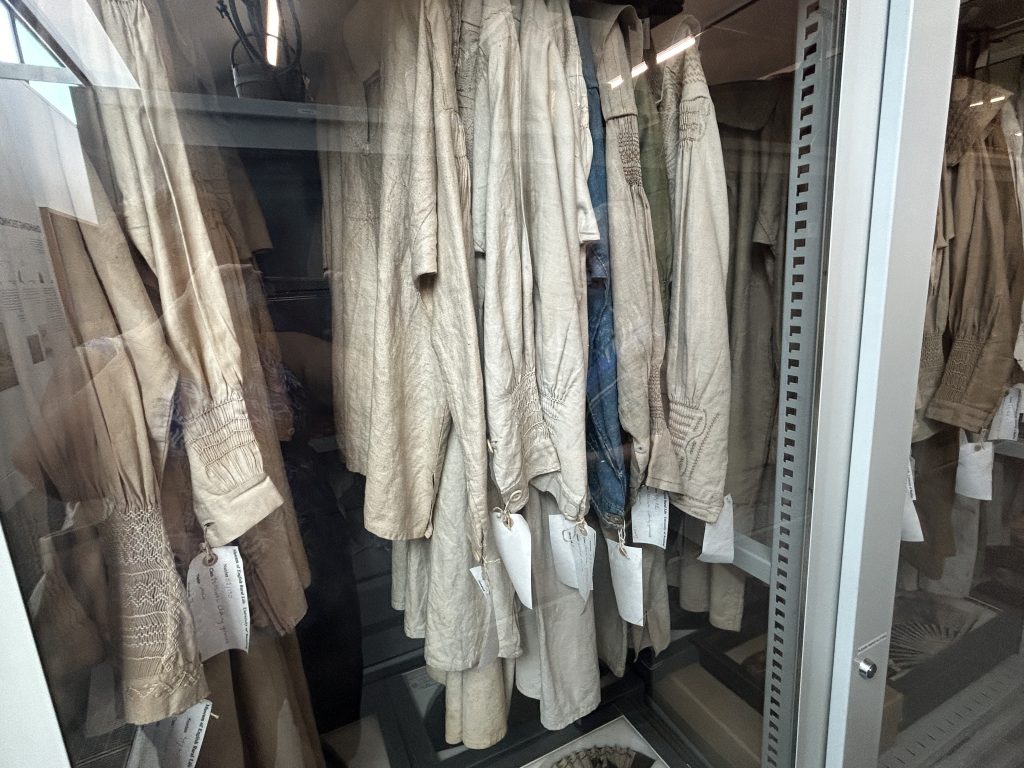
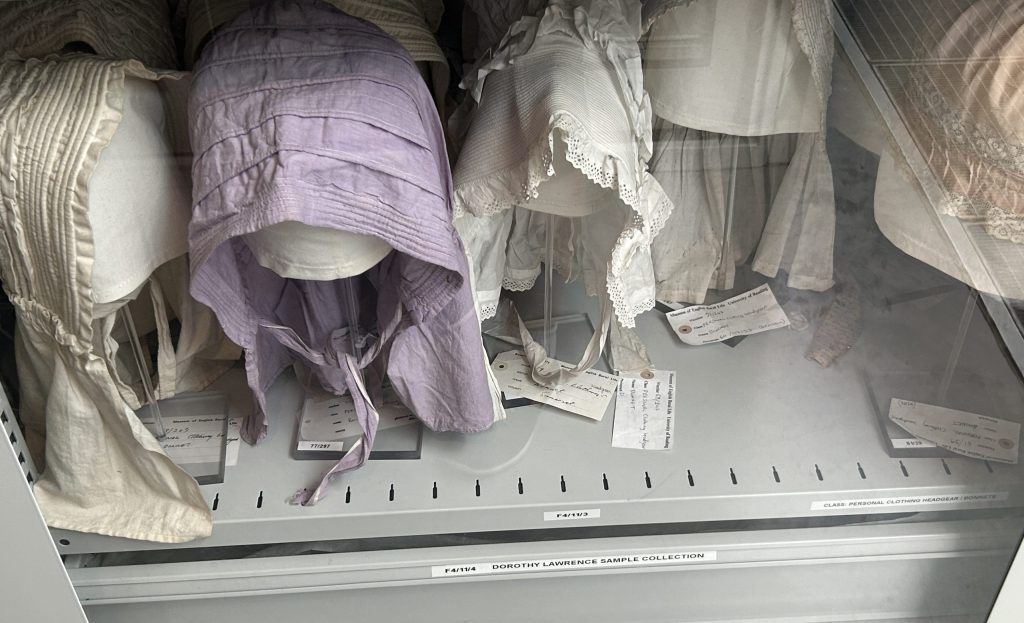
- Enjoying the Museum of English Rural Life in Reading, England
- Two Terrific Small Museums In Amsterdam You Should Visit
- UBC Museum of Anthropology in Vancouver: Why You Should Go!
- Paris for Art Lovers: Nine of the Best Small Museums in Paris
- Things to See at the Design Museum in London
- Discover Three Unique Museums in Arles
- Visit Rome’s Best Kept Literary Oasis: The Keats-Shelley House
- The Vancouver Museum & Granville Island: A Great Day Out
3. Find Special Exhibitions
Before you travel, check whether special exhibitions are being featured at the museums you’re planning to visit. You don’t want to arrive at a destination only to find you’ve missed an exhibition of work by one of your favorite artists by a day or two.
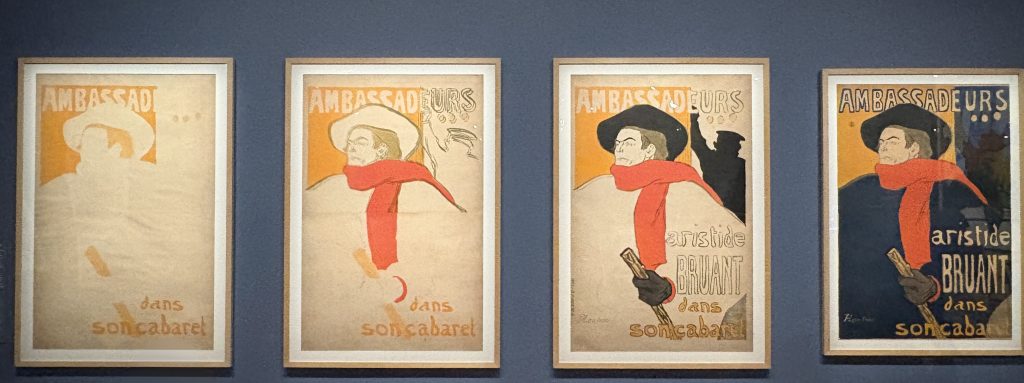
Special exhibitions often feature focused, thematic insights about a particular topic. For example, I recently toured an exhibition of posters at the Musée d’Orsay in Paris that provided a fascinating look at the role that posters, some created by Toulouse-Lautrec and other famous artists of the time, played in advertising events in Belle Époque Paris.
4. Take a Craft Workshop
One of the best ways to get a taste for a particular craft is to take a workshop offered by a local artisan. These hands-on activities are core elements of immersive culture travel and allow you to connect with creative practices in a personal, memorable way.
Not only will you learn a new skill that may become a new hobby, you’ll also engage with other participants and the workshop leader.
You can find craft workshops on tour sites such as GetYourGuide and Viator, or via a Google search, such as “indigenous craft workshops Vancouver” or “jewelry-making workshops Spain” or even “craft workshops [destination].”
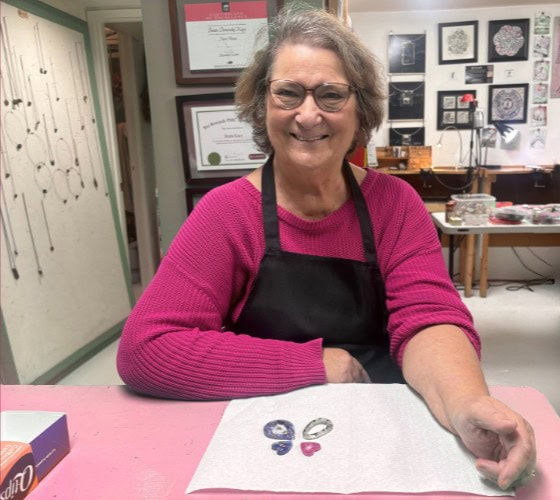
Be flexible and open to new ideas. You never know what you might learn! Here are some pretty cool-looking craft workshops on GetYourGuide:
5. Go to Local Concerts and Performances
Music and performance are living expressions of a country’s culture, and attending local concerts is one of the most rewarding parts of arts and culture travel.
Some of my best concert experiences have been unplanned, resulting from seeing a poster taped to a wall or a brochure at my hotel reception.
In Siena, I attended a concert featuring a singer and a pianist after picking up a brochure at my hotel.
While visiting Leipzig, I spent just $30 for a 3-hour recital by an incredible classical pianist.
In Rome, I noticed a poster for a Beethoven concert and ended up at a venue just outside the city where pretty much everyone in the audience was a local.
How to Find Concerts
Before you embark on your trip, search websites such as Classictic, or Google “concerts in [destination]” and check schedules. I’ve seen some amazing concerts at world-class venues such as the Concertgebouw in Amsterdam and the Elbphilharmonie in Hamburg because I searched online and purchased tickets before leaving home.
When you arrive at your destination hotel, check the reception area for brochures about tourist concerts. Yes, they can be touristy, but good music is good music. I’ve seen some marvelous performances at so-called “tourist” concerts such as the Great Opera Arias Concert by Opera Lirica di Roma.
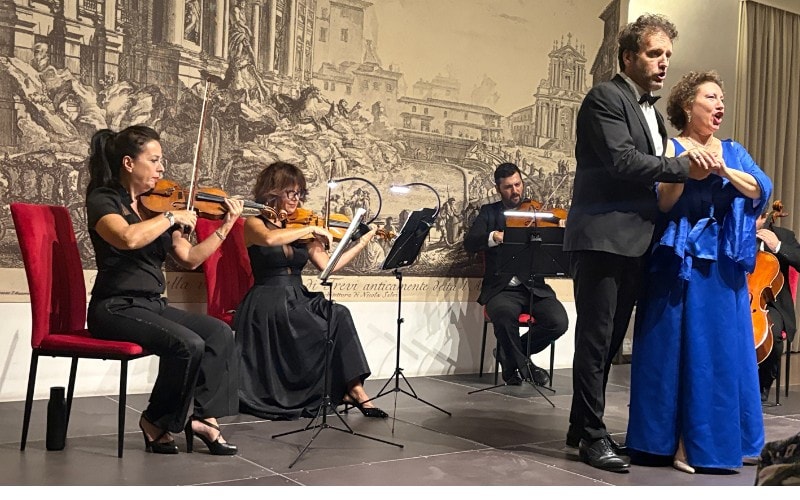
And always watch out for posters advertising local concerts. Often these are held in churches and intimate venues where you’ll mingle with the locals.
Again, keep an open mind and stay flexible, and you may end up attending a concert you’ll remember fondly for years, such as the concert featuring medieval-style instruments I attended at a castle on the Rhine. At that concert, half the audience got up and danced. Of course, I joined them!
Here are some options for concerts specific to a particular destination (like waltzes in Vienna) on GetYourGuide:
6. Seek Out Theater and Dance Performances
Theater and dance offer powerful windows into a destination’s artistic traditions and storytelling culture.
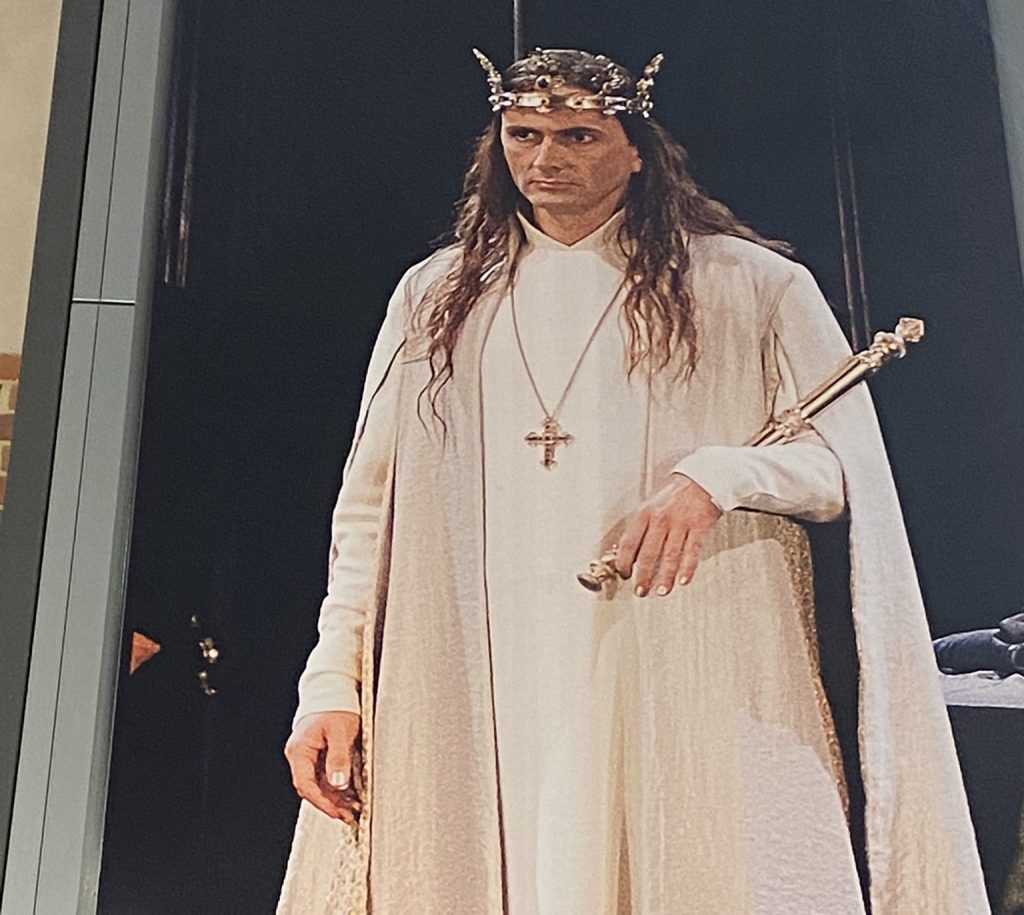
If possible, book ahead for major productions such as the memorable and sold-out performance of Hamlet starring David Tennant that I saw in Stratford-upon-Avon several years ago.
Last Minute Tickets
If you arrive in a city without pre-booked tickets, don’t worry! You can often get last-minute tickets on the day of the performance for plays and musicals that have been running for some time.
In London, go to the theater or check the TKTS booth in Leicester Square. In New York, check out the TKTS booth in Times Square.
Community and Local Theater
Look for posters advertising community plays or smaller productions which often provide memorably rich cultural travel experiences.
Where to Find Dance Performances
Dance performances also bring you closer to the local culture.
In Seville, check out a flamenco performance.
In Athens, don’t miss the folk-dance performance at the Dora Stratou Theatre on Philopappos Hill opposite the Acropolis.
GetYourGuide advertises tickets to popular local dance performances:
7. Attend an Arts Festival
Festivals—literary, art, film, theater or music—offer some of the most dynamic and memorable experiences in cultural tourism. They gather locals, artists, and visitors for days of creativity and celebration.
What are your interests?
- If books are your passion, attend a literary festival such as the Vancouver Writers Fest in my hometown.
- Music lovers will find dozens of music festivals to choose from including Bachfest Leipzig in Germany and Granada Festival in Spain.
- Theater buffs are spoiled for choice with festivals such as the Edinburgh International Festival in Scotland.
- Film lovers will be in heaven at the Toronto International Film Festival in Canada and the Cannes Film Festival (can you say beautiful people?).
- Art afficianados seek out festivals such as the Venice Bienniale.
Attending a festival dedicated to one of your interests is a great way to meet fellow enthusiasts.
When planning your itinerary, find out which festivals are on and buy your tickets in advance.
8. Go on an Artsy Retreat
If you’re a practitioner yourself (writer, artist, dancer, musician, etc.), then consider combining a trip with a week or so at an arts retreat. You can choose from two kinds: structured and unstructured.
Structured Retreats
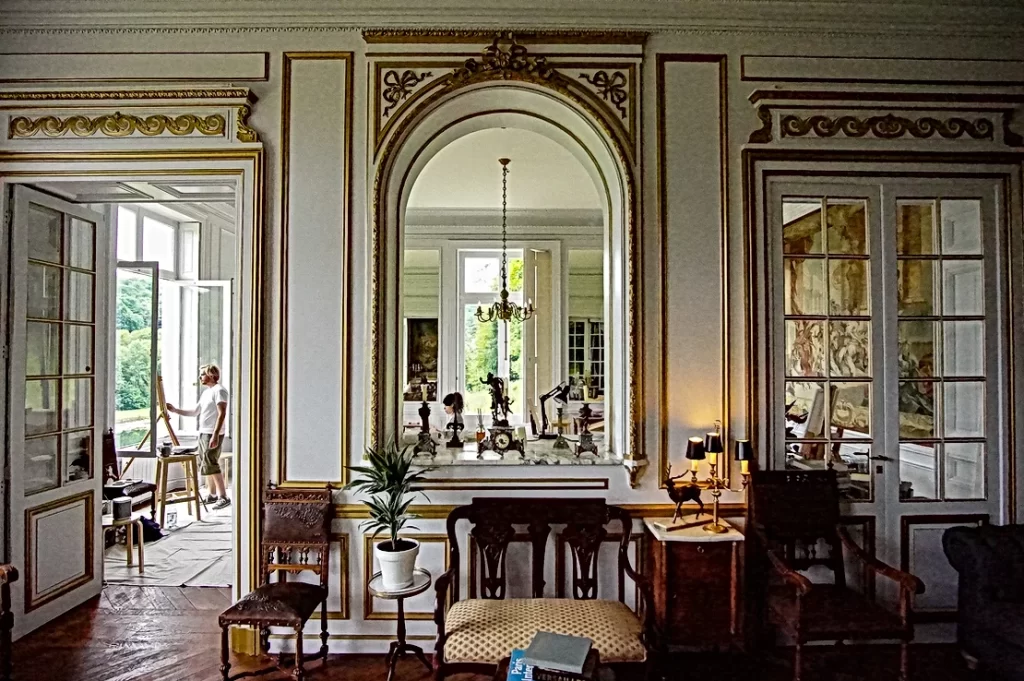
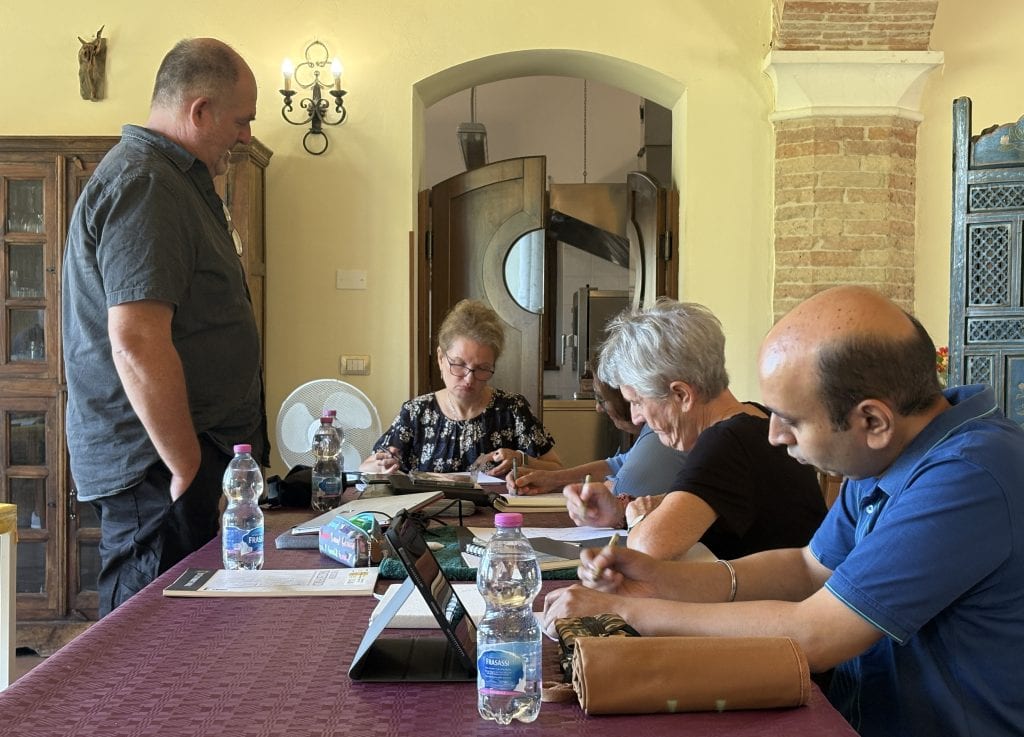
At a structured retreat, you join a group to learn from a specialist who leads you in various activities. Such retreats often include non-art activities such as tours of local sites and special meals. I recently spent a few days at an artist retreat organized by Italiana Tours. Australian artist Rod Moore taught sketching workshops for part of each day and led the group on sketching outings.
Unstructured Retreats
In an unstructured retreat, you are provided with accommodation and sometimes meals and can work on your own projects. The retreat may offer optional workshops and mentoring programs. I spent a week at an unstructured retreat in Tuscany where I worked on a novel while my husband, who is a painter, completed an art project.
Both types provide beautiful, slow, immersive cultural experiences.
9. Attend Art Openings
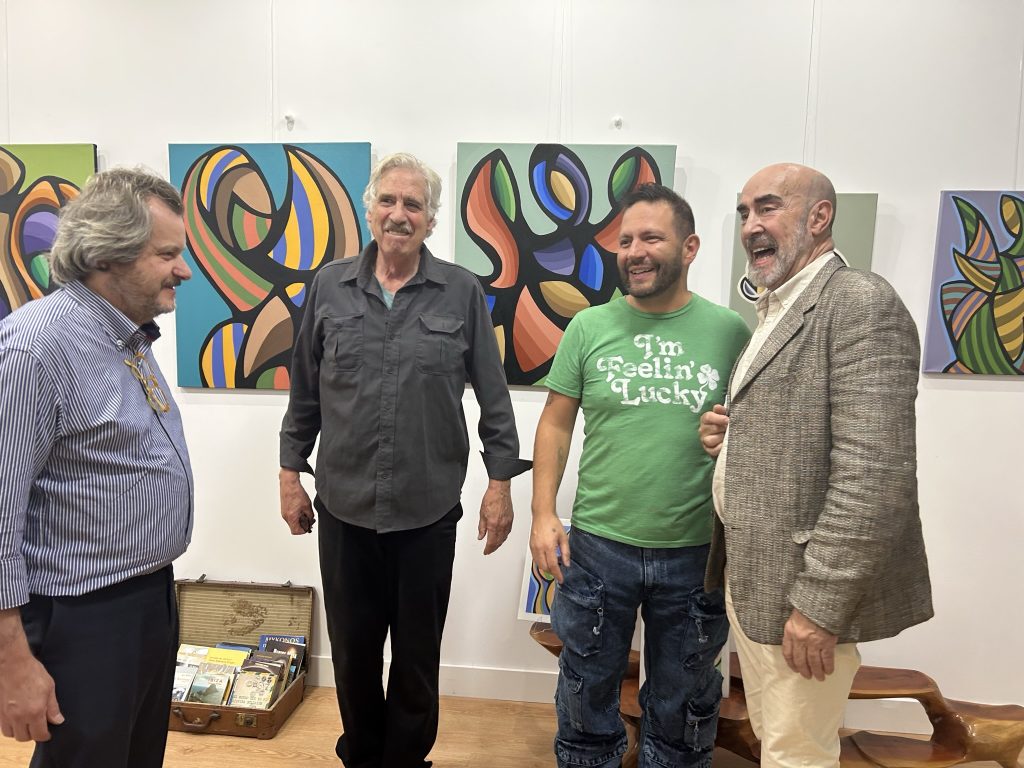
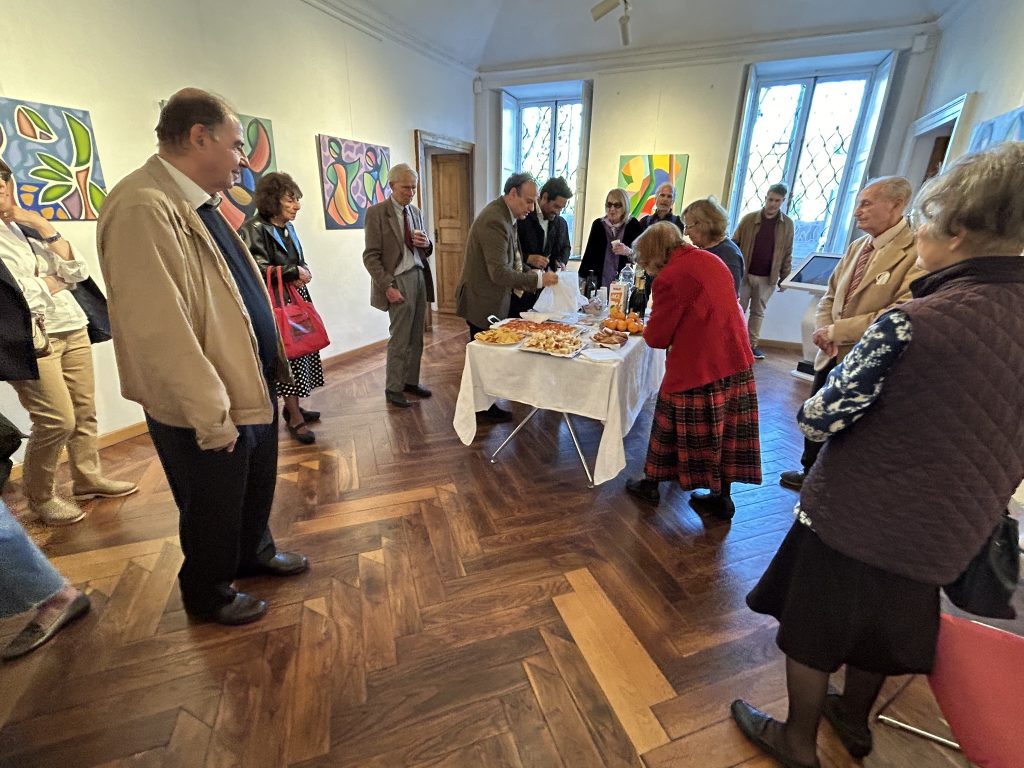
Art openings are vibrant and social way to experience contemporary local culture. Search for “art openings [destination]” and simply show up. Unless an event is marked as “Private,” you’ll be welcomed, and may even get a free glass of wine.
You’ll meet artists, art lovers and locals and gain firsthand insight into a city’s creative community.
10. Take a Cooking Class or Food Tour
Food is culture, and cooking classes and food tours are foundational to immersive cultural travel.
You’ll learn local culinary techniques, visit markets you might otherwise miss, and gain cultural insights from local chefs and guides. These experiences often become trip highlights.
Search for “cooking class [destination]” or “food tour [destination]” to find options. With a local guide, you’ll discover all sorts of tasty treats you may miss if you’re just dining in restaurants.
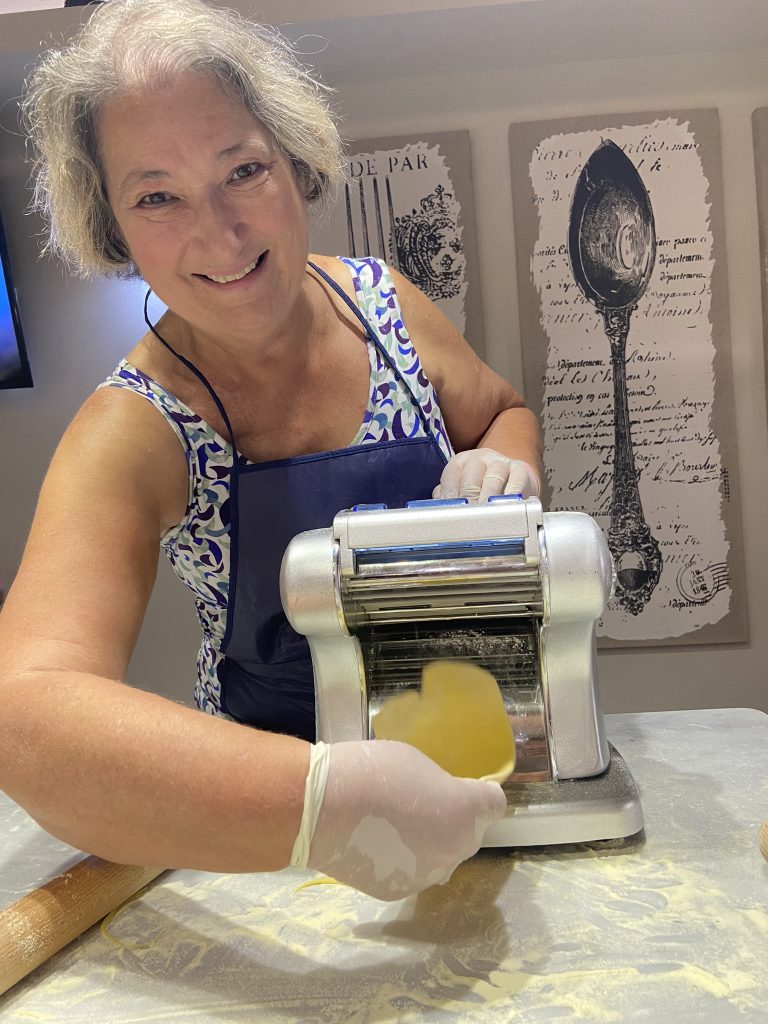
For posts about cooking classes, check out the Creative Activities hub on Artsy Traveler.
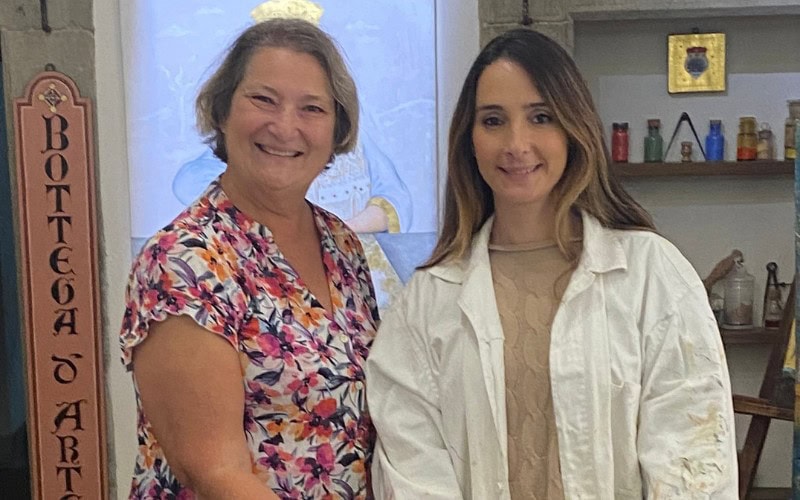
11. Meet Local Artisans
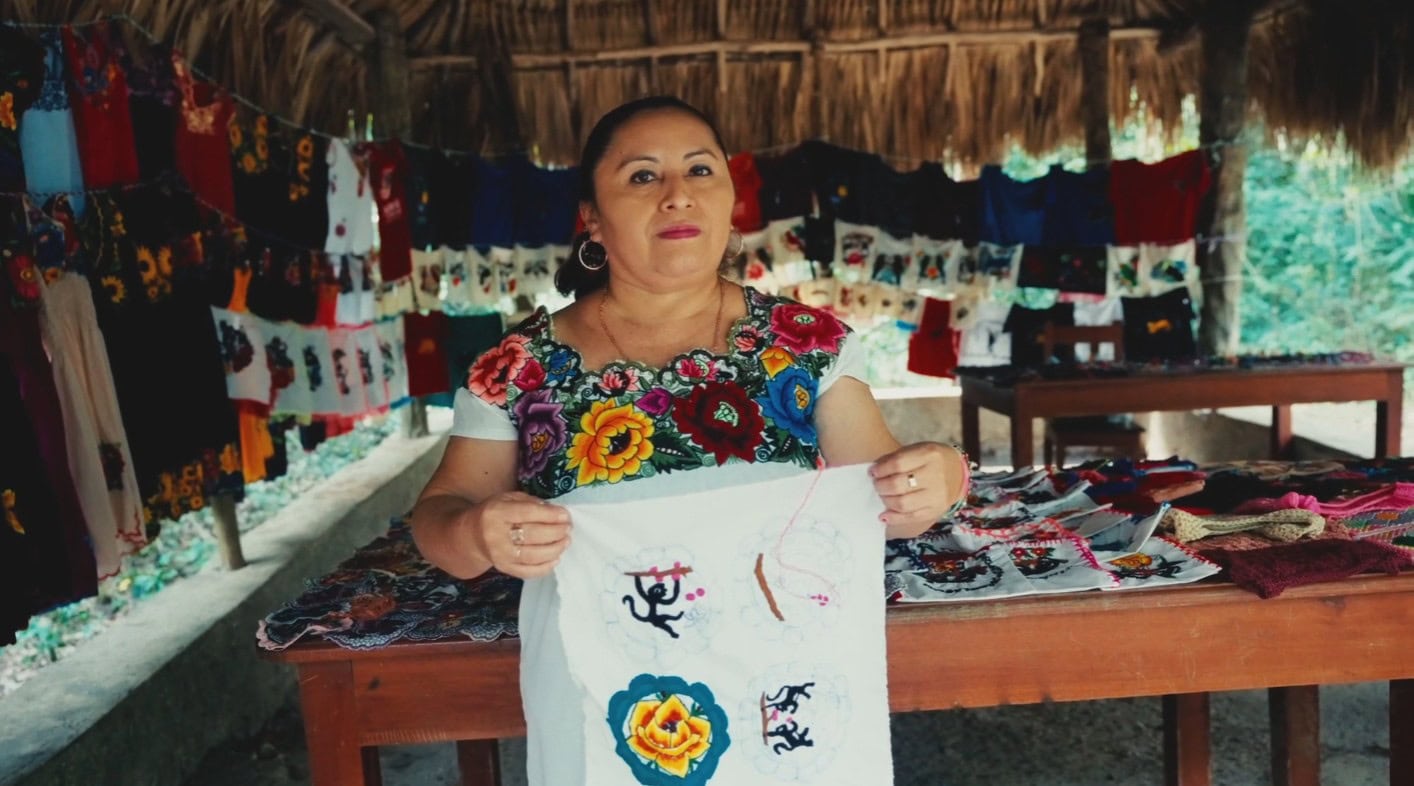
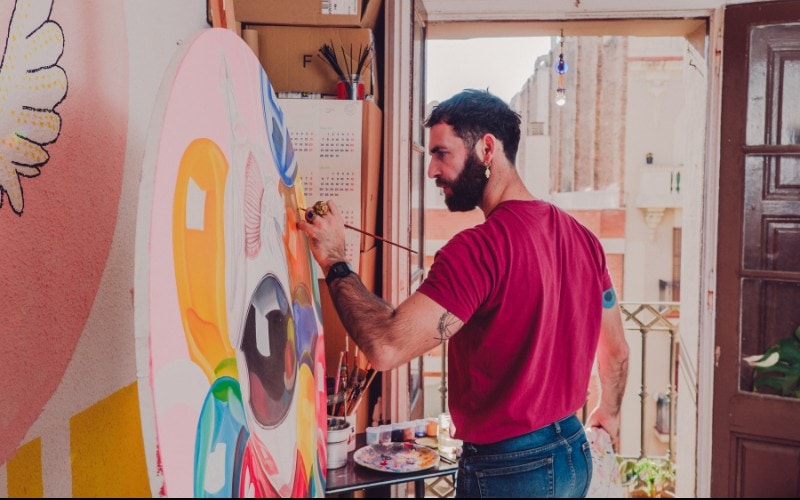
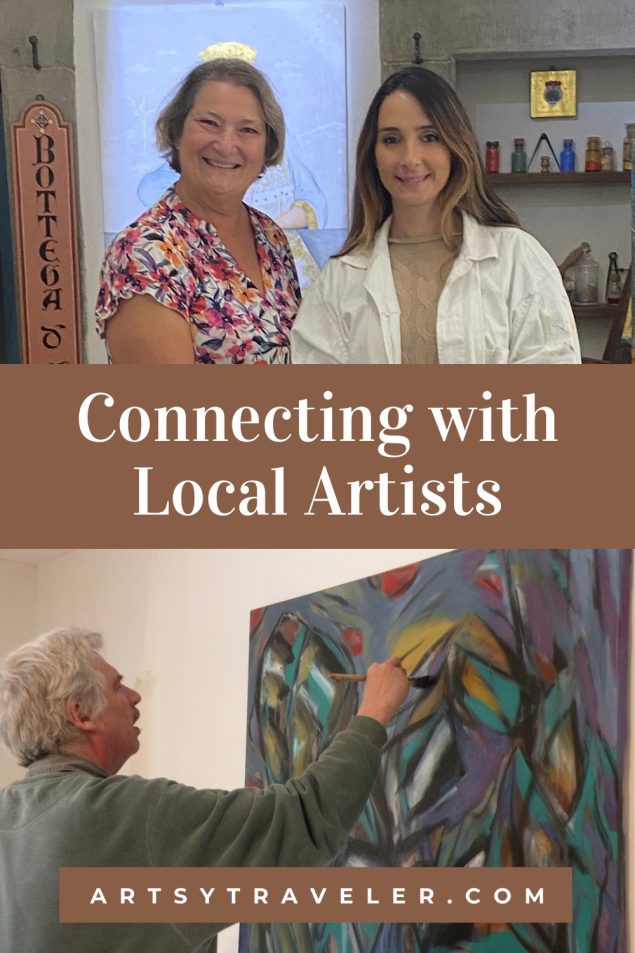
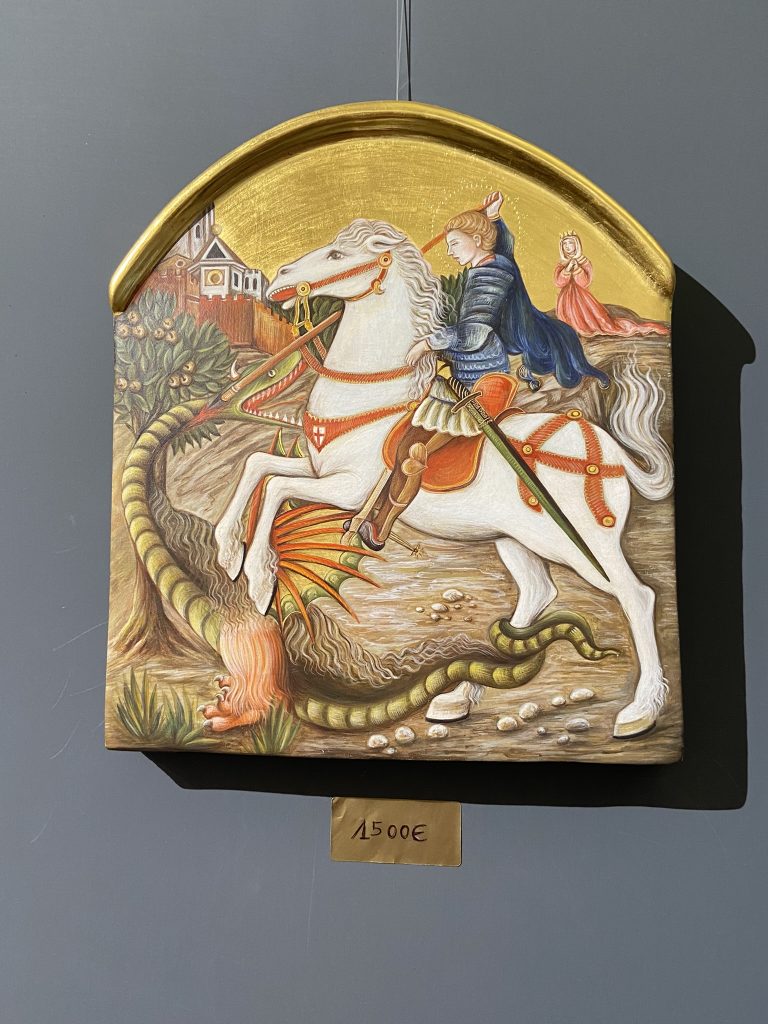
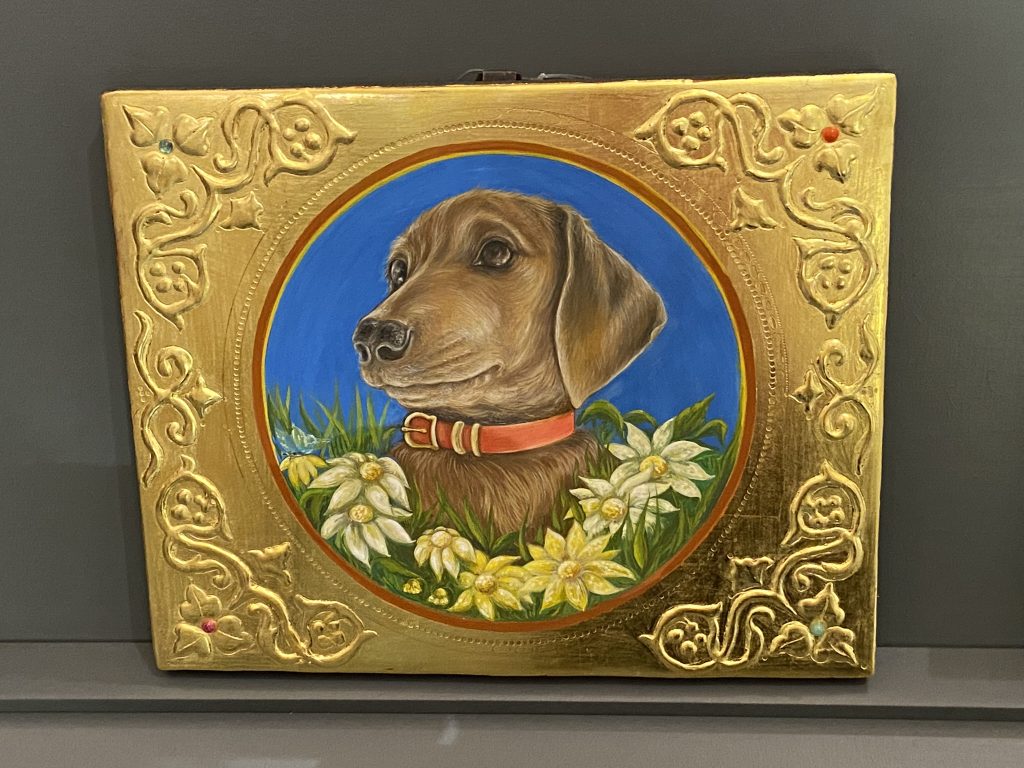
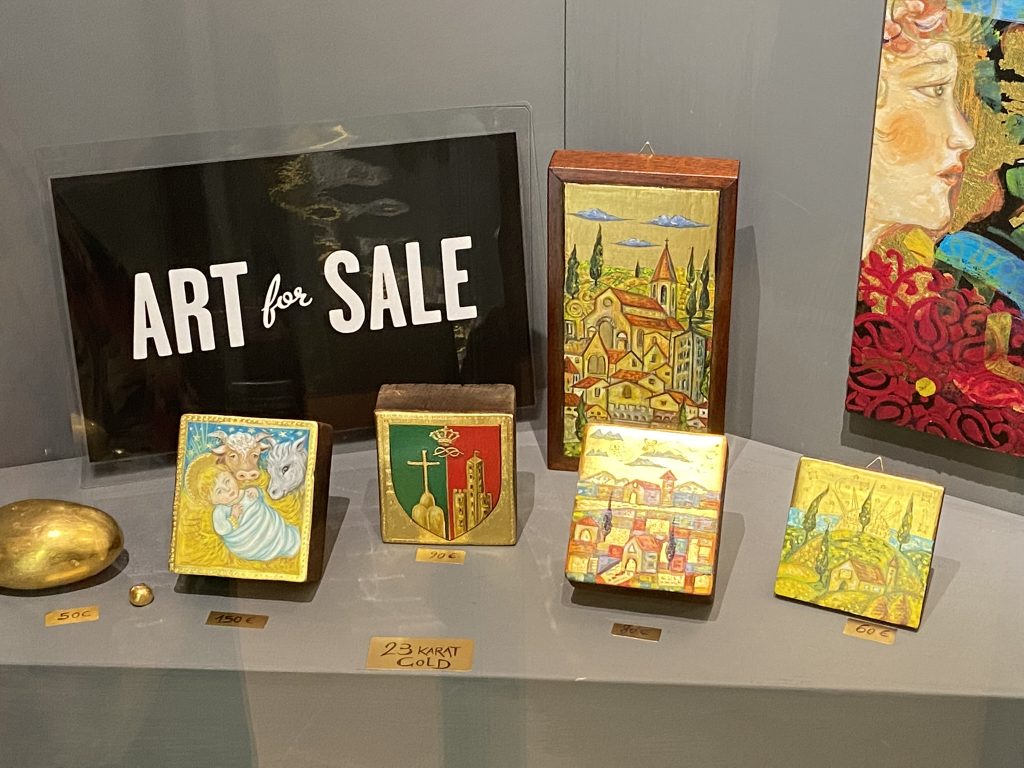
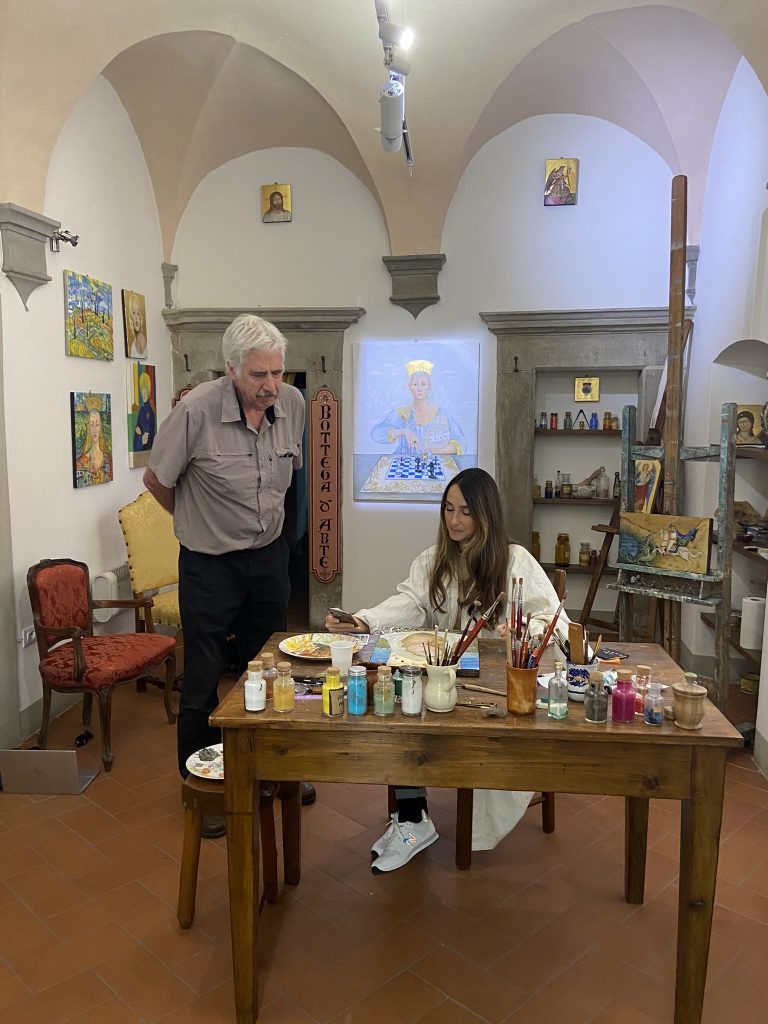
Skip the souvenir shops and seek out shops where local artists and artisans are at work. Meeting makers and learning about their techniques is one of the most genuine forms of authentic cultural travel.
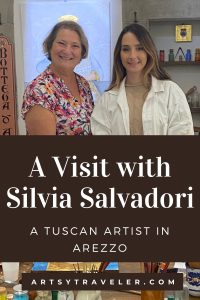
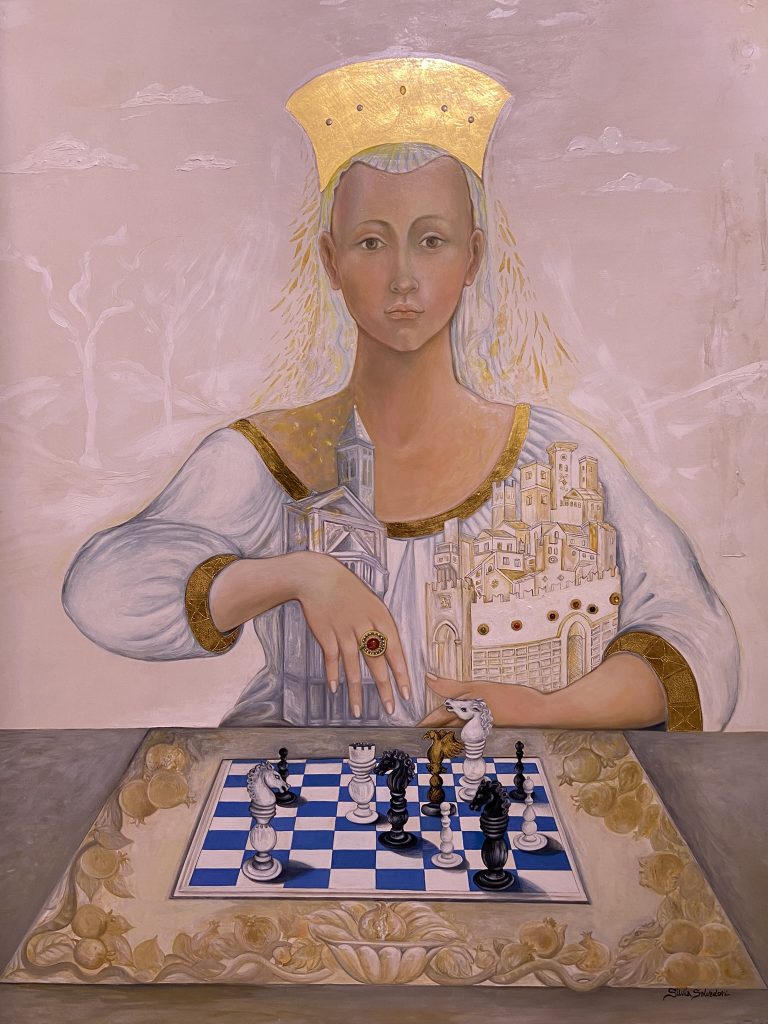
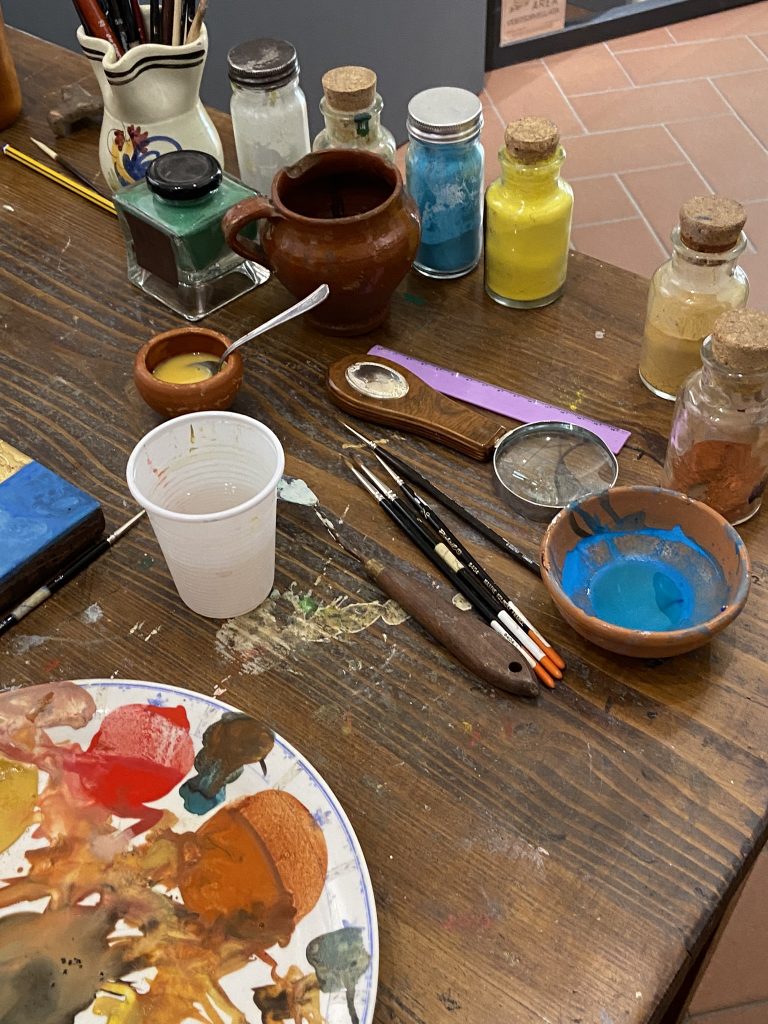
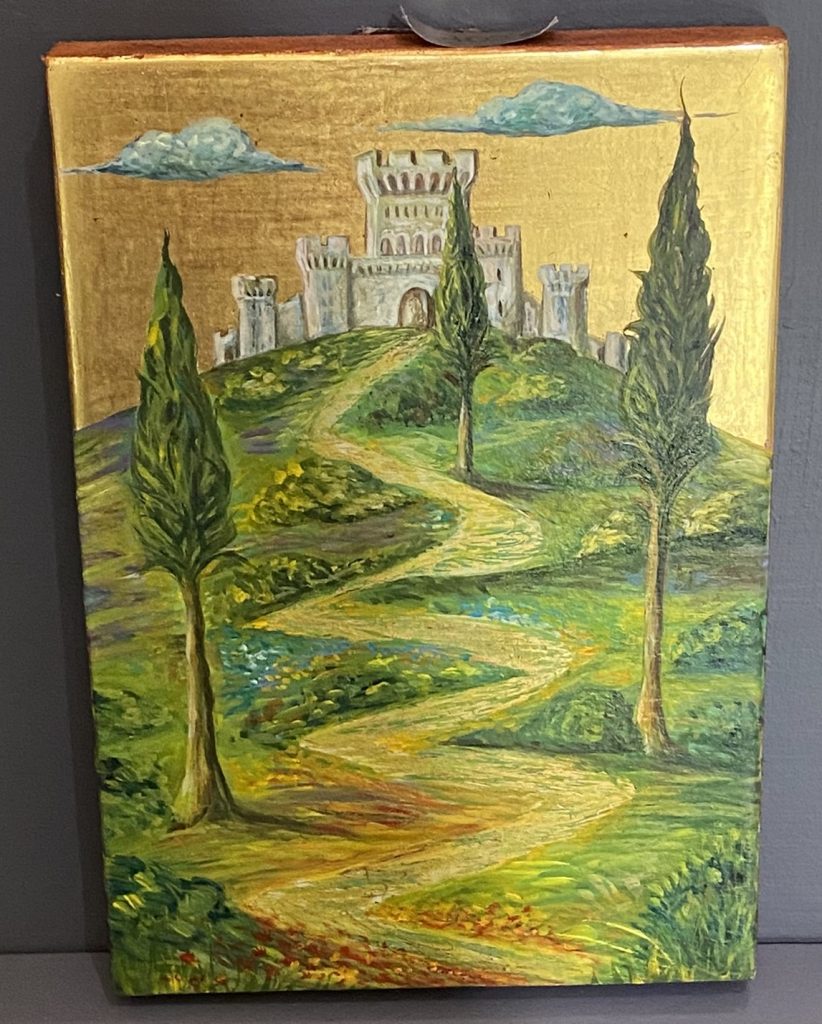
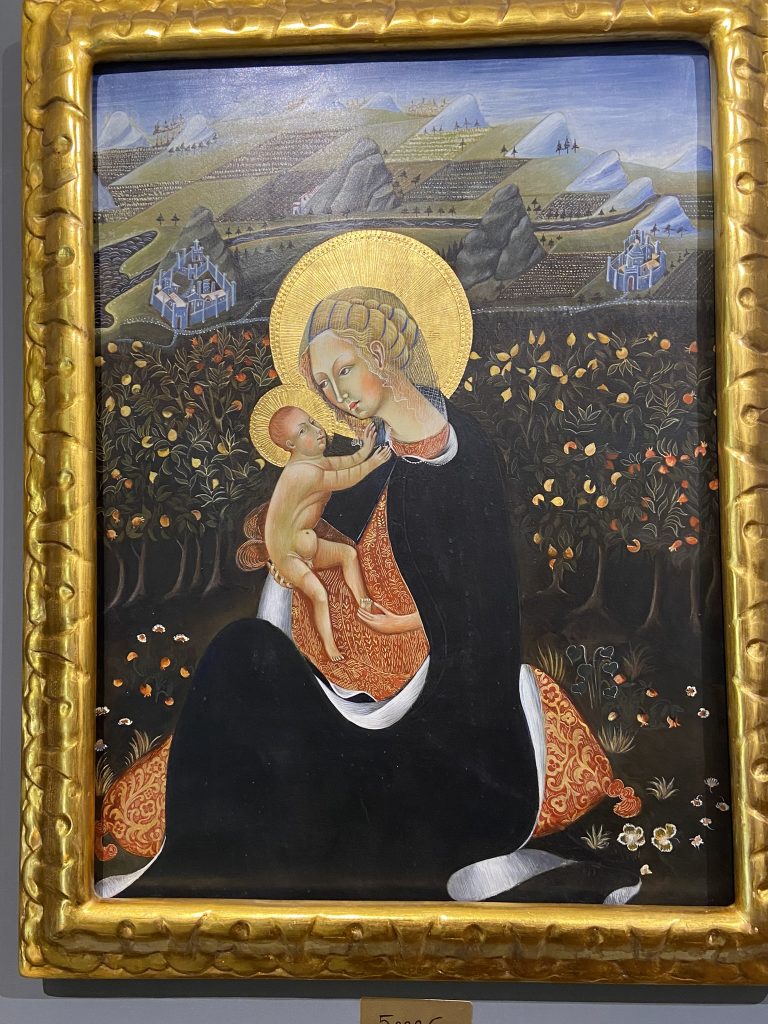
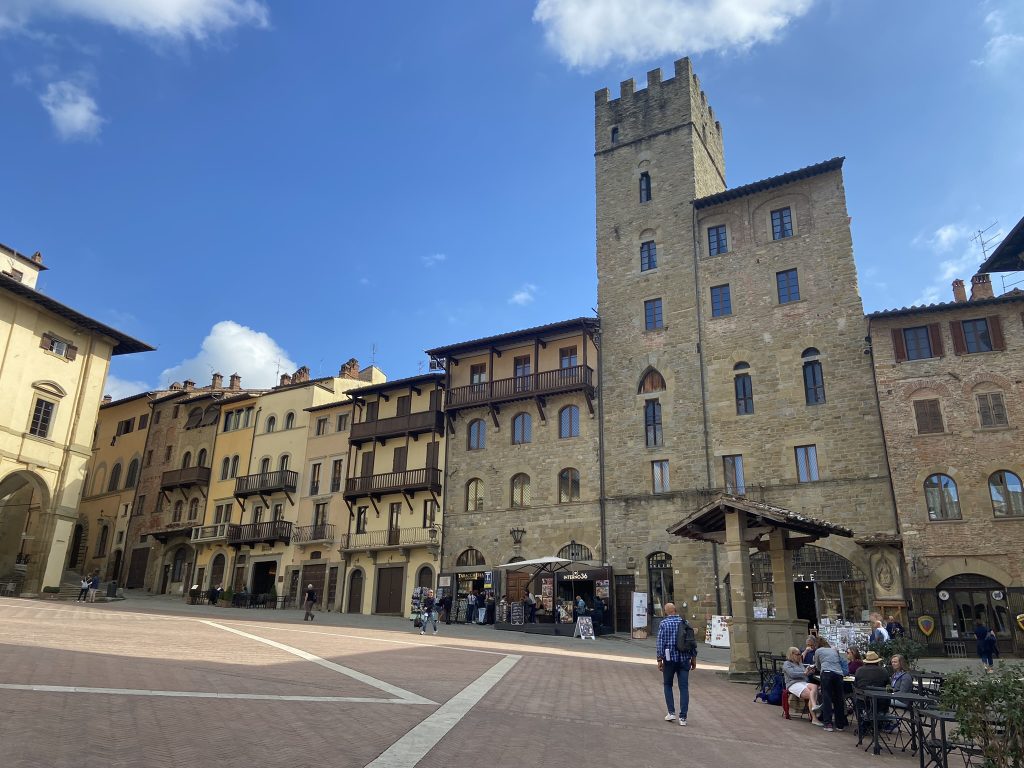
These conversations are memorable, and your purchase directly supports the continuation of local cultural traditions. Here’s a link to my interview with Silvia Salvadori at her workshop in Arezzo.
12. Engage with Locals
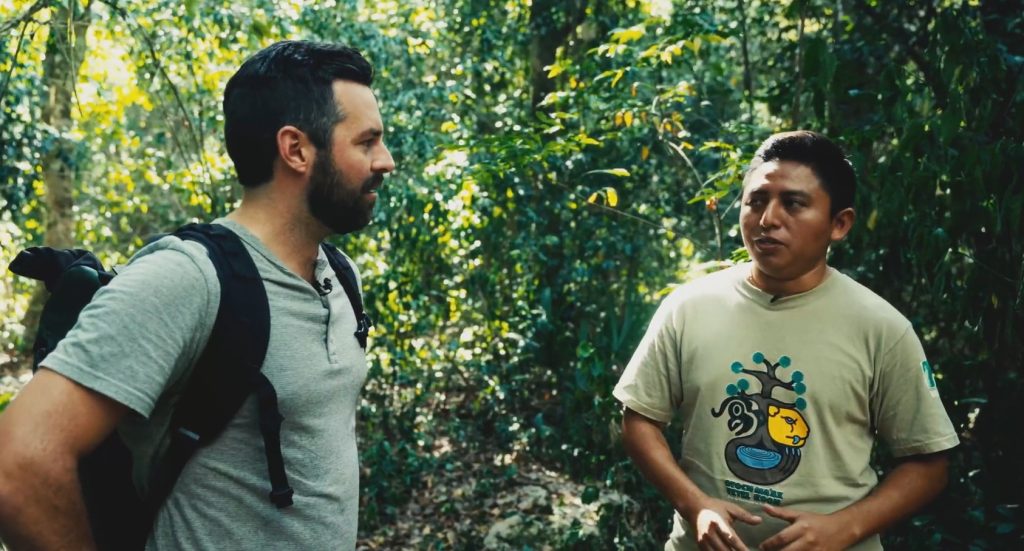
Some of the best cultural travel recommendations come directly from locals. Ask hotel staff, servers, taxi drivers, museum attendants, and tour guides for tips on concerts, exhibitions and performances.
If there’s a language barrier, use Google Translate—most people appreciate the effort.
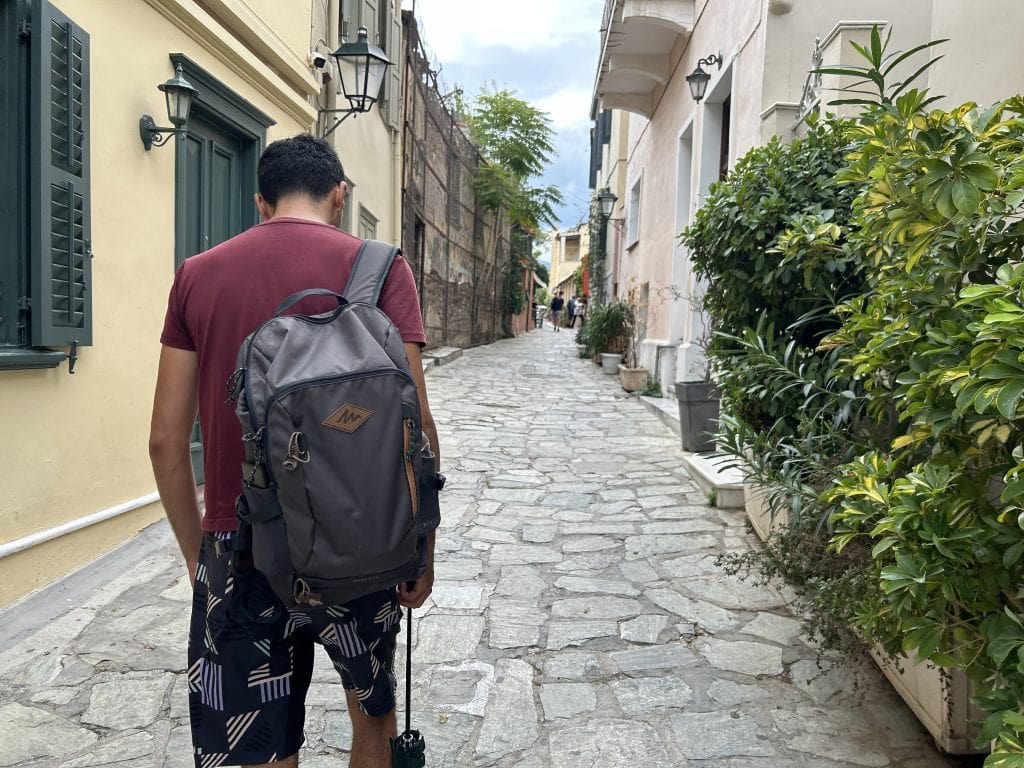
13. Take Specialty Walking Tours
Specialty walking tours are everywhere! Check sites such as Guru Walking Tours to find out what’s on in the place you’re visiting. These tours are led by local experts who love what they do.
Some specialty walking tours I’ve taken include an architecture walking tour in Bath, a “behind-the-scenes” tour in London’s Covent Garden (perfect for a theater lover like me), and a tour of the Jewish Ghetto in Rome.
Cultural Travel FAQs
Meaningful culture travel goes beyond sightseeing. It focuses on connecting with local traditions, arts, food, music, stories, and communities to better understand a destination’s identity, its history, and the people who live there.
Plan your itinerary around museums, performances, local workshops, food tours, artisan studios, festivals, and specialty tours. Slow down and make space for authentic cultural encounters.
Examples include visiting museums, attending concerts or plays, taking craft workshops, joining food tours, meeting local artisans, and participating in festivals.
Small museums offer quieter spaces, personal interactions with staff, and insights into unique local history and creative traditions.
Talk to locals, attend community events, seek out neighborhood markets, and participate in workshops or tours led by residents.
Absolutely. Food reflects history, migration, tradition, and community. Cooking classes and food tours are some of the best cultural experiences you can have.
Conclusion
Meaningful arts and culture travel happens when you slow down, engage deeply, and follow your curiosity. These cultural tourism tips will help you create rich and memorable experiences wherever you go.
How about you? Have you experienced an artsy activity or tour you’d like to share with other like-minded travelers? Share your recommendations in the Comments below.
Explore all my posts related to Arts & Culture on Artsy Traveler: