
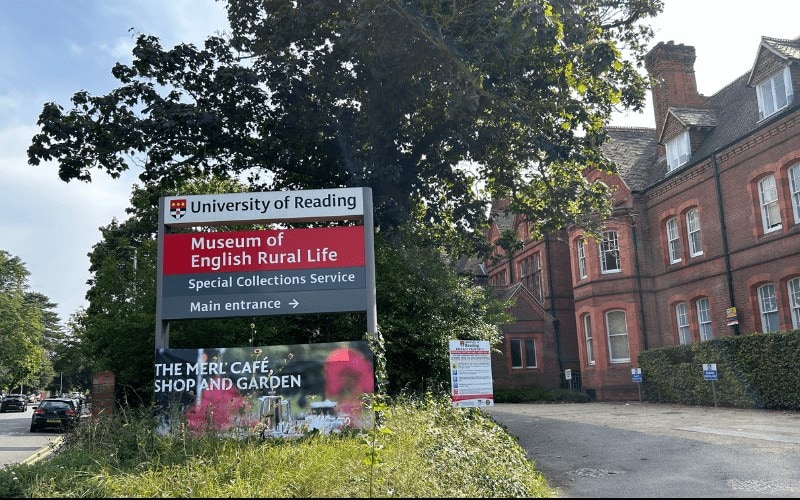
The Museum of English Rural Life: A Fascinating Look at England’s Countryside Past
I'm Carol Cram, novelist and arts travel writer, and founder of Art In Fiction, a curated database of 2,700+ novels inspired by the arts. Artsy Traveler contains affiliate links for products and services I personally use and recommend. As an Amazon Associate, I earn from qualifying purchases. Please read the Disclosure for more information.
The must-see Museum of English Rural Life showcases thoughtfully curated exhibits exploring the history of life in rural England.
Eight galleries and an impressive open storage area at this English rural life museum present artifacts and commentary related to the traditions and challenges of food production in the English countryside.
I spent a wonderful afternoon at this museum in Reading with associate director Isabel Hughes, who graciously answered my many questions about the museum and then took me on a guided tour.
This post is part of my guide to artsy & independent travel in England, where I share my best tips for exploring England’s creative cities, historic sites, literature, theater, and cultural experiences.
Table of Contents
Quick Facts: Museum of English Rural Life (MERL)
- Time needed: 2–3 hours
- Location: Reading, Berkshire, England
- Established: 1951; moved into its present location in 2004
- Operated by: University of Reading
- Housed in: Former St. Andrew’s Hall of Residence at 6 Redlands Road, Reading, Berkshire
- Galleries: 8 permanent galleries plus open storage collections
- Focus: English rural life, farming, food production, and countryside traditions
- Highlights: Historic wagons, farm tools, textiles, Land Girls exhibits, open storage displays; see museum’s extensive website
- Admission: Free (donations welcome)
- Opening hours: Daily 10:00 am–5:00 pm
- Best for: Artsy travelers, history lovers, literary travelers, families, and museum fans
Overview of MERL
I lived in Reading for three years a few decades ago. During that time, I attended the University of Reading where I earned my BA in English Language and Literature.
I hadn’t returned to Reading since I graduated, so on a recent trip to England from my home near Vancouver, BC, I decided to make Reading my first stop after flying to Heathrow from Vancouver.
I wanted to find out if there were any museums in Reading I could visit. After googling museums and Reading, I discovered the Museum of English Rural Life (MERL) run by my alma mater, the University of Reading.
I had never heard of MERL, although Isabel told me the museum was established in 1951 and did indeed exist when I attended the university in the 1970s. In 2004, the museum moved to its spacious new digs in the former St. Andrew’s Hall, one of the student residences that was around during my time at the university.
Since its expansion, the Museum of English Rural Life (MERL) has established itself as one of the United Kingdom’s premier destinations.
The Museum of English Rural Life is a specialty museum with broad appeal. Touring a museum dedicated to how food was produced back in the day reminds us of our rural roots. Everyone eats food! No matter where you come from, chances are good that at least a few of your ancestors had something to do with agriculture.
Why I Wanted to Visit MERL
I decided to visit MERL for two reasons.
First, it’s a niche museum and as such is a perfect candidate for featuring on Artsy Traveler.
Although I often write about blockbuster museums such as the Rijksmuseum, National Gallery of London, and the Uffizi, my heart beats particularly fast when I discover an off-the-beaten-path museum that my readers may not know about and that fits with my interests.
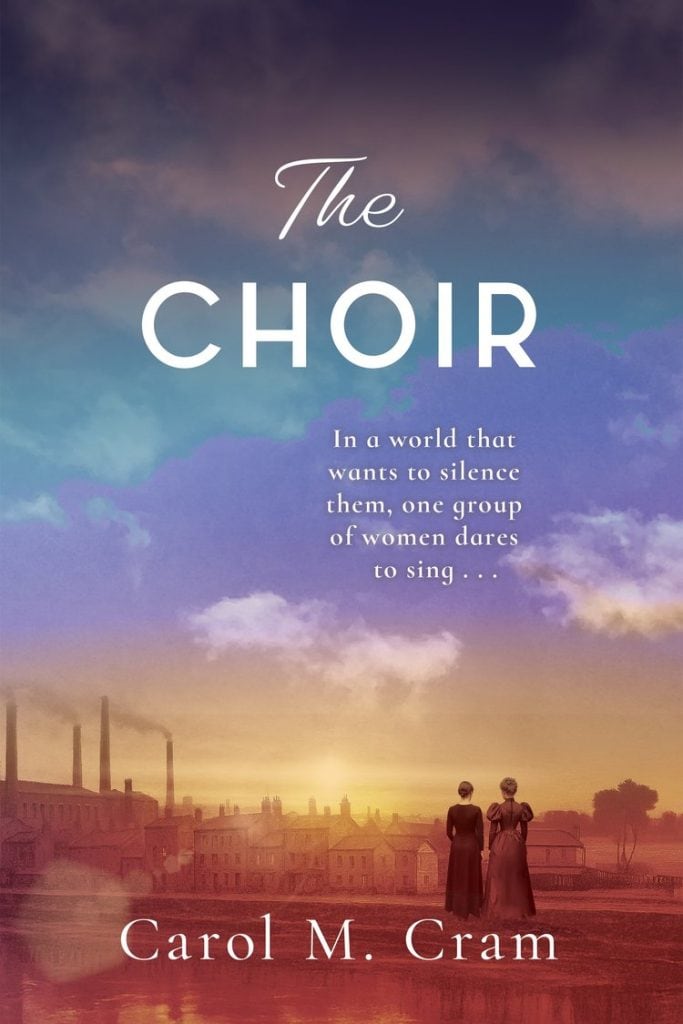
The second reason I wanted to visit is because my novel The Choir is partially set in Devon in the 1880s.
Eliza, my main character, must move with her family from a bucolic rural life in Devon to the “dark, satanic mills” of northern England where most of the novel takes place. In the scenes set in Devon, I wanted to sprinkle in a few more details about rural life that I hoped to find at MERL.
And I wasn’t disappointed! This extensive museum dedicated to farming practices and rural life is a hidden gem, and admission is free or by donation.
Arrival at MERL
A few hours prior to visiting MERL, I land at Heathrow after a smooth eight-hour flight from Vancouver. Twenty minutes after deplaning, I’m standing, phone in hand, searching for my Über.
Since my flight has arrived an hour early, I take the Über to my hotel before heading to the museum. I’m staying at the Hotel Malmaison (#1 on the map) in downtown Reading, which I highly recommend. After freshening up, I decide to walk the 22 minutes from the hotel to MERL (#2). Here’s a map of Reading:
Along the way, I expect to take a few jaunts down memory lane, but alas, it isn’t to be. Nothing looks the same as I remember from the 1970s, not even close. The Reading skyline bristles with new buildings designed by architects who likely hadn’t been born when I was studying at the university.
When I lived in Reading, there was hardly anywhere to get coffee, much less enjoy a meal. We existed on copious amounts of strong tea; coffee bars were unheard of. And as for eating out, we almost never did.
Now, every other establishment in Reading serves food, or so it seems, as I stroll past the bistros and restaurants in the downtown area.
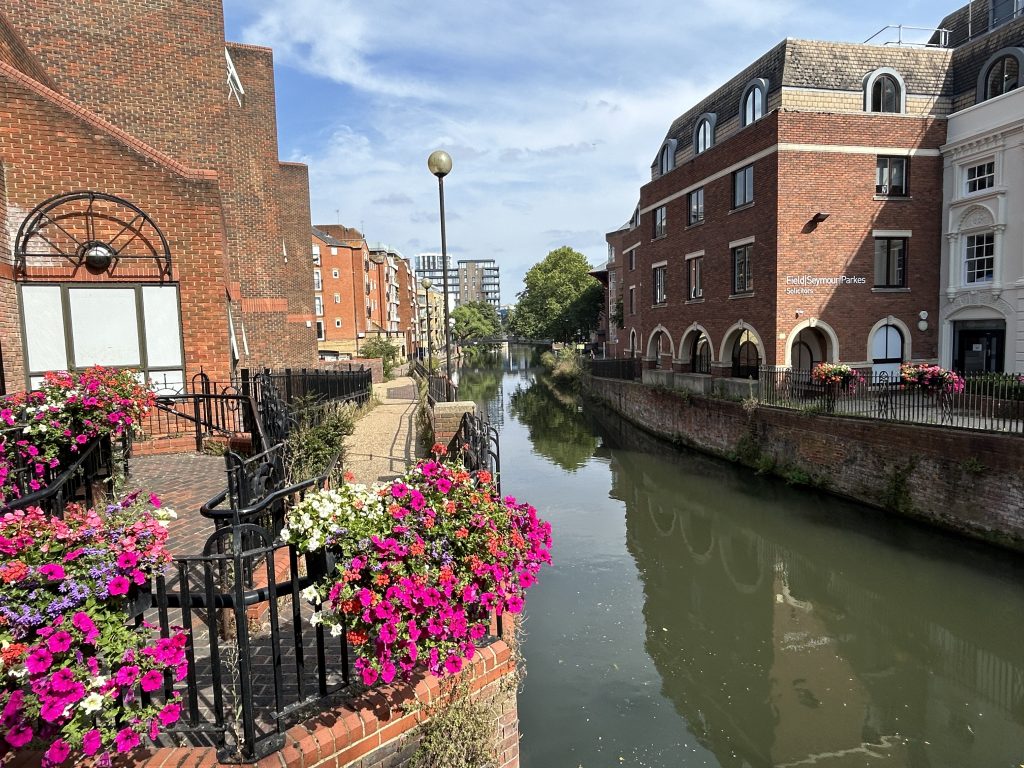
Along the way, I cross over the Kennet and Avon canal which looks serene and well-groomed in the late August sunshine.
Interview with the Associate Director of MERL
When I arrive at MERL, Isabel Hughes, associate director of the Museum of English Rural Life (MERL) at the University of Reading in England, meets me and, over a very welcome cup of tea, we start our chat.
Carol
What is the purpose of the Museum of English Rural Life?
Isabel
The purpose of the museum is to present exhibits and objects that help visitors understand the human side of English rural life: the production of food, farming practices since the 19th century, and the changing countryside.
We like to present the human side of rural life and really celebrate working people since the vast majority of people in the 19th century and into the 20th century either worked on the land or in mills, or were servants.
Farming practices began to change in the late 19th century because of the agricultural depression caused by wheat production in Canada.
Carol
That’s very interesting because in my novel The Choir, my main character’s family moves from Devon because there is no more farm labor work for the men. I thought it was because of mechanization that jobs became scarce, but there was also an agricultural depression.
It’s interesting that Canada was to blame! A lot of people, including many of my ancestors, emigrated from a rural life in the West Country to Canada during the 19th century.
Isabel
The Agriculture Department at the University of Reading started MERL in 1951. World War II had ended and there was a push to make agriculture more self-sufficient and productive with the use of insecticides and the development of large farms. But as a result, traditional farming practices were being lost.
The founders of the museum realized this and decided to collect items such as old wagons and hand tools. They went to agricultural shows and talked to farmers, and acquired examples of traditional crafts such as basketry, woodworking, and bodging (making things such as brooms and chairs out of unseasoned green wood).
In 2004, the museum moved to its present location in the former St. Andrew’s Hall of residence, helped in part by funding from Alfred Palmer, a well-known Reading businessperson.
Carol
I well remember taking my exams at Reading University in the Palmer Building! He was quite the benefactor.
What is your number one recommendation for touring the museum?
Isabel
We like people to have a wander and see it all. The huge collection of wagons is particularly impressive. We have wagons from almost every county in England.
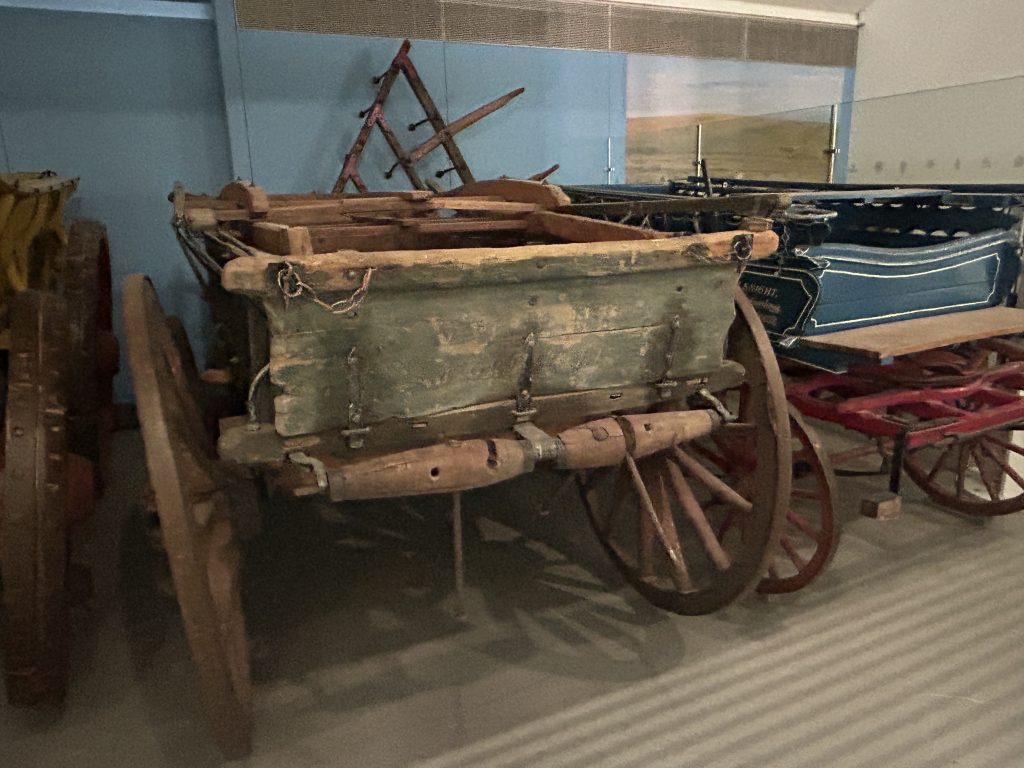
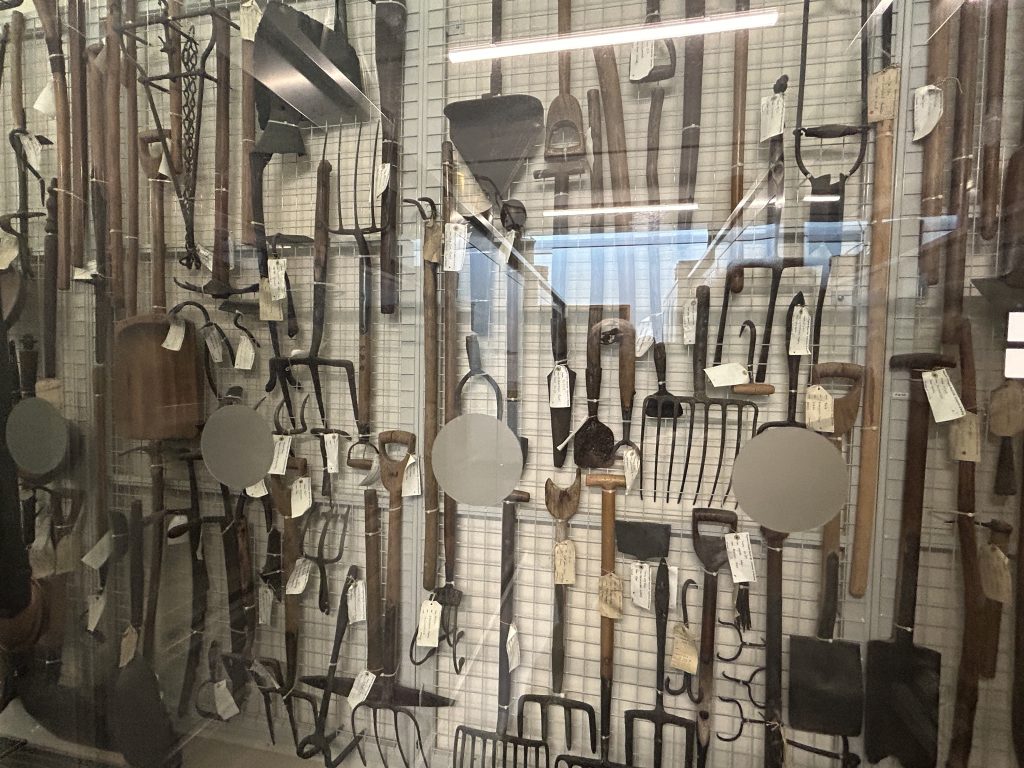
People can explore the eight galleries and then go upstairs to view our open storage of the thousands of items the museum has collected over the years.
The luggage labels attached to each artifact are the original labels affixed when the museum acquired the artifact.
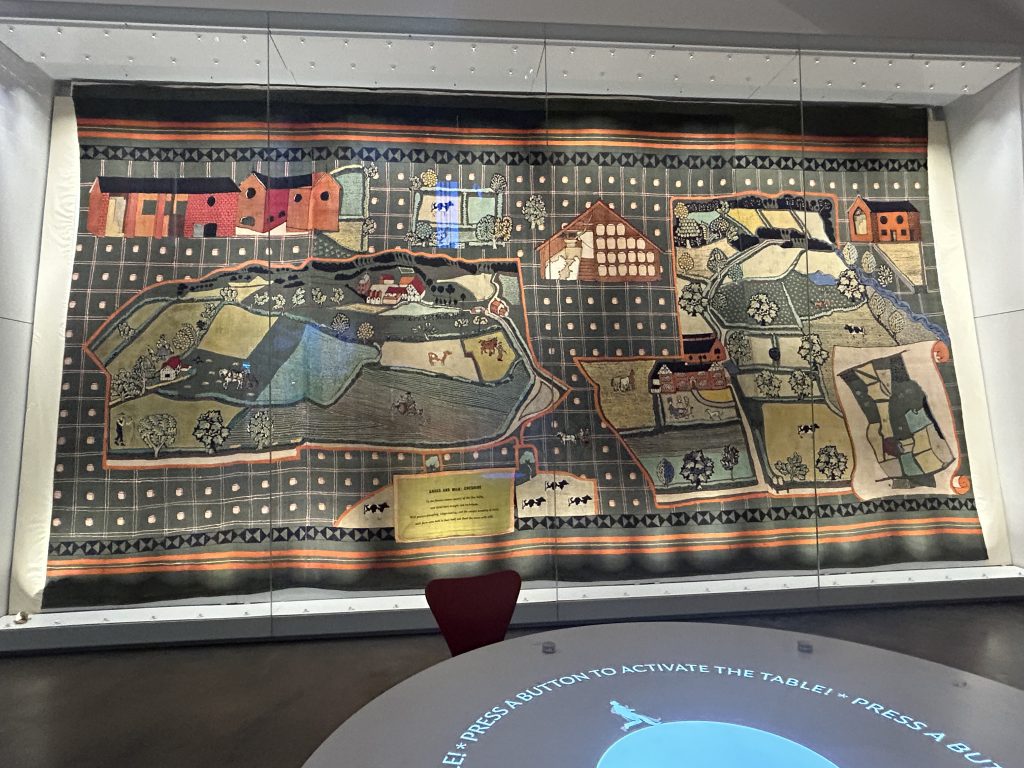
Another thing that we want people to notice is the textile wall hanging created for the Countryside Pavilion at the Festival of Britain in 1951. It was one of several we acquired. The one on display depicts Cheshire and cheese production.
Carol
What is your favorite exhibit and why?
Isabel
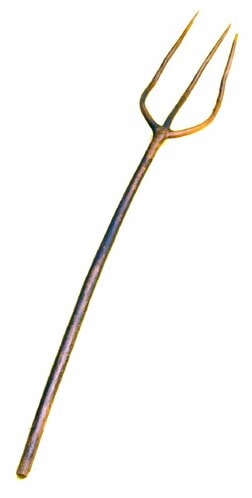
I think my favorite is a pitchfork grown in a hedgerow. A branch growing off the shrub was nurtured until it was just the right size and shape for a pitchfork.
It’s made by nature but guided by hand.
Carol
What are some of the hidden gems that visitors should check out at MERL?
Isabel
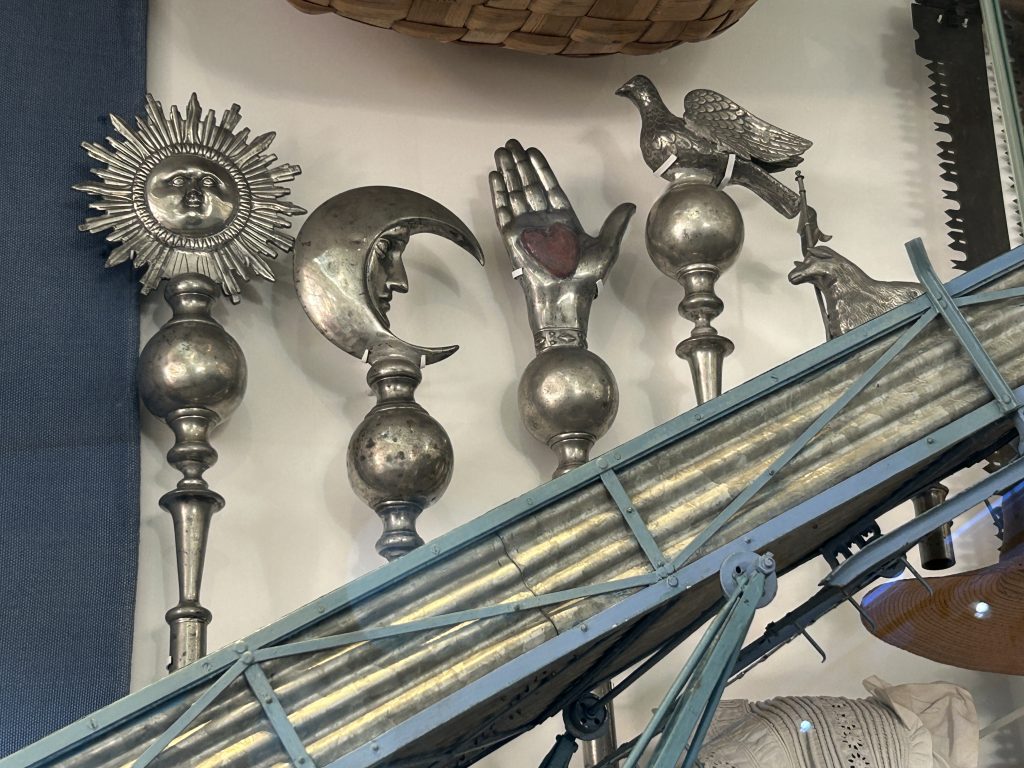
The display of friendly society pole heads is intriguing. A friendly society was a cooperative that workers bought into. If they had a rough time, then the cooperative could help to support them. The pole heads were elaborately carved and resembled pub signs. They were carried in processions such as church parades.
Carol
Is this the only rural museum in England?
Isabel
It is one of the earliest museums but not the only one. There is a rural museum network that includes small community museums. Other large museums like MERL are the National Museum of Rural Life in Scotland and the St. Fagan’s National Museum of History in Wales.
There is also the Weald and Downland Living Museum near Chichester, which is where Repair Shop is filmed. We like to think of MERL as the national rural museum for England, but it is not, officially.
Carol
What is the most popular gift shop item?
Isabel
We’ve had images from the wall hangings turned into merchandise such as mugs, pencil cases, notebooks, tea towels and bags. We also have tea towels depicting engineering drawings of farm machinery, which are very popular with enthusiasts who are interested in recreating rural farm machinery.
Carol
Are any new exhibits planned?
Isabel
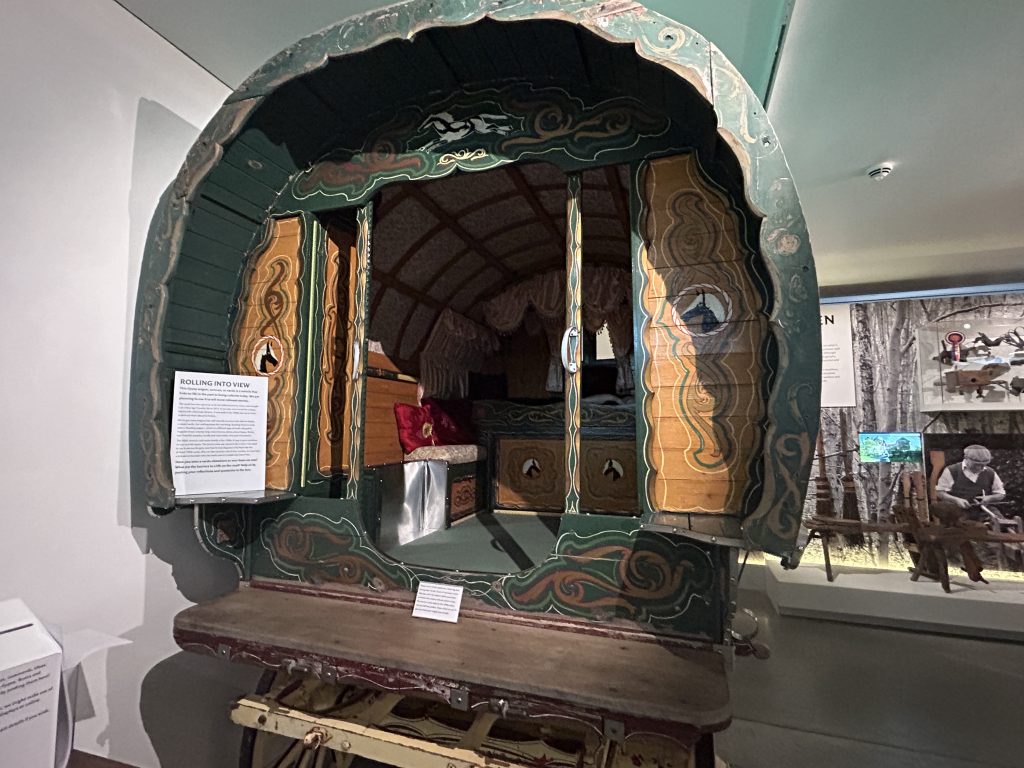
We have quite a few artifacts related to the Roma people that are often not labeled as such. These include photographs of people working the land, and a gypsy wagon. We are starting to re-label these artifacts to feature the history of the Roma people in the English countryside.
Carol
Anything else you’d like to share?
Isabel
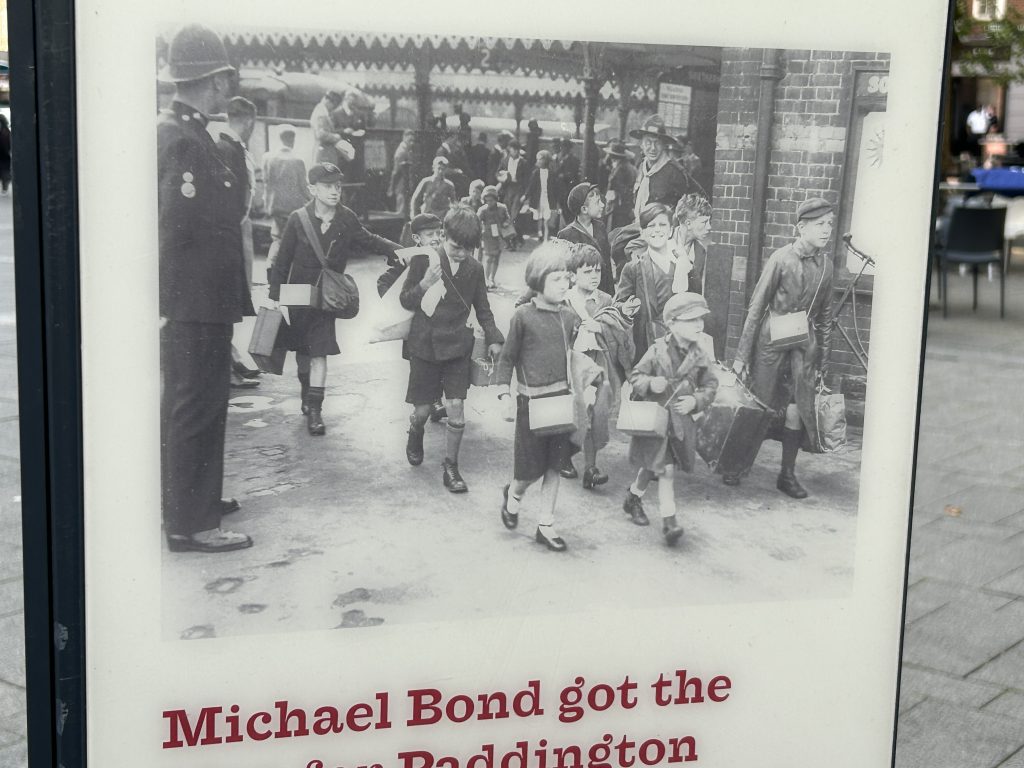
At MERL, we have an extensive library and archives containing a wealth of stories. Of particular note is our archive of letters that children evacuees during World War II sent to their parents when they were evacuated from the cities to the countryside. Reading was one of the hubs for evacuee children. Some of the letters were positive, depicting the experience as active and fun, while others were from children who were upset and even mistreated.
The labels affixed to the children when they were put on the train to go into the countryside inspired Michael Bond to write the Paddington Bear books in the 1950s.
Touring the Museum Galleries
After our chat, Isabel takes me around the museum. Seeing it after talking with her really brings it to life. Throughout the galleries of this rural museum in England are interactive activities for children.
MERL has an active school program and welcomes over 50,000 visitors a year, likely a good proportion of them families.
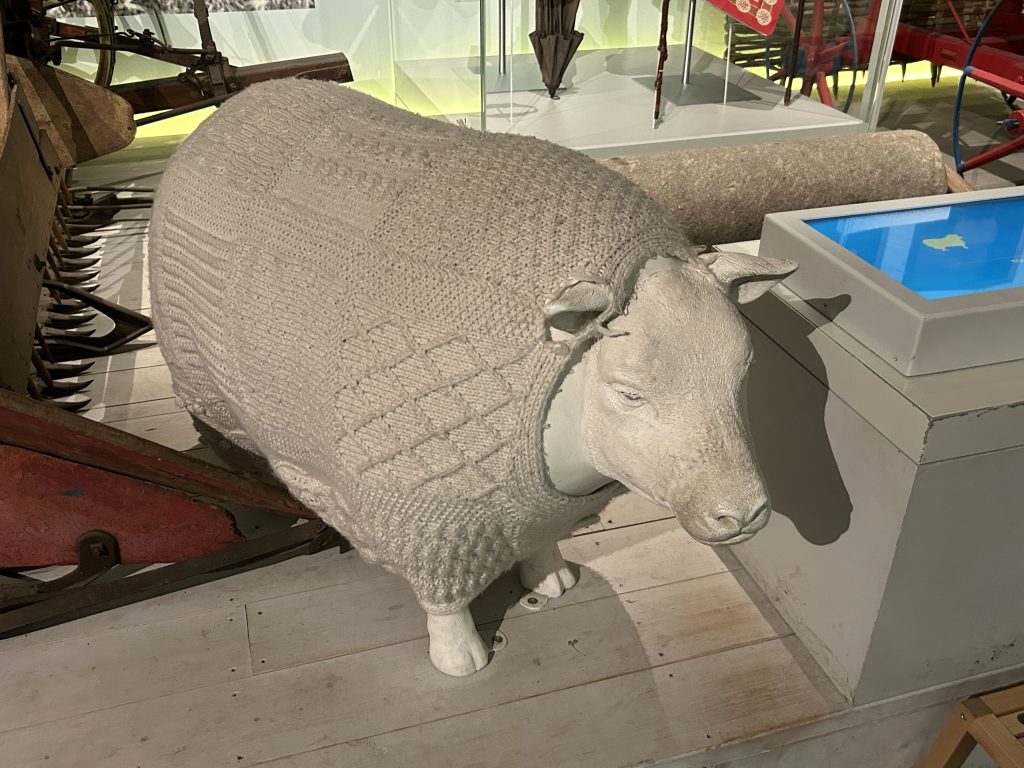
I love the sheep clad in an Aran sweater in the first main gallery.
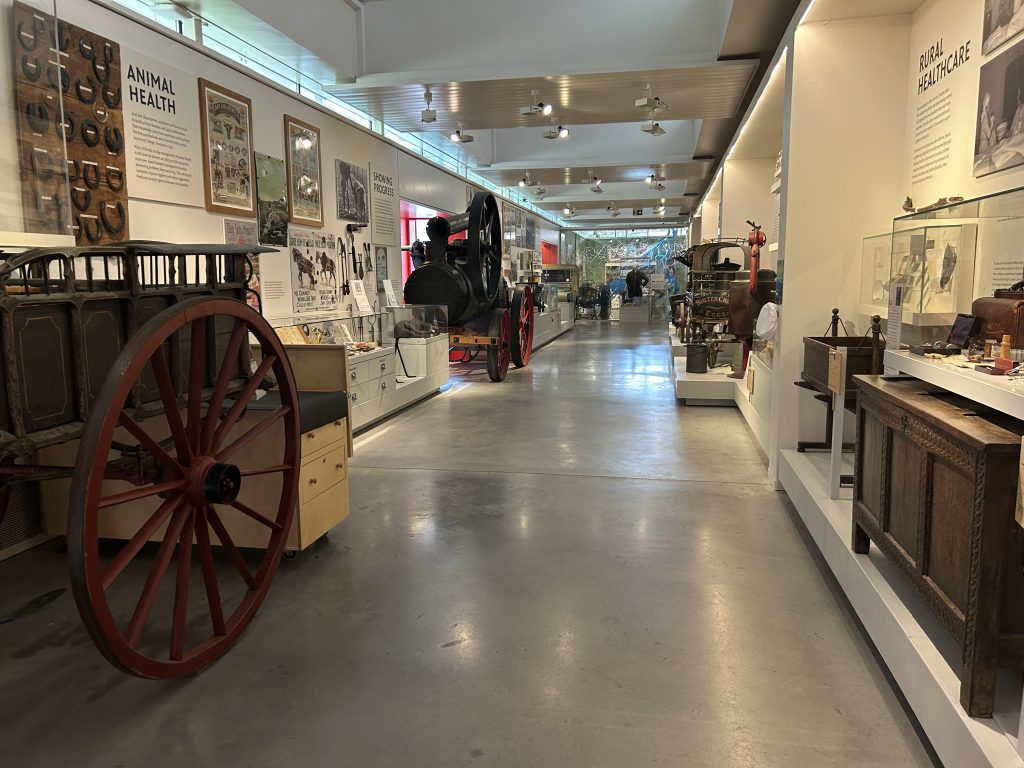
The size of MERL surprises me. The galleries go on forever, each one more chock-a-block with artifacts than the last. You can spend a lot of time here!
Land Girls
I’m particularly taken by the collection of objects and photographs related to the Land Girls, who were young women who worked on the farms during World War II. Here are photographs of several Land Girls and the uniforms they wore.
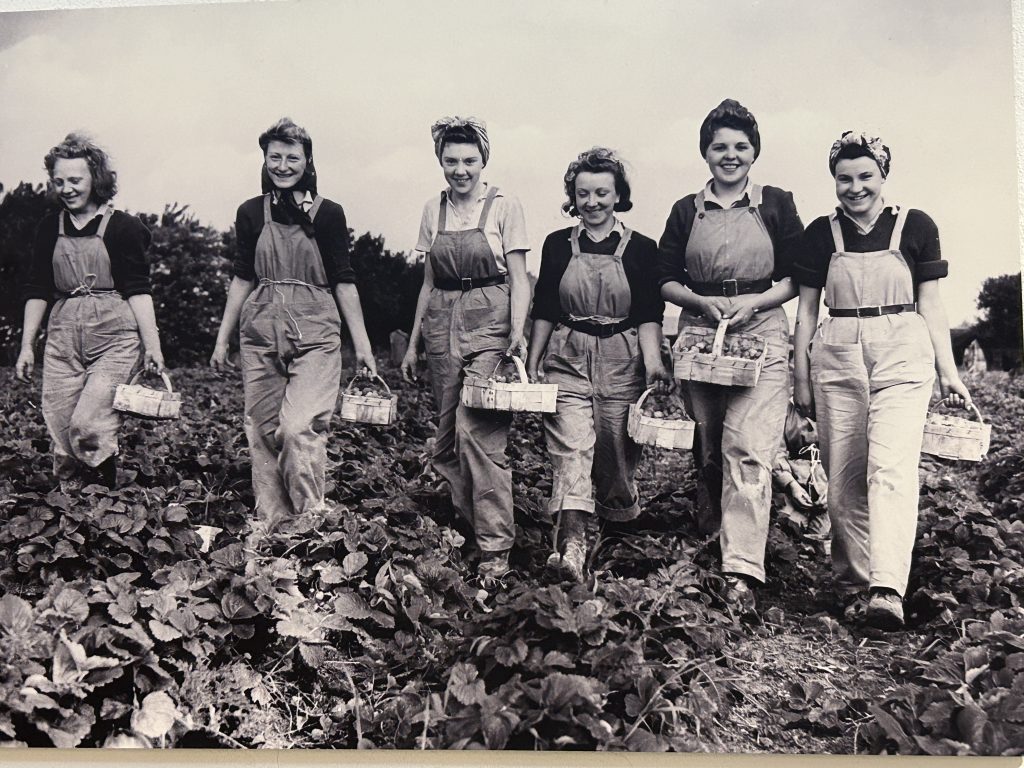
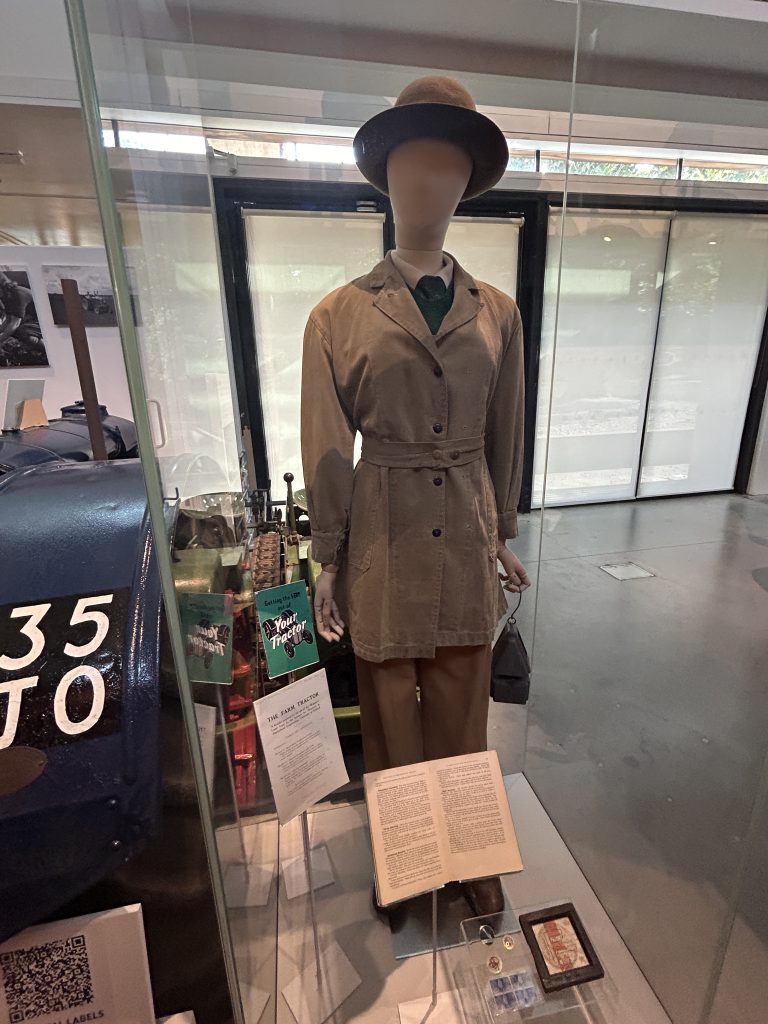
The Land Girls experience inspired Land Girls, a British TV series available on Netflix.
Traps
A sobering exhibit features various traps that were used for both animals and people. The two human traps are particularly horrifying. Anyone caught in one would likely die a very slow and painful death. These traps were placed to prevent poaching.
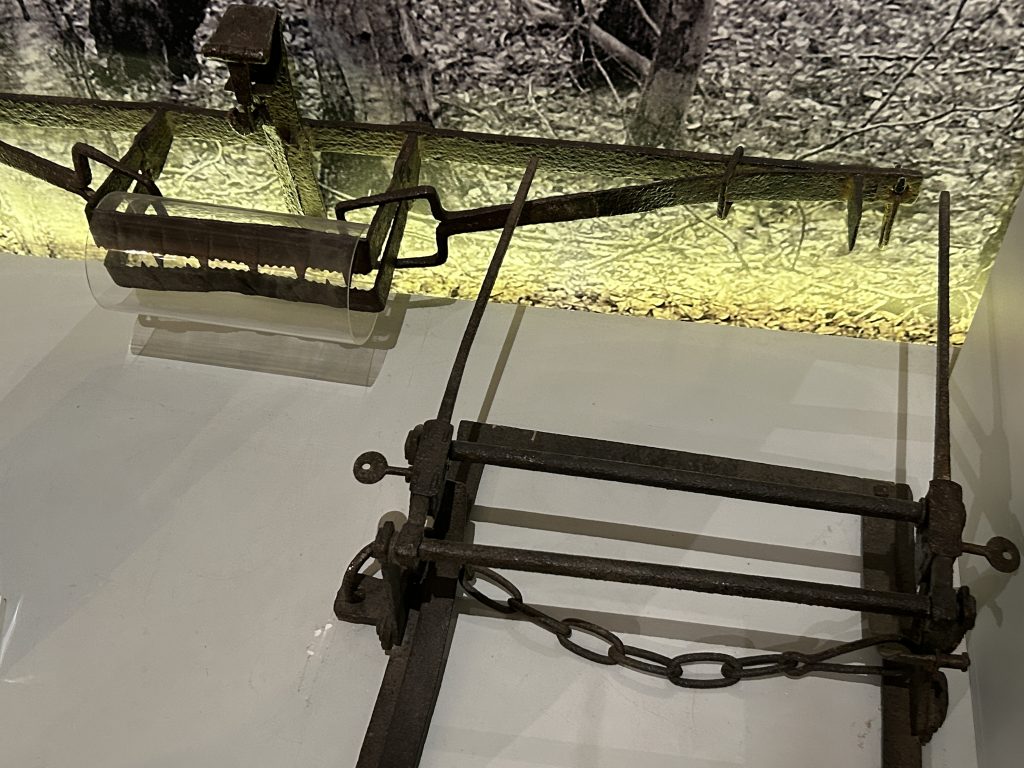
We spend almost an hour roaming through the galleries and viewing the open storage collections on the first floor. I’m very impressed with both the size and the quality of the exhibits and am reminded how, in another life, I would have loved to have been a museum curator.
But being a novelist and travel blogger is also good, and MERL ticks the boxes on both fronts. I’m finding plenty of inspiration for the country scenes in The Choir (now published).
The open storage collection of smocks, many beautifully embellished with traditional smocking, reminds me of what some of my characters may have worn. I can also imagine my main character wearing a bonnet, such as the ones displayed, while she helped with the harvest.
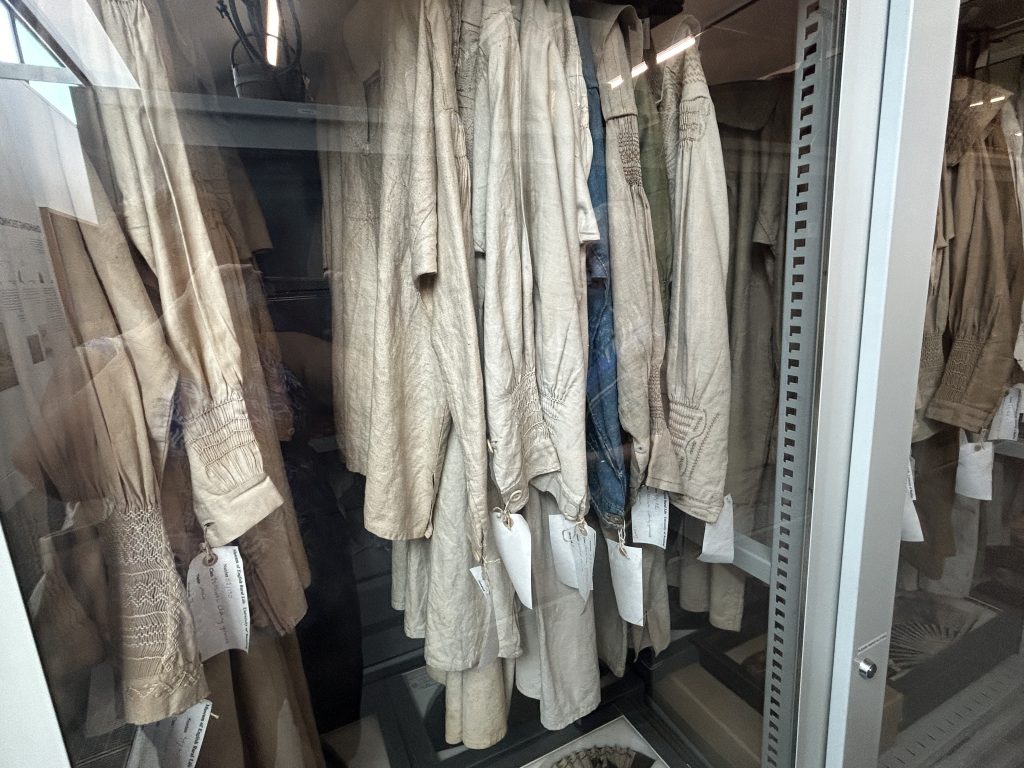
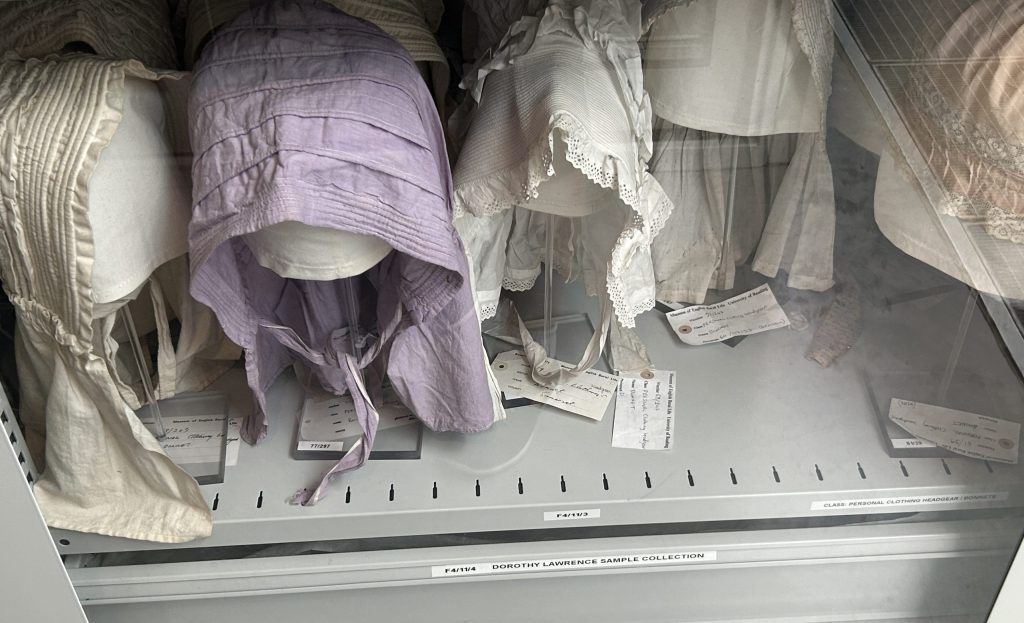
As the museum gets set to close, Isabel and I pose for a photo, I purchase a notebook that shows a detail from the Cheshire wall hanging, and say my good-byes.
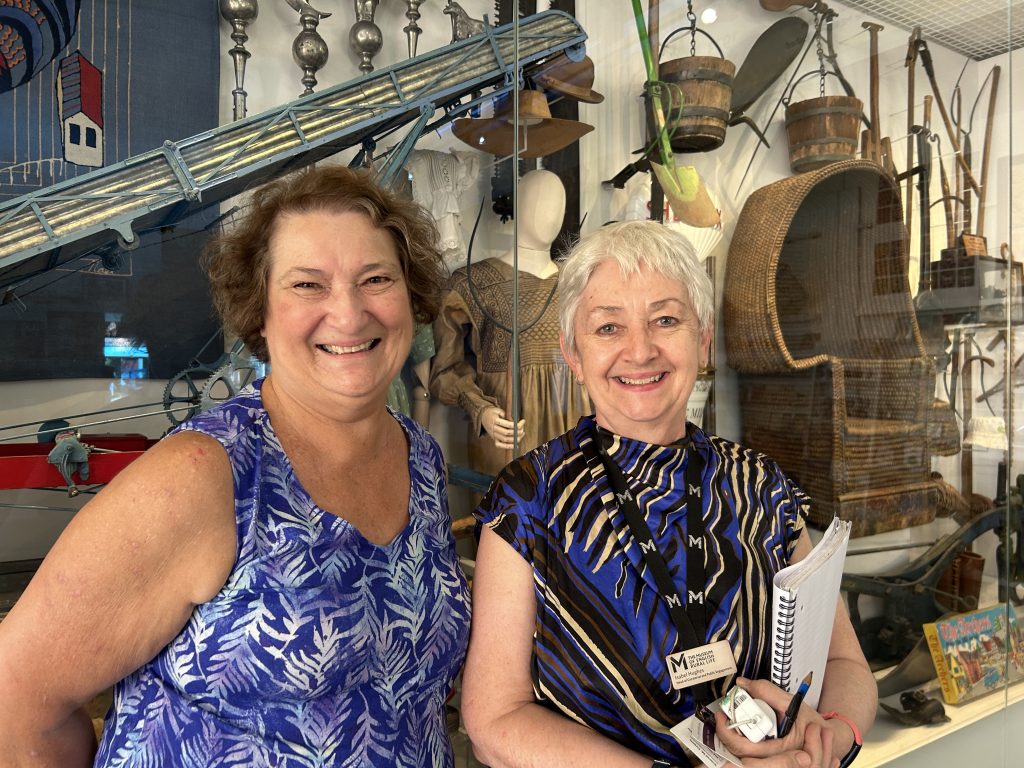
I walk back to my hotel, enjoy an excellent dinner, and then, finally, turn the lights out at 9. My first day in the UK has been a success.
MERL FAQs
The Museum of English Rural Life (MERL) is located at 6 Redlands Road in Reading, Berkshire, England, and is operated by the University of Reading (my alma mater!).
Yes. Admission to the Museum of English Rural Life is free, although donations are welcome to help support the museum’s work.
Most visitors should allow 2 to 3 hours to explore the eight galleries and the impressive open storage collections.
MERL is known for its extensive collections related to farming, food production, rural crafts, and countryside life in England, including historic wagons, tools, textiles, and social history exhibits.
Yes. The museum has interactive displays, a strong schools program, and family-friendly exhibits, making it engaging for both adults and children.
Highlights include the large collection of regional wagons, the open storage area, textiles such as smocks and wall hangings, Land Girls exhibits from World War II, and unique artifacts like a pitchfork grown from a hedgerow.
No advance booking is required for general entry, but special events, tours, or group visits may require booking in advance.
Exploring the Area
Here are some GetYourGuide tours in southern England. Most depart from London.
Continue Exploring England’s Museums
Here are more posts about favorite galleries and museums in England:
- How to Get the Most Out of Your Visit to the Victoria & Albert Museum in London
- What To See At London’s National Gallery: The Best Of The Best
- Things to See at the Design Museum in London
For all posts about England, see Visiting England.
Would you like to save this post?

Carol M. Cram writes novels inspired by the arts; runs Artsy Traveler, an arts-focused travel blog, and Art In Fiction, a curated database of 2,700+ novels inspired by the arts; and hosts The Art In Fiction Podcast. She has also authored 60+ textbooks on computer applications and taught at Capilano University for over two decades. Carol lives with her husband, artist Gregg Simpson, on beautiful Bowen Island near Vancouver, BC.
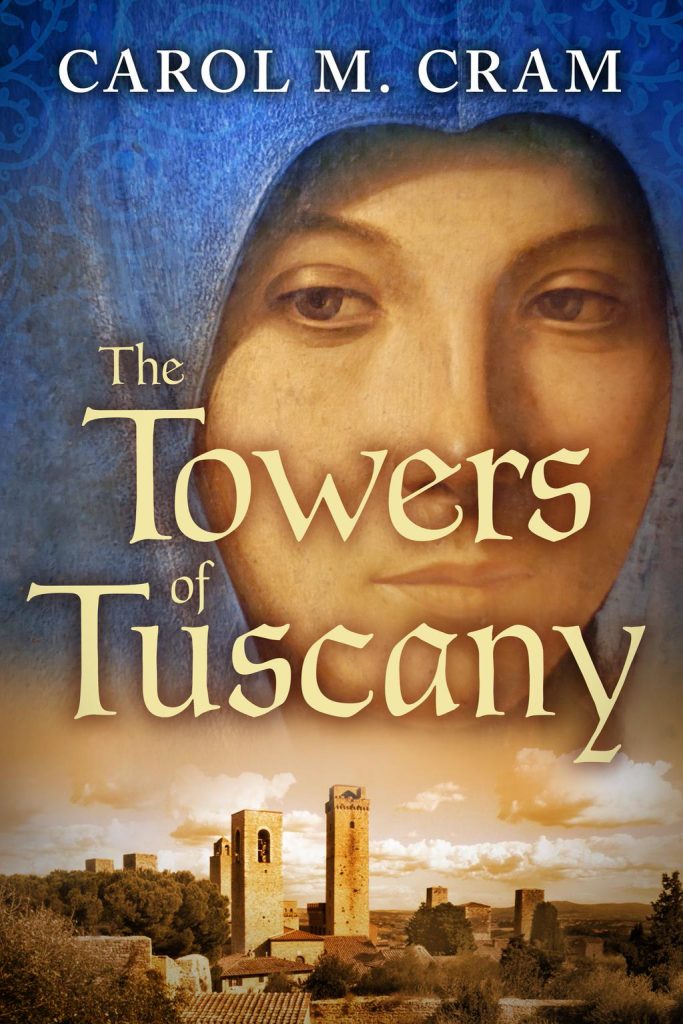
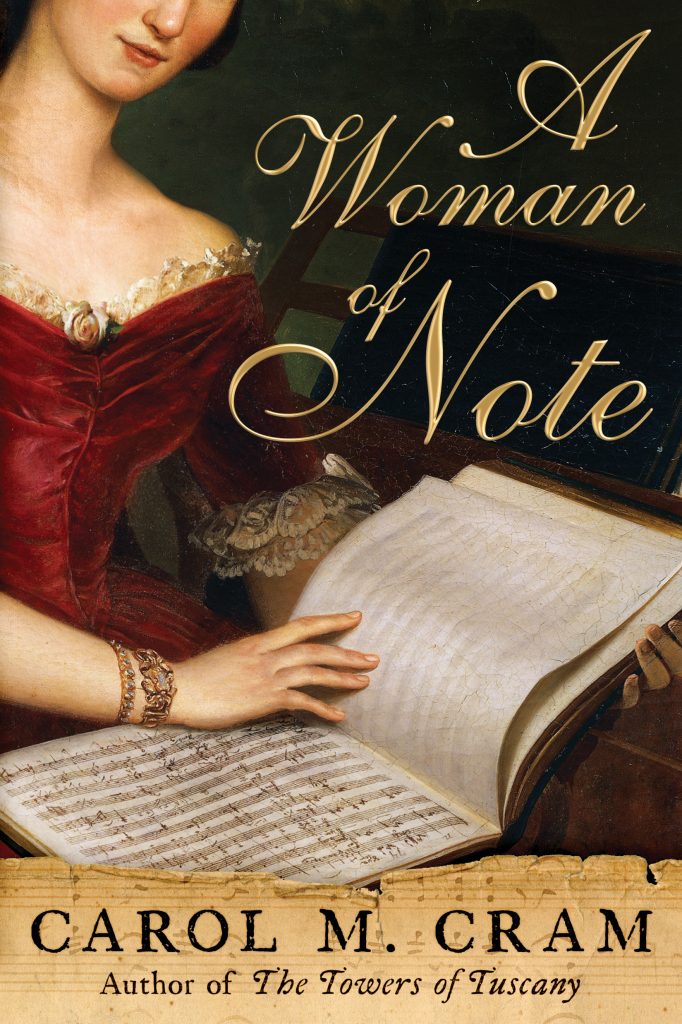
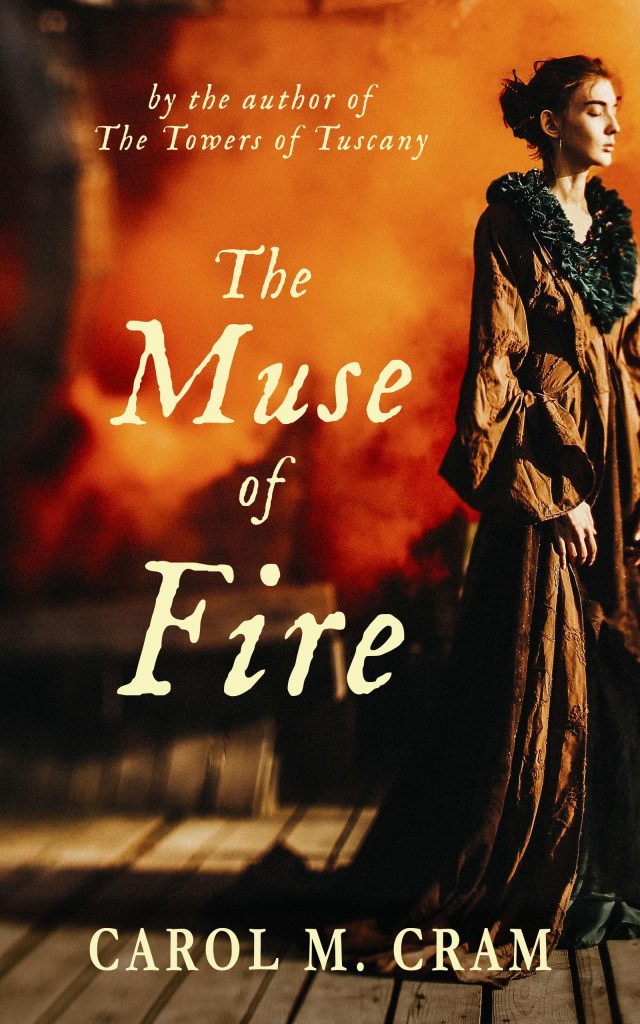
 See all my novels



Fascinating interview and the galleries look great. Love the pitchfork – ‘made by nature, guided by hand’. And I didn’t realise the impact of the Canada wheat industry either. So much of interest – I must visit!
The Weald & Downland Living Museum is certainly a very worthwhile trip – I would suggest it is a quite different approach and experience to MERL.
Thanks, Martin! The MERL was a revelation to me. If you’re at all interested in rural history, it’s a must-see! On my next trip to the UK, I’ll put a visit to the Weald and Downland Living Museum on my list! Hope you are well!