

How to Plan a European Trip: 9 Easy Steps for a Perfect Itinerary
I'm Carol Cram, novelist and arts travel writer, and founder of Art In Fiction, a curated database of 2,700+ novels inspired by the arts. Artsy Traveler contains affiliate links for products and services I personally use and recommend. As an Amazon Associate, I earn from qualifying purchases. Please read the Disclosure for more information.
Planning a trip to Europe is one of life’s great pleasures when you give it the attention it deserves.
This post is for you if you’re the kind of traveler who builds an itinerary around a Vermeer exhibition in Amsterdam, a Shakespeare production in Stratford-upon-Avon, or a concert at the Vienna Philharmonic.
To build such an itinerary requires a system.
Over the years, I’ve developed a nine-step planning process specifically designed for independent travelers who care as much about what’s happening culturally in a destination as where they’re staying.
If that sounds like you, let’s get started.
How to Use This Guide
This guide is designed to be read from start to finish if you’re planning your first European trip, or dipped into as needed if you’re refining an existing itinerary.
Table of Contents
- How to Use This Guide
- Who This Guide is For
- Europe Trip Planning at a Glance
- Introduction to the Nine Itinerary Planning Steps
- Step 1: Determine Your Time and Travel Budget
- Step 2: Choose Your Travel Style
- Step 3: Set Up Your Itinerary
- Step 4: Choose Your Destinations
- Step 5: Find Events, Exhibitions & Tours
- Step 6: Calculate Transportation Needs
- Step 7: Revise and Replace
- Step 8: Book Accommodations
- Step 9: Book Transportation
- Trip Planning FAQs
- Complete Your Itinerary
- Keep Planning the Perfect European Trip with Artsy Traveler
Who This Guide is For
This guide is for travelers who want to experience Europe deeply rather than rush through it. It’s especially helpful if:
- You’re planning your first independent trip to Europe and feel overwhelmed by the choices.
- You want a clear, step-by-step system instead of scattered tips.
- You prefer culture-rich travel: museums, art, music, theater, and local experiences.
- You’re planning a trip of three weeks or longer and want to balance movement with downtime.
- You value comfort and flexibility over ticking off as many countries as possible.
- You want advice based on real travel experience, not theory.
This guide is not about finding the cheapest way to travel around Europe, nor is it about rushing from one highlight to the next. Instead, it focuses on creating a thoughtful, well-paced itinerary that fits your budget, energy level, and interests, while leaving room for discovery along the way.
If you enjoy planning almost as much as traveling and want your itinerary to feel like a personal guidebook rather than a rigid schedule, then you’ve come to the right place.

Europe Trip Planning at a Glance
Here’s a realistic snapshot of what planning a European trip typically looks like:
- Best cost-saving strategy: Open-jaw flights + slow travel
- Ideal trip length: 3–6 weeks
- Average daily cost (2 people): €125–165 (excluding flights)
- Best planning timeline: 6–9 months out
- Ideal pace: 2–4 nights per destination
Introduction to the Nine Itinerary Planning Steps
Before diving into the steps, two things to sort out first.
Where Do You Want to Go?
The first is simple: decide which countries you want to visit.
Consider exploring two or at most three major countries or regions. Focus on southern France and northern Italy, or the Netherlands and the Rhine Valley in Germany, or northern Spain and Portugal.
The cardinal rule of effective European trip planning is to not do too much. You want to enjoy your trip, not endure it.
And remember that changing your mind is never off the table.
Secure Your ETIAS Authorization
The second requirement is practical. If you’re traveling from Canada, the US, or another visa-exempt country, you’ll need ETIAS authorization before visiting most European countries starting in 2026.
Think of it as a quick online pre-screening rather than a full visa application.
It costs around €7, takes about ten minutes, and is valid for three years.
Apply before booking anything non-refundable, and check the official ETIAS website for current rollout details as implementation continues to evolve.
Now let’s plan.
Step 1: Determine Your Time and Travel Budget
How much time and money do you have for the trip you want to take? Calculate total travel expenses of about €125-165 per person per day to travel in Europe, not including airfare and transportation costs.
I provide a general cost breakdown below. These costs presume you’re on the go most days. If you home-base in a destination for a week or more, your per-day costs will be lower, depending on your transportation needs and the price of your accommodation.
Note that European travel costs have increased significantly in the last three or four years. My estimates reflect typical 2026 pricing for mid-range travel and should be treated as planning guidelines rather than fixed rules.
Start planning at least six months out for summer travel, nine months if you want the best accommodation options and timed-entry tickets for major museums.
Accommodation Costs
Budget about €150-400 per night for 2 people. I wish it was less (it used to be!) but it’s not anymore, especially in western Europe.
Within this budget, your accommodation costs will likely vary widely, depending on where you’re staying and how much comfort you’re after. Count on closer to €400-500 per night in major cities or for resort properties and €110-150 per night in the countryside for small guesthouses.
Apartments are a bargain if you’re traveling with three or more people. For two people, apartments work out to about the same price as hotels.
However, you get much more room, you can cook some of your meals (thereby saving on restaurants), and you get the experience of living like a local.

For advice about choosing accommodations, read Finding the Best Accommodation in Europe: My Top Tips
Food Costs
Budget at least €45 per person per day. Again, this amount can vary a great deal.
We generally spend about €60 per person per day for three meals when we’re on the road because we eat in restaurants more often than when we’re home-basing and eating in.
Sightseeing Costs
This cost varies from place to place. In big cities, budget at least €45 per person per day for museums, and more if you choose guided tours. When you’re staying put in a rural area and enjoying the scenery and small regional museums, you’ll spend less.
One way to save money is to buy a museum pass, city pass, or a combination. Most major European cities have several options to choose from.
Match the time you have available with what you want to see and then determine if you’ll get your money’s worth out of any of the passes on offer.
Total Basic Costs
At about €300 per day for two people traveling together (€150 each), a one-month trip to Europe costs close to €9,000, not including airfare and other transportation costs.
But let’s be real. You’ll likely pay closer to €12,000 for your trip once the smoke clears.
Traveling is not cheap these days.
On the upside, traveling in eastern Europe is less expensive than in western Europe, and country stays will cost less than city stays. Tweak your destinations according to your budget.
Other ways to cut costs include staying in budget hotels, rarely eating out, and doing a walking or biking holiday instead of renting a car or taking trains.
Transportation Costs
I don’t include transportation costs in my estimated per-person-per-day calculation because these costs vary so much depending on your transportation needs.
Following are guidelines about transportation costs depending on the mode you choose.
Car Rental & Gas
Renting a car makes sense for two or more people traveling together. I estimate about €90/day for car rental and another €45/day for gas when you’re on the road doing long point-to-point drives.
On extended driving trips across Europe, gas costs skyrocket, so make sure to factor estimated costs into your budget. Also factor in costs for toll routes that can range from €10-50 per day, depending on where you’re driving and for how long.
Gas costs vary across the continent but figure on spending about €2.00/liter, on average.
Find car rental options on AutoEurope. Also check out my post on driving in Europe.
Rail Pass
Rail passes might make sense if you’re planning to travel long distances across several European countries; for example, from Stockholm to Rome.
Pass costs vary depending upon the number of days you travel within a given period, the class of travel you choose, and even your age.

For example, a Eurail Global pass good for five travel days in one month in a 2nd class train car will cost a 60+ traveler $350 USD.
Note I quoted this price in dollars because you must purchase your pass before you arrive in Europe. Find out more on the Eurail website.
Before you purchase a pass, check the countries included and calculate costs.
Use the Rail Europe site to check costs for individual trips and then compare the total to the price of the pass. Bear in mind that pass holders are often required to purchase seat reservations separately.
Sometimes (actually, very often), flying between destinations is faster and less expensive, although your carbon footprint is greater.
Flight Costs
These days, I book my flights directly with the airline (usually KLM or Air Canada) because canceling or rebooking is easier if you book directly.
I learned that lesson the hard way during COVID when getting a refund through a reseller was challenging
Departing from the west coast of Canada, we can count on a flight to Europe costing around $1,700 CAD for an open-jaw ticket. On top of the basic cost, we pay for extra baggage if we’re taking an exhibition of Gregg’s paintings to Europe, and we always splash out for extra leg room.
Comfort over cost is my motto (within reason, of course).
Vacation Packages
Research vacation packages available through companies such as Expedia and Flight Center. You may save money by bundling your airfare, car rental, and accommodation costs.
Vacation packages are a good option when you’re going to one or two destinations for a relatively short time (for example, a two-week vacation in Italy).
A Note on Travel Insurance
I skip cancellation insurance by booking hotels with free cancellation and flights that I can change or cancel, which removes most of the risk.
What I never skip is health insurance, and I’d strongly encourage you to do the same.
Medical costs abroad can be hefty, and your regular coverage may not travel with you. Check what your existing health plan covers internationally before you leave, and consider supplemental coverage if there are gaps.
Fortunately, I’ve never had to use my travel medical insurance. When I’ve had minor medical issues, I’ve paid a modest fee (usually around €100) to see a doctor and not even declared it on my insurance because it was well below the deductible.
However, I still get the insurance to cover catastrophic medical emergencies. I was just chatting with a friend who fell while traveling, broke her hip, and spent four weeks in hospital in Portugal. Yikes.
The only issue is that every year travel medical insurance gets more expensive as you age, but there’s not much you can do about that if you want to keep traveling.
I purchase my insurance through the company that handles my home insurance. They offer an annual plan that allows me to travel for up to 90 days at a time which suits my schedule, since lately I’ve been traveling abroad two or three times a year.
If you’re under 70, SafetyWing offers competitive travel medical plans worth checking out.
Whatever you choose, sort out your coverage before you book anything else. It’s the least glamorous part of trip planning and also the most important.
Step 2: Choose Your Travel Style
How you travel matters as much as where you travel. Before you start developing your itinerary, take a few minutes to think about your travel style. Your answers will shape every decision that follows.
Slow Travel vs. Constant Movement
The single biggest mistake independent travelers make is trying to cover too much ground.
Two nights in a destination is a minimum; three or four is better. Give yourself time to breathe and enjoy your destinations.
Travel should be a comfortable, loping marathon, not an Olympic sprint.
For arts-focused travelers, slow is almost always the right choice.
Exhibitions, performances, and concerts don’t compress well. You can’t properly absorb the Prado in two hours, and you can’t catch a Friday night concert at the Berlin Philharmonic if you’ve booked an evening train to Prague.
Give yourself permission to do less and experience more.
Home-Basing vs. Point-to-Point
Home-basing and point-to-point travel are two very different ways to structure a trip, and both have merit depending on your destinations and interests.
Point-to-Point Travel
Point-to-point travel means moving from city to city every few days. This travel mode works well when your destinations are geographically spread out and each one has enough to keep you busy.
Balance travel days with staying put days, with the caveat that every so often you may stay one night en route if your two major destinations are more than three hours apart.
For example, on a recent trip driving from Albi in France to Madrid in Spain, we broke our trip twice: one night in the Pyrenees and one night in Zaragoza. It’s not ideal, but sometimes necessary for trips covering a wide geographical area.
Home-basing
Home-basing means renting an apartment or booking a hotel in one central location and making day trips from there.
This travel mode generally costs less than constantly moving because you can cook some meals and you avoid daily transportation costs.
Home-basing feels more like living somewhere than visiting. It works especially well when a city has a rich cultural calendar that rewards multiple days of exploration.
I’ve home-based in Rome on at least five trips and I still haven’t run out of things to see and do.
Independent Travel with the Occasional Guided Tour
The remaining steps in this guide focus on independent travel, which is how I generally travel. That said, independent doesn’t have to mean sightseeing entirely on your own every day.
When I’m traveling without a car and want to explore the countryside, I often take a small-group day tour.
You get to relax, someone else handles the logistics, and a good guide adds context that no guidebook quite replicates.
Build Around Your Must-Have Cultural Experiences
If you’re the kind of traveler who plans a trip around a specific exhibition at the Rijksmuseum, a performance at the Bayreuth Festival, or a production at the Royal Shakespeare Company, here’s the most important planning advice in this entire guide: lock in those dates first and build everything else around them.
Cultural events, especially the major ones, sell out months in advance. The same applies to timed entry tickets for major museums and attractions. See Step 5 for a full breakdown of how to handle advance bookings
Your hotel is flexible. Your concert ticket is not.
Start with the experiences that are non-negotiable, pin those dates into your itinerary, and let the rest of the trip take shape around them.
Step 3: Set Up Your Itinerary
Once you’ve determined your time and budget and you’ve chosen to travel independently, the real fun begins!
Launch Microsoft Excel, Google Sheets on your Google drive, or the spreadsheet app of your choice and set up your itinerary.
In the first column, enter the start date for the trip and then add each date of the trip’s duration on subsequent lines.
TIP: Set the format for each date so that the day of the week (Monday, Tuesday, etc.) is displayed to help you when you start filling in information about events, transportation connections, and day tours. Travel on Sundays can be limiting if you’re planning to use public transit, or you may discover that the museum you want to see is closed on the day you’ve allocated to visit.
Add headings for Destination, Transportation, Activity/Event, Accommodation, and Cost.
The start and end dates may shift when you start looking into flight options, but your goal at this point is to create a ‘big picture’ view of the trip.
Enter as many costs as possible as you create your itinerary. Set up the spreadsheet to calculate totals.
I often add columns for costs incurred each day; for example, Accommodation Cost, Transportation Cost, Event Tickets, etc.
Use Digital Tools to Stay Organized (and Sane)
While a paper itinerary is still essential (more on that later), digital tools make planning and traveling in Europe far easier, especially when plans change.
Here are the tools I rely on most when planning and traveling in Europe.
A Spreadsheet for Your Master Itinerary
Use Excel or Google Sheets to build your itinerary. A spreadsheet allows you to:
- See the entire trip at a glance
- Track dates, destinations, accommodations, transportation, and costs
- Quickly revise plans when events, schedules, or prices change
Google Sheets has the advantage of being cloud-based, so you can access your itinerary from multiple devices and share it with travel companions.
Google Maps
For trip planning and on-the-ground navigation, Google Maps is invaluable.
Before you leave:
- Save hotels, museums, concert venues, and restaurants.
- Create custom lists for each destination.
Once in Europe:
- Download offline maps for each city so you can navigate even without data.
- Use walking directions to explore neighborhoods naturally.
Having everything pinned on a map saves time and prevents that “where are we going again?” feeling.
Airline, Rail & Transportation Apps
Download the official apps for:
- Your airline(s)
- National rail systems
- Long-distance train providers
These apps provide real-time updates, platform changes, delays, and mobile tickets, often faster than email notifications.
Stay Connected with an eSIM
Before you leave home, set up an eSIM for your destination countries. An eSIM is a digital SIM card that gives you local data rates without the hassle of swapping physical SIM cards or paying ruinous roaming charges.
I use Airalo, which offers eSIM packages for individual countries, regions, or the whole of Europe. You purchase and activate the eSIM before you leave, and you’re connected the moment you land.
For a traveler navigating Google Maps in an unfamiliar city, looking up museum hours on the fly, or checking train times at a busy station, reliable affordable data is not a luxury. It’s a planning tool.
Read my full Airalo review for more details.
Secure Digital Storage for Documents
Store digital copies of:
- Your itinerary
- Passport and ID
- Travel insurance
- Flight, train, and accommodation confirmations
Keep these in a cloud service you can access offline if needed. If your phone is lost or stolen, having backups can save hours of stress.
A Password Manager
Travel often means logging into airline accounts, booking sites, rail systems, and email on unfamiliar networks.
A password manager:
- Keeps your accounts secure
- Saves time when booking or rebooking
- Reduces frustration when you’re tired or in transit
PDF Backup of Your Itinerary
In addition to your spreadsheet, export your final itinerary as a PDF:
- Easy to open on any device
- Less prone to formatting issues
- Useful when internet access is limited
This PDF becomes your digital “guidebook” while traveling.
Tour Apps
If you’ve booked day tours through tour GetYourGuide or Viator, download the app before you leave home.
All your booking confirmations, meeting point details, and tour information are stored in one place, which is considerably more reliable than hunting through your email inbox at eight in the morning outside a museum in Florence.
Don’t Skip the Paper Version
Despite all the digital tools available, always carry a printed copy of your itinerary.
Batteries die. Connections fail. Phones get lost.
A paper itinerary can get you to your hotel, onto a train, or through a language barrier when nothing else works.
Step 4: Choose Your Destinations
For me, this is the most challenging and alos the most satisfying step in the entire planning process.
Europe alone has dozens of compelling destinations. Add in North America (Costa Rica anyone?), Asia (I’m just back from Thailand), South America, Australasia (I adore New Zealand), and Africa, and you’ll be hard pressed to narrow your list of things to see and do.
Search Pinterest and Instagram for ideas, then head to the library or go online to find guidebooks about the destinations you’re considering. Also explore the posts and pages on the Artsy Traveler website and search for destination ideas on the Web.
Enter search terms such as ‘what to see in London’ or ‘itineraries for Scandinavia’ and then start surfing. Over the course of several days, a picture starts to emerge of the main sights and points of interest in an area.
Start filling in the itinerary spreadsheet with your preferred destinations. This phase of trip planning is a lot of fun because you’re discovering new ideas and letting your imagination run free.
Research Your Destinations
Once you have a sense of your cultural priorities, start researching destinations in earnest. Good starting points include guidebooks, social media, Artsy Traveler guides, and Google.
Guidebooks
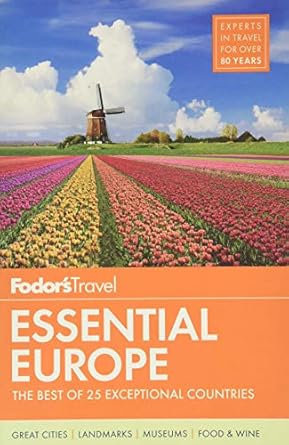
Publications from trusted sources like Rick Steves, Fodor’s, and Lonely Planet offer reliable overviews of what each destination has to offer. I still consult guidebooks at the planning stage after decades of travel.


Social Media
Pinterest and Instagram are useful research tools, particularly for getting a visual sense of a destination and discovering smaller cities and towns that don’t always make the front page of travel guides.
Also, search for travel groups on Facebook. These groups can be an invaluable source of information. Travelers post frequently about their experiences and make useful recommendations.
Some of my favorite Facebook travel groups include:
Artsy Traveler Destination Guides
The Artsy Traveler destination guides focus specifically on arts and culture travel. If I’ve covered somewhere you’re considering, start there.
Also check out my new Perfect Day itineraries now available to download.
Google remains invaluable for specific searches like “best museums in Seville,” “classical music festivals in Austria,” or “art galleries in Edinburgh.”
Compile Your Itinerary
As you research, start adding destinations to your itinerary spreadsheet. Don’t worry about order or logistics yet. At this stage you’re simply capturing possibilities. The revising comes later.
This phase of trip planning is enjoyable precisely because you’re not yet needing to make hard decisions. Spend time here.
Some of the best travel discoveries come from an unexpected search result or a photo that stops your scrolling.
A Personal Note
Many of our European trips are shaped in part by my husband Gregg’s exhibition schedule. When he’s showing his paintings in a particular city, we build the trip around those dates and location, and then expand outward from there.
It’s a wonderfully focused way to plan, and it has taken us to places we might never have chosen otherwise.
If you have a similar anchor, whether it’s a friend’s wedding in Copenhagen, a family reunion in Ireland, or a festival you’ve committed to attending, use it.
An anchor date is a gift to the planning process, not a constraint. Start there and let the rest of the trip grow around it.
Book Ahead for Peak-Season Travel
Europe’s most popular destinations fill up fast, particularly in summer. Accommodation, timed museum entries, and major performances often sell out months in advance. The Uffizi in July will not wait for you to get around to booking.
For arts-focused travelers this is especially important. A sold-out concert or a fully booked exhibition doesn’t have a Plan B the way a restaurant does.
If a specific cultural experience is driving your destination choice, treat the ticket as your first booking, not your last.
Also consider pairing major cities with smaller, lesser-known destinations nearby. You’ll often find the same quality of cultural experience with a fraction of the crowds, and your wallet will thank you.
Step 5: Find Events, Exhibitions & Tours
This is the step that puts the artsy into Artsy Traveler, and it’s my favorite part of the planning process.
Once you know where you’re going, start researching what’s happening while you’re there.
This research is what transforms a good trip into a great one.
Exhibitions and Museums
Go directly to the websites of the museums and galleries on your list. Don’t rely on guidebooks for current exhibition information because guidebooks are out of date the moment they’re printed.
Check what’s on, when it opens, whether timed entry is required, and how far in advance tickets are released.
I wanted to see a specific exhibition at the Rijksmuseum on a recent trip to Amsterdam. Tickets had been released six weeks earlier and were already sold out for the dates I’d planned to be there.
A quick itinerary adjustment solved the problem, but only because I checked early enough to make it.
Major institutions to check directly include the Uffizi, the Louvre, the Rijksmuseum, the Prado, the British Museum, and the Musée d’Orsay, among many others. Each has its own ticketing system and its own release schedule for timed entry slots.
Performances and Concerts
Search for concerts, opera, and theater using terms like “concerts in Vienna,” “opera in Milan,” or “theater in London.” Then go directly to the venue websites to check schedules and book tickets.
Venues worth checking include the Vienna Philharmonic, the Berlin Philharmonic, the Royal Albert Hall, and opera houses in cities across Europe. For more about concert venues in Europe, see my post Where to See Memorable Concerts & Performances in Europe.
For theater, London remains one of the world’s great theater cities and is considerably better value than New York. Every time I visit London, I set aside time to take in as many performances as my schedule allows.
On a recent solo trip to London, I managed to see three shows in two days.
If you’re flexible about what you’d like to see, you can check availability the day before a performance and get good last-minute seats. I once got great seats at a discounted price for Mamma Mia in London by going to the theatre the day before the performance.
Be warned, however, that this strategy is becoming riskier for major shows that frequently sell out in advance.
On one trip to England I wanted to see a specific Royal Shakespeare Company production in Stratford-upon-Avon. When I checked the website, I discovered that the performance I wanted was on the day after I planned to visit.
I rejigged my itinerary until I could make it work, and caught an excellent production of Richard III.
The lesson is simple: check early, be prepared to adjust, and don’t assume availability.
Day Tours
Even committed independent travelers benefit from the occasional guided day tour. For countryside excursions when you’re based in a city without a car, a small group day tour is often the most practical option.
GetYourGuide and Viator are my go-to resources for finding well-reviewed day tours and experiences across Europe.
Filter by destination, activity type, and group size to find options that suit your travel style. Small group tours are almost always worth the modest premium over large group options.
Timed Entry: Book Before You Go
Timed entry is now standard practice at most major European museums and attractions, not the exception. Waiting until you arrive at your destination will often mean missing out entirely, particularly in summer.
Once you’ve identified must-see exhibitions and attractions, check timed entry requirements immediately and block those slots into your itinerary before finalizing anything else.
The Uffizi, the Colosseum, the Anne Frank House, Sagrada Familia, and dozens of other major sites require advance booking. Treat these bookings as fixed points in your itinerary and plan everything else around them.
Step 6: Calculate Transportation Needs
Getting around Europe requires some planning, but the options are better than ever for independent travelers. This step is about mapping out the logistics that connect your cultural itinerary.
Flights
If you’re traveling to Europe from North America, your first decision is which city to fly into and which to fly home from.
I’m a strong advocate for the open-jaw itinerary, which means flying into one city and home from another. You save travel time, cover more ground, and avoid the tedious business of retracing your steps to your starting point.
We generally fly to Amsterdam and then fly home from somewhere in the south, such as Nice or Lisbon. The cost of open-jaw tickets is often not much more than a standard return fare.
For comparing fares before you book, Google Flights and Skyscanner are reliable tools for getting a picture of what’s available and at what price.
Car Rental
Renting a car makes sense for two or more people traveling together, particularly for rural areas and smaller destinations not well served by public transit.
For arts-focused travelers, a car opens up regional museums, smaller galleries, and cultural sites that trains simply don’t reach.
I estimate about €90 per day for car rental and another €55 per day for gas when you’re doing long point-to-point drives. Factor in toll costs as well, which can range from €10 to €50 per day depending on your route.
Gas costs vary across the continent but budget around €2.00 per liter on average.
If your itinerary is a circle tour, picking up and dropping off in the same location saves money.
If you’re doing a one-way route, factor in the drop-off surcharge and compare it against the cost of additional travel days needed to return to your starting point.
We almost always find the surcharge is the better deal.
Find car rental options through AutoEurope, and read my Driving in Europe guide for everything from country-by-country driving rules to navigating toll systems.
Rail Travel
Train travel in Europe is a pleasure, particularly on high-speed routes.
The big decision is whether to buy a rail pass or pay for point-to-point tickets, and the answer depends entirely on how far you’re traveling and how many journeys you’re making.
A Eurail Global pass makes sense for long-distance multi-country travel; for example, Stockholm to Rome within a single trip. Pass costs vary by the number of travel days, class of travel, and age.
Note that Eurail passes must be purchased before you leave for Europe, and pass holders are often required to purchase seat reservations separately, which adds to the overall cost.
Use the Rail Europe site to price out individual journeys and compare the total against the cost of a pass before committing.
Private Transfers
For travel between cities or from airports to city centers, Daytrip.com is worth considering. They offer private transfers with local drivers across Europe, which is particularly useful when you’re arriving in an unfamiliar city with luggage, jet lag, and no desire to navigate public transit.
Ferries
If your itinerary crosses water, such as Italy to Greece or between Scandinavian countries, check ferry schedules and fares early. Confirm departure points, times, and booking requirements and enter the details into your itinerary spreadsheet. Popular ferry routes fill up in summer.

Step 7: Revise and Replace
This is the step where your itinerary stops being a wishlist and starts becoming a trip.
How long you spend here depends on what you discovered in Steps 5 and 6.
I’ve been known to spend several weeks jigging and rejigging an itinerary until I’m satisfied that I’ve squeezed in the maximum number of concerts, exhibitions, and theater performances possible without tipping over into exhaustion.
Slow Down
Err on the side of spending more time in a destination rather than less.
Wherever possible, plan to spend at least two nights and preferably three or four in a destination that has a rich cultural calendar.
A city like Vienna or Florence rewards the traveler who stays long enough to settle in, find a favorite café, and return to a museum twice.
Build in rest. When I’m in a big city, I often return to my hotel in the afternoon for a restorative nap before venturing out for dinner and an evening performance.
Prioritize Your Cultural Non-Negotiables
As you revise, keep your must-have cultural experiences fixed and adjust everything else around them. If the Avignon Jazz Festival is the reason you’re going to the south of France, that date doesn’t move. The hotel booking in Avignon is the thing that shifts.
This is also the stage where you discover conflicts you didn’t anticipate.
The museum you wanted to visit is closed on Mondays. The concert you’d planned around falls on the same evening as a performance you’ve already booked in the next city. The exhibition ends two days before you arrive.
Catching these conflicts now, at your desk, is considerably less stressful than catching them in Europe.
Consider Sustainability
As you refine your itinerary, consider where and how your travel choices affect the destinations you’re visiting. Many of Europe’s most beloved cities are struggling with overtourism, particularly in summer.
Slowing down is itself a sustainable choice.
Staying longer in fewer places, choosing locally owned accommodation, visiting popular attractions during off-peak hours, and including smaller towns alongside major cities all reduce pressure on overcrowded destinations while giving you a richer experience.
The traveler who spends four days in Siena rather than four hours sees a completely different city.
Common Mistakes to Avoid
- Trying to visit too many destinations: Fewer places and longer stays almost always produce a better trip. This bears repeating because almost every first-time planner ignores it.
- Underestimating travel time: A two-hour train journey becomes a half-day event once you factor in packing, transfers, and settling into your next accommodation. Build buffer time between destinations.
- Skipping rest days: A day with nothing scheduled is not wasted. It’s often the day you stumble into the small gallery that turns out to be the highlight of the trip.
- Not budgeting for the unexpected: Europe is not cheap, and things go sideways. You could miss a train, find a museum closed when the website said it was open, and decide to stay an extra night somewhere wonderful. Leave financial and scheduling breathing room for all of the above.
Staying Flexible
The best-planned itinerary is one you’re prepared to abandon, at least in part, when circumstances change.
Build flexibility into your transportation and accommodation bookings from the start. Choose refundable options where possible, know your cancellation windows, and resist the temptation to lock everything down so tightly that a single disruption unravels the whole trip.
We learned this lesson in Madrid. We were scheduled to pick up a rental car at the crack of dawn and drive six hours south to Cordoba. Overnight, both of us came down with nasty colds. The thought of six hours behind the wheel did not appeal.
Because we had booked a refundable car rental, I was able to cancel without penalty a few hours before pickup and buy train tickets instead. The other people on the train may not have appreciated the hacking and coughing, but at least we could doze off before arriving in Cordoba.
The trip continued without missing a beat. It would have been a very different story with a non-refundable booking.
Step 8: Book Accommodations
Once your itinerary is reasonably settled, start researching and booking accommodation.
I say “reasonably settled” because I never consider an itinerary truly final until I’m home from the trip. I frequently adjust plans on the road after discovering a new exhibition, hearing a recommendation from a fellow traveler, or simply deciding I want to stay somewhere longer.
Book Refundable, Book Early
Whenever possible, choose accommodation with free cancellation. Travel plans shift for all kinds of reasons: a concert date moves, a museum closes unexpectedly, or you fall in love with a city and want an extra night.
Flexible bookings give you room to maneuver without financial penalty.
The strategy I use: book refundable accommodation early to secure the best options, then review closer to the travel date. If your plans are confirmed and a non-refundable rate is significantly cheaper, switch. If anything is still uncertain, keep the flexible booking.
I use booking.com as my primary tool for finding and booking accommodation across Europe. Use the free cancellation filter from the start and don’t assume the cheapest rate is the best rate.
A hotel that’s five minutes from the concert hall you’re attending three evenings in a row is worth paying a little more for.
Where to Stay: Location Matters for Cultural Travelers
For arts-focused travelers, accommodation location deserves more thought than it typically gets.
Staying within walking distance of the museums, galleries, concert halls, and theater districts you’re visiting saves time, reduces transportation costs, and means you can duck back to your hotel between a museum visit and an evening performance.
When I’m planning a trip around a specific cultural event, I always check the venue location before I book accommodation and choose something within comfortable walking distance.
Arriving at a concert hall on foot, unhurried, is a considerably more pleasant experience than arriving by taxi with three minutes to spare.
Hotels vs. Apartments
As covered in Step 1, apartments offer more space, the option to cook some meals, and the experience of living in a neighborhood rather than a tourist district.
For stays of four nights or more in a single destination, an apartment is almost always worth considering.
For shorter stays, or when you want the flexibility of daily housekeeping and a reception desk, a hotel makes more sense.
Match the accommodation type to the length of your stay and your travel style.
Finding the Best Options
Use the map below to find and compare accommodation options across Europe. The map pulls together hotels, apartments, and other options in one place, making it easy to compare location, price, and availability at a glance.
For more detailed advice on choosing accommodation in Europe, read my post on Finding the Best Accommodation in Europe.
Step 9: Book Transportation
With your accommodation secured and your cultural bookings confirmed, it’s time to lock in transportation. The sequencing matters: don’t commit to non-refundable flights or train tickets until your key dates are fixed, but once they are, book immediately.
Good fares and reservation slots disappear fast.
- Book flights directly with your airline.
- Book car rentals early and confirm your cancellation window.
- Buy Eurail passes before you leave home, and note that point-to-point train tickets are typically only available three to six months before travel.
One final check before you consider this step done: make sure your transportation bookings and your cultural bookings are aligned.
A train ticket to Florence is only useful if your Uffizi timed entry is confirmed for the same day. Think of them as a matched pair and treat any gap between them as unfinished business.
Trip Planning FAQs
Start planning at least six months out for summer travel, nine months if your itinerary includes popular destinations, major festivals, or specific cultural events. The earlier you start, the more options you have for accommodation, timed entry tickets, and performance bookings. For shoulder season travel (spring and fall), four to six months is usually sufficient, although earlier is always better for the best accommodation choices.
For mid-range independent travel, budget €125 to €165 per person per day, excluding flights and transportation. A month-long trip for two people will realistically cost closer to €12,000 once you factor in all expenses. Eastern Europe is less expensive than western Europe, and basing yourself in one location for several days costs less than moving every day. See Step 1 for a full cost breakdown.
Go directly to the websites of the museums, concert halls, opera houses, and theaters you want to visit. Search terms like “concerts in Vienna in October” or “exhibitions in Paris in June” will surface event listings. For performances, check venue websites rather than relying on aggregators, which are often incomplete. See Step 5 for a full breakdown of how to research cultural events.
Yes, for any major museum or attraction that requires timed entry. The Uffizi, the Colosseum, the Anne Frank House, Sagrada Familia, and dozens of other top European sites sell out weeks or months in advance, particularly in summer. Waiting until you arrive risks missing out entirely. Check timed entry requirements for every major attraction on your list and book as soon as slots become available.
Book directly through the venue website wherever possible. Most major concert halls and opera houses release tickets months in advance and sell out quickly for popular programs. For theater in London, you have more flexibility since productions run for extended seasons, but new and popular shows still sell out. If you’re flexible about what you see, checking availability the day before a performance can sometimes yield good last-minute seats at reduced prices, although this strategy may be unreliable for major productions.
It depends on how far and how frequently you’re traveling by train. A Eurail Global pass makes sense for long-distance multi-country itineraries. For shorter regional travel or home-basing in one area, point-to-point tickets are usually better value. Use the Rail Europe site to help you determine costs.
Fewer than you think. Two to three countries in a month allows for the kind of depth that makes European travel rewarding, and you can always come back.
A combination works best for most travelers. Home-base in a culturally rich city for four to five nights, make day trips into the surrounding region, and then move on. This approach costs less than moving every day, gives you time to settle into a place, and allows you to attend multiple performances or revisit a museum you loved without feeling rushed.
Yes. Phones die, connections fail, and a paper itinerary has saved more than one trip from turning into an expensive guessing game. Print at least two copies before you leave and keep one in your carry-on and one in your checked luggage.
Complete Your Itinerary
In the weeks before your trip, fine-tune your itinerary so it becomes your personal guidebook as you travel around Europe.
Enter every possible detail, including contact information for all your hotels, information about your car rental and train trips, performance times for events, etc.
Format the itinerary so it’s easy to read and then print a few copies.
You never know when you’ll hop into a taxi to be taken to your hotel only to find your phone has died. If your driver doesn’t speak English, you can pull out your paper itinerary, point to the address and, voilà! You’re on your way.
By the time I return from a European trip, my paper itinerary is in tatters. Now, that’s a trip well taken.
Keep Planning the Perfect European Trip with Artsy Traveler
Here are more of my Travel Smart posts to help you plan and enjoy traveling in Europe (and beyond):
- Finding the Best Accommodation in Europe: My Top Tips
- Driving in Europe: Top Tips for Happy & Safe Travel
- Smart Green Travel: Practical Ways to Travel Sustainably
- How to Travel and Stay Healthy in Europe: Practical Tips for Avoiding Illness on the Road
- How to Eat Well in Europe: Dining Tips and Smart Splurges
- Solo Travel Tips for Women: How to Explore Art & Culture on Your Own Terms
Would you like to save this post?

Carol M. Cram writes novels inspired by the arts; runs Artsy Traveler, an arts-focused travel blog, and Art In Fiction, a curated database of 2,700+ novels inspired by the arts; and hosts The Art In Fiction Podcast. She has also authored 60+ textbooks on computer applications and taught at Capilano University for over two decades. Carol lives with her husband, artist Gregg Simpson, on beautiful Bowen Island near Vancouver, BC.

 See all my novels


One Comment