
San Gimignano: Top Things to See in Tuscany’s Tower Town
I'm Carol Cram, novelist and arts travel writer, and founder of Art In Fiction, a curated database of 2,700+ novels inspired by the arts. Artsy Traveler contains affiliate links for products and services I personally use and recommend. As an Amazon Associate, I earn from qualifying purchases. Please read the Disclosure for more information.
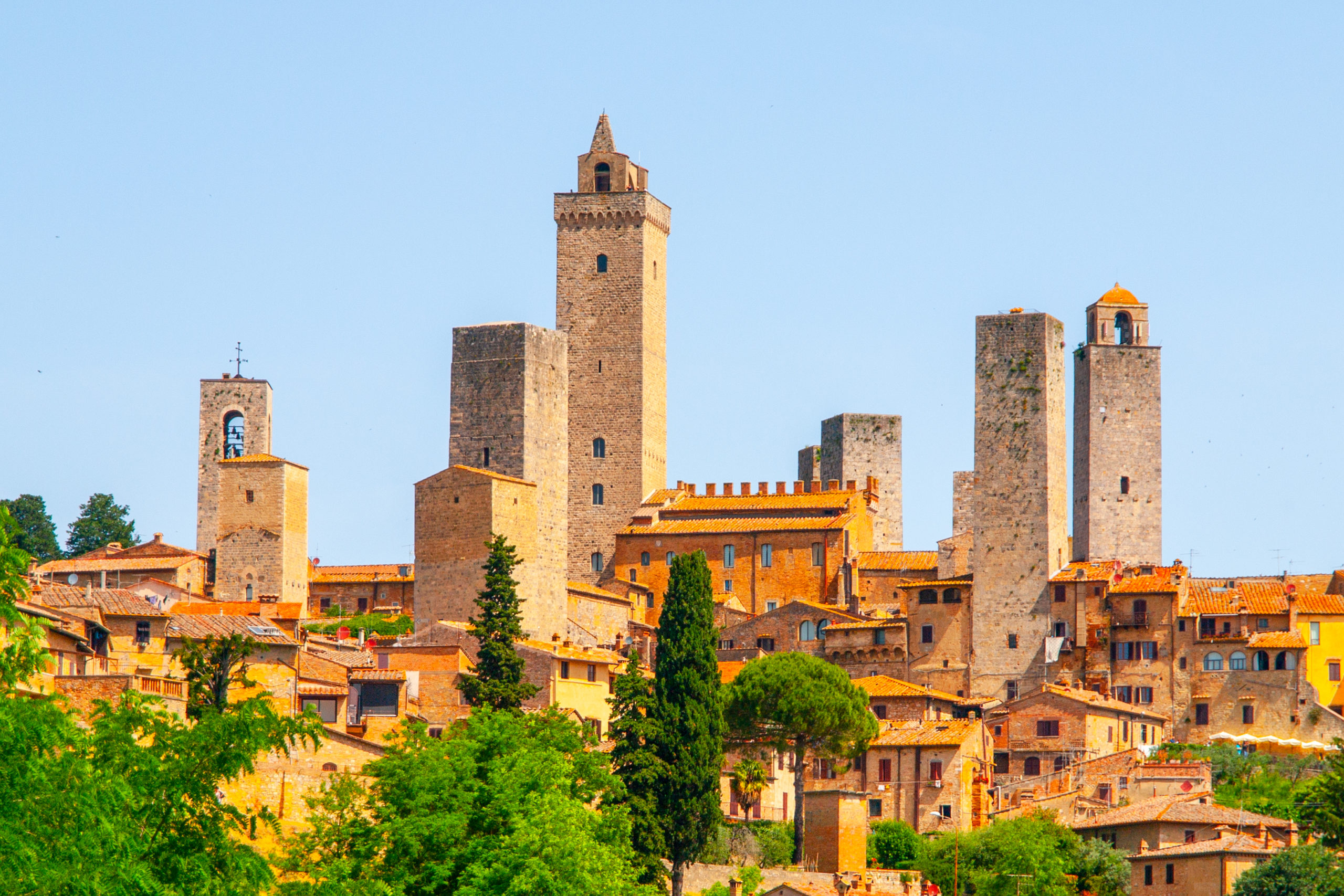
Known as the City of Towers, the medieval town of San Gimignano is an entrancing place that I never tire of exploring.
Yes, plenty of crowds surge through the town, especially on hot summer days, and you’ll also find loads of tourist dreck in the shops.
But, unlike some of Italy’s most visited cities (think Florence), San Gimignano manages to retain its medieval charm.
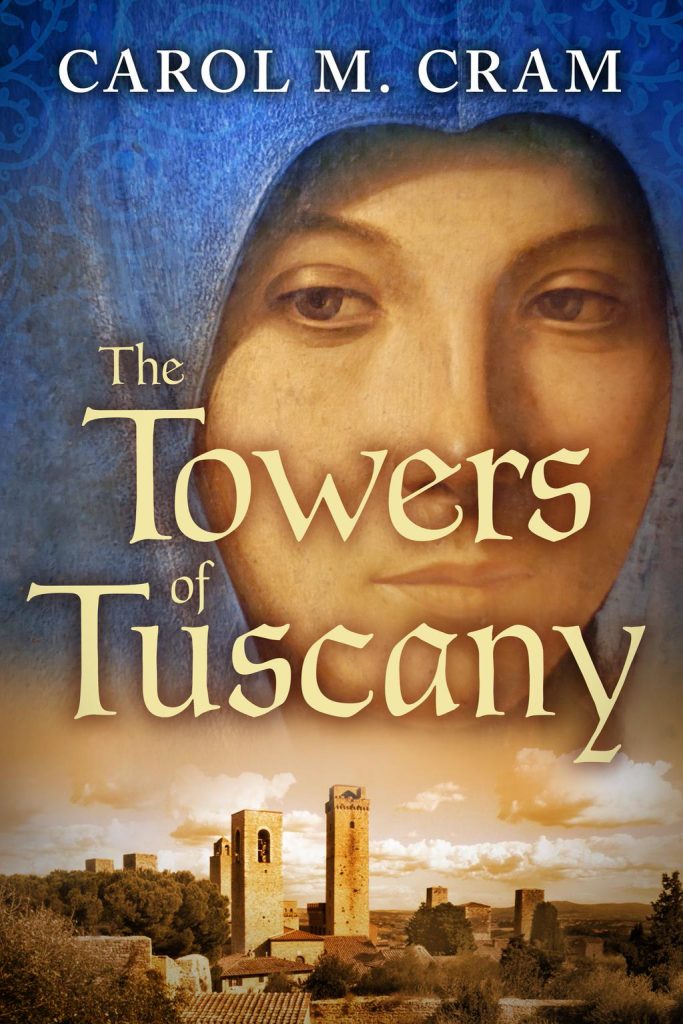
I’ve visited the town numerous times and even set my first novel there (The Towers ofTuscany) and I’ve never stopped loving it.
In this post, I share what I consider to be the best things to do in San Gimignano, even if you only have one day. If at all possible, stay at least one night (and preferably two).
Visit some of my suggested highlights on the first afternoon, and then in the evening dine at one of the town’s many excellent restaurants before wandering through almost deserted medieval streets. The next morning you can tackle more highights before the tour buses roll in.
Table of Contents
- San Gimignano at a Glance
- Why Visit San Gimignano?
- Map of San Gimignano
- Welcome to the 14th Century
- The Towers of San Gimignano
- San Gimignano 1300
- About The Towers of Tuscany
- Frescoes, Frescoes, and More Frescoes
- Torre Grossa
- Sampling Vernaccia di San Gimignano
- San Gimignano at Night
- When to Visit San Gimignano
- One-Day San Gimignano Itinerary in Brief
- Tours to San Gimignano
- San Gimignano FAQs
- Keep Exploring Italy with Artsy Traveler
Must-See Highlights of San Gimignano
- Piazza della Cisterna – the photogenic heart of the town
- Piazza del Duomo – surrounded by the tallest surviving towers
- Torre Grossa – the best panoramic view in Tuscany
- Collegiata (Duomo) – incredibly stunning fresco cycles by Ghirlandaio, Bartolo di Fredi & Taddeo di Bartolo
- Sant’Agostino Church – Benozzo Gozzoli’s life of St. Augustine fresco cycle
- Palazzo Comunale + Pinacoteca – medieval paintings with secular themes (unusual), Lippo Memmi’s Maestà
- Rocca Fortress Gardens – quiet viewpoint above the town
- Via San Giovanni – main street with shops, artisan ceramics, and gelato
- Vernaccia Wine Experience – regional DOCG white-wine tasting
- San Gimignano 1300 Museum – model showing how the town looked with its original 72 towers: one of my favorite sites in San Gimignano
San Gimignano at a Glance
- Visit San Gimignano 1300 and find out what the town looked like in the 14th century.
- View the marvelous frescoes in the Museo Civico and the Duomo.
- Climb the Torre Grossa to see stunning views of the Tuscan countryside.
- Spend an evening in the town at one of the many gourmet restaurants.
- Stay in a place outside the city with the view of the towers: the Hotel Pescille is a great bet (I’ve stayed there three times).
Why Visit San Gimignano?
Because it’s stunning and historical and just so darn medieval. And yes, it’s crowded and overcommercialized.
But even if you visit San Gimignano on the most tourist-heavy days, you need only walk a few paces away from the main thoroughfare (Via San Giovanni) to find yourself virtually alone in a quiet back street.
You’ll hear birds twittering and watch a local sweeping her front stoop.
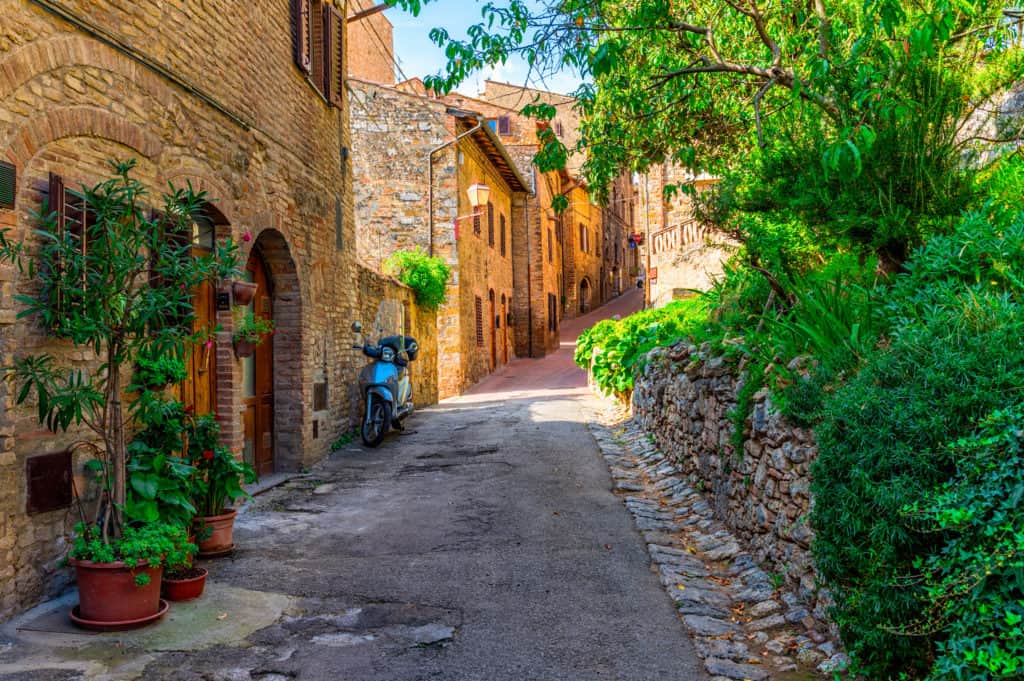
The heaving, sweating, shopping masses of humanity packing the piazzas and dripping gelato on the cobblestones are a distant memory.
So when you visit, get off the main streets and explore the small back streets and alleys, especially atmospheric at night. You’ll have the place to yourself.
Map of San Gimignano
Here’s a map of San Gimignano. It’s a very small and walkable city. You can cross it from gate to gate in about fifteen minutes. Also included on the map are the locations of my three recommended hotels.
How to Get to San Gimignano
San Gimignano is about a 45 minute drive or a two-hour bus ride from Florence. Touring Tuscany by car is probably the best way to see the countryside.
When you arrive, park in one of the parking lots at the base of the town. As you enter San Gimignano, you’ll see signs telling you which parking lots have spaces available. The town is well prepared for the daily onslaught of visitors.
From the parking lots, take the elevator up as far as it goes (not far) and then take the short walk into the historic centre of San Gimignano.
Welcome to the 14th Century
You’re in the 14th century. Your long gown swishes around your legs and you listen for the bells that divide your days and regulate your life.
If you’re a woman, you might be on your way to the baker for a loaf of fresh bread or to the church to make confession. If you’re a man, you could be meeting a kinsman to settle a festering vendetta or to chat with a fellow guild member about the crocus trade.
In the Middle Ages, much of San Gimignano’s wealth came from the cultivation of saffron from the stamens of crocuses. Also lucrative was textile manufacturing and the production of Vernaccia, a lovely white wine still produced today (it’s very good.).
Walk up to the ruined fortezza. There, you’ll enjoy this stunning view of the towers.
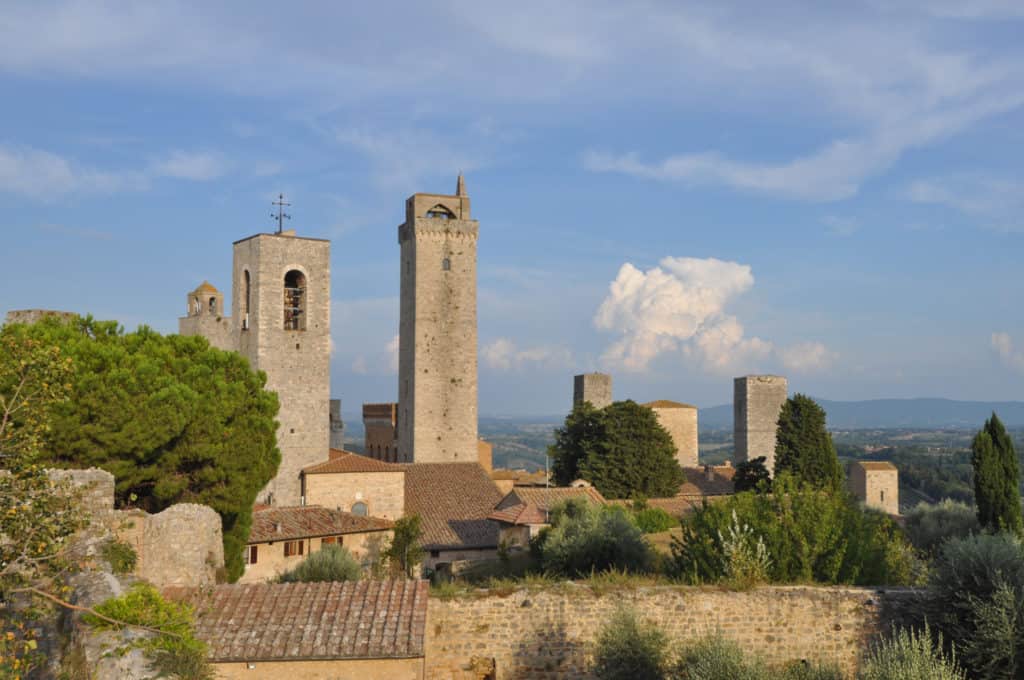
When you walk the back streets of San Gimignano in the 21st century, you’re only an ounce of imagination away from the Middle Ages.
The Towers of San Gimignano
San Gimignano is famous for its towers. In fact, the town is often referred to as the Tuscan city of towers because 14 medieval towers still stand to this day. In its heyday in the 14th century, over 72 towers dominated its skyline.
But even with only 14 towers, San Gimignano is one of the most beautiful medieval towns in all of Italy.
Why So Many Towers?
Every medieval city had towers back in the day, but San Gimignano is unique because so many of its towers remain.
Why so many towers? We can safely assume that the medieval merchants didn’t build them to give 21st-century tourists something to point their iPhones at.
Wealthy citizens frequently competed with each other to build the tallest towers above their homes. In fact, the Podesta passed a law prohibiting any private citizen from building a tower higher than the Torre Grossa, the municipal hall which survives to this day.
The citizens of San Gimignano were a bellicose lot who sometimes attacked and destroyed towers belonging to their rivals.
The family feuds that form the basis of the Romeo and Juliet story were definitely not fiction. Vendetta and its accompanying violence were all-too-common ways to resolve differences.
History of San Gimignano
The Etruscans first settled San Gimignano in the 4th century BC, but significant growth did not occur until 1000 to 1200. Thanks to its proximity to the Via Francigena, a major route across Italy, San Gimignano was an important stopover for travelers, pilgrims, and merchants.
The town became steadily more prosperous until it declared itself a free Commune in 1199.
In 1300, the poet Dante Alighieri came to San Gimignano, and in 1317 the famous painter Lippo Memmi opened a workshop. With his father, Lippo Memmi painted a fresco cycle in the town hall that you can see today.
I include the frescoes in my post on Art Masterpieces in Tuscany You Don’t Want to Miss and below.
San Gimignano grew and prospered until the mid-14th century. Then, in 1348, the town was devastated by the plague, also known as the Black Death. More than half of the population died in a six-month period.
Following the pestilence that also ravaged most of western Europe, San Gimignano never recovered its former glory and at the end of the 14th century was finally obliged to submit to Florentine rule.
The town’s website provides an excellent overview of San Gimignano’s rise and fall over the centuries. The town is now a UNESCO World Heritage site.
What To See and Do in San Gimignano
San Gimignano’s main attraction is the town itself: the cobbled streets, the towers, and the Tuscan ambience. But you’ll also find several worthwhile attractions to explore, including my favorite, San Gimignano 1300.
San Gimignano Pass
If you’re visiting for more than a day, purchase the San Gimignano Pass, the official museum pass of the Tuscan city, offering admission to municipal museums, the Cathedral of San Gimignano and the Museum of Sacred Art, and the San Lorenzo in Ponte. The pass is valid for 2 days and is stored as a digital ticket on your phone.
San Gimignano 1300
The San Gimignano 1300 (#1) museum contains an amazing scale model of San Gimignano as it appeared in the year 1300 with its 72 towers intact.
Not long after I started writing The Towers of Tuscany, about a woman painter in the 14th century, I came across the website for San Gimignano 1300.
I could not believe my luck. Someone had very thoughtfully recreated the entire city in which much of my novel’s action takes place.
I had to see it! A few months after I found San Gimignano 1300 on the web, I was there in person. Few things get in the way of an historical novelist on a research warpath.
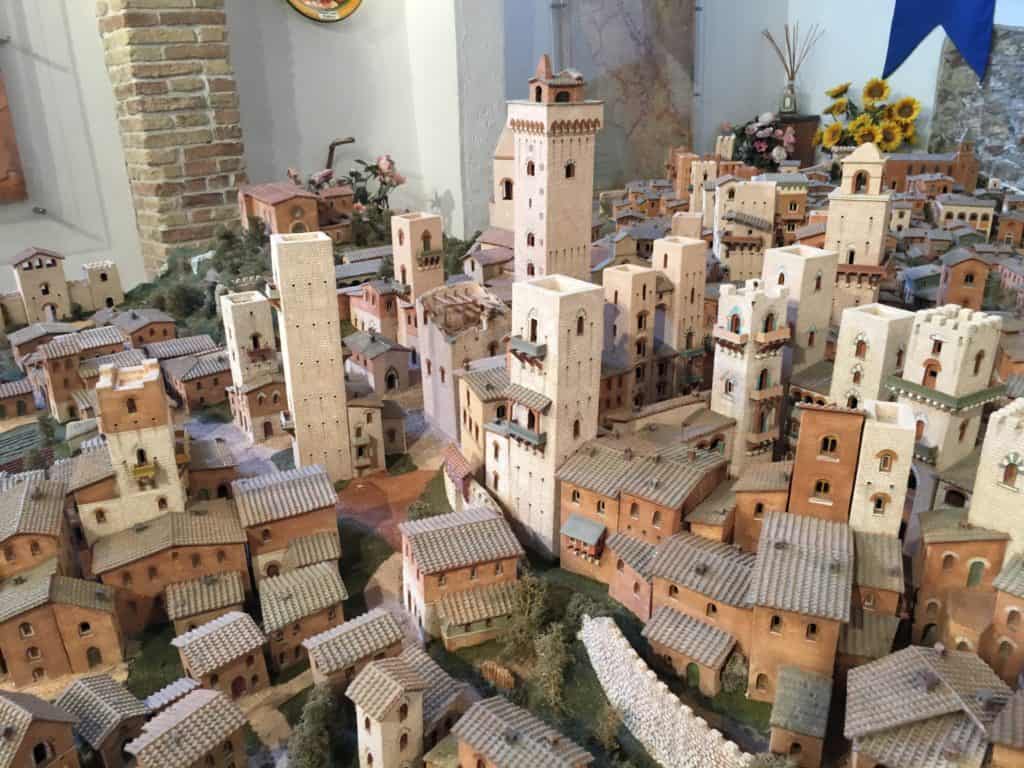
San Gimignano 1300 moved to a smaller venue a few years after I first saw it. The model is now divided into two sections, but you still get a good sense of how the city must have looked in 1300.
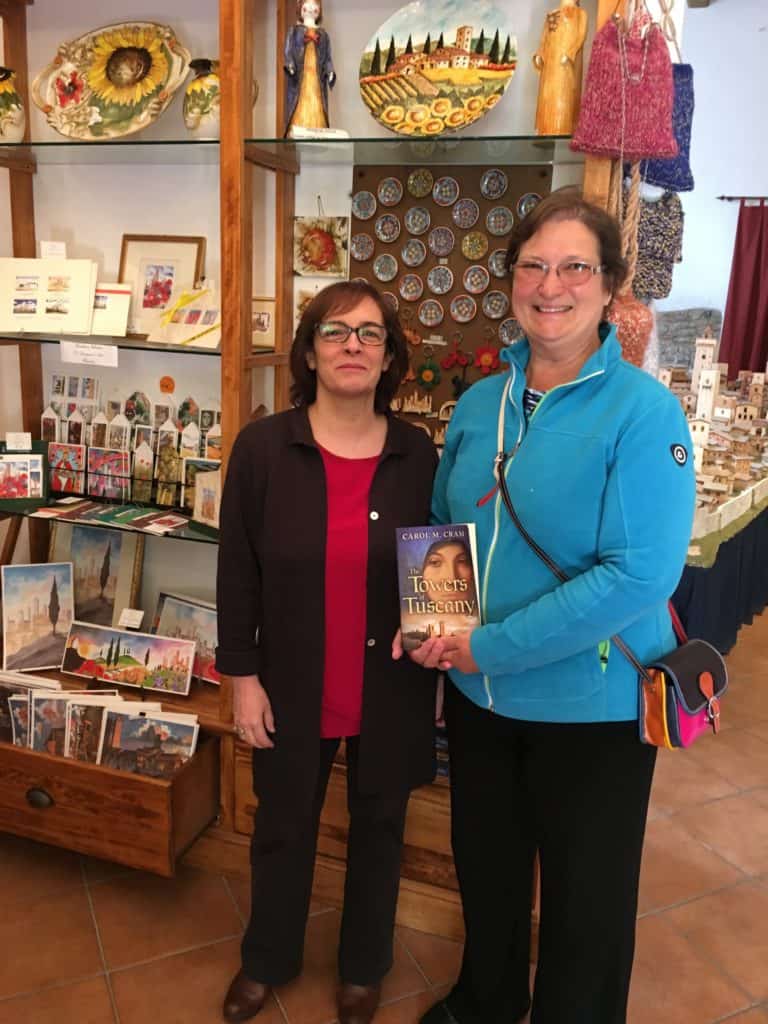
The staff at San Gimignano 1300 are lovely. I’ve returned several times in the last few years to replenish their supply of The Towers of Tuscany.
About The Towers of Tuscany
If you want to experience San Gimignano as more than a collection of towers and shops, read The Towers of Tuscany before you visit.
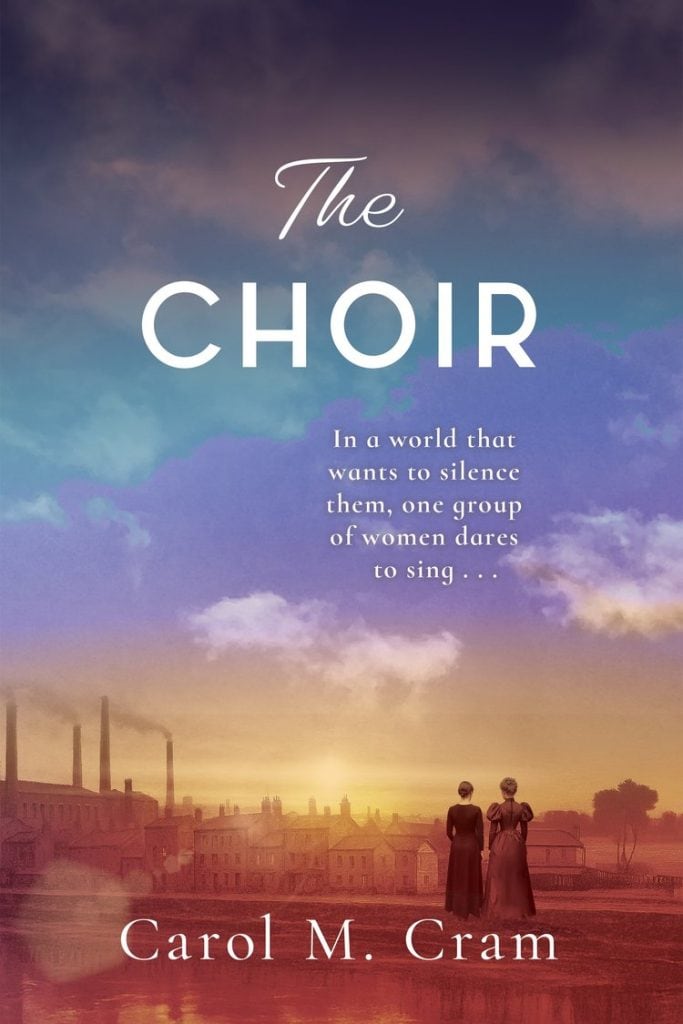
My first novel follows Sofia, a woman secretly trained as a painter in her father’s workshop at a time when women did not paint openly. When a vendetta destroys her family and a loveless marriage threatens to extinguish her gifts entirely, Sofia flees to Siena disguised as a boy, where she paints again, that is, until a nobleman notices the woman beneath the dirty smock and forces her to make a choice that nearly destroys her.
The towers, the frescoes, the saffron trade, and the vendetta culture of 14th century San Gimignano are all woven into the novel. You can find The Towers of Tuscany on Amazon, and sometimes at San Gimignano 1300 when they get new stock in.
Frescoes, Frescoes, and More Frescoes
Unlike many Italian towns, San Gimignano is stuck in a medieval time warp. Most of the best art was created during the Middle Ages rather than the Renaissance.
I’m a medieval girl at heart and prefer the flatter, more stylized work of the medieval painters to the florid, somewhat overproduced paintings of the Renaissance.
Museo Civico
The first stop for art lovers should be the frescoes in the Museo Civico. Painted by Memmo de Filippuccio and his son Lippo Memmi in 1317, the frescoes portray scenes of everyday life.
Such scenes were a rarity at a time when the vast majority of frescoes and paintings depicted religious subjects.
I like best the two scenes showing a newly married couple first enjoying a communal bath together (ooh la la) and then climbing into bed.
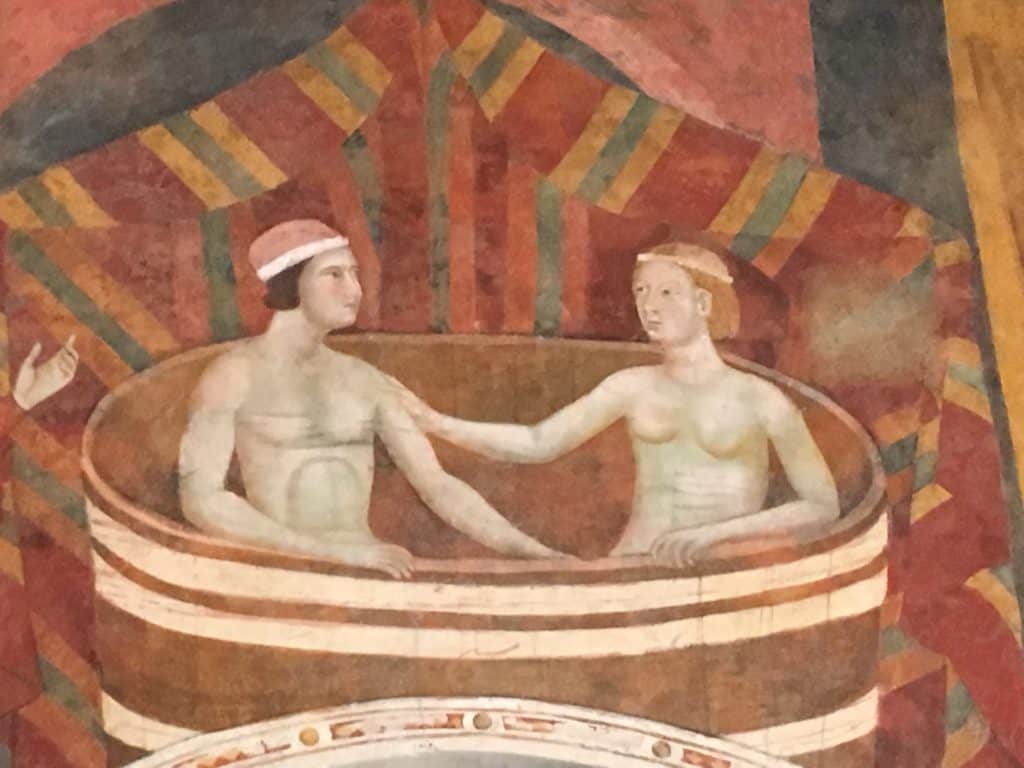
The scene depicting the couple getting into bed shows them as naked. While researching The Towers of Tuscany, I learned that people often slept naked to get a break from the wee beasties that infested their heavy gowns. Also, I imagine that summers in San Gimignano were as hot in the 14th century as they are today.
Tip: Always get a hotel with air conditioning between May and October.
Another fabulous fresco in the Museo Civico is The Maestà by Lippo Memmi. Commissioned in 1317, the fresco is said to have been inspired by Simone Martini’s Maestà from the Palazzo Pubblico in Siena.
The fresco shows Mary seated on a throne surrounded by adoring saints and angels.
Frescoes in the Cathedral of San Gimignano
Other frescoes worth seeing in San Gimignano cover the walls of the cathedral (the Duomo – #2) in the Piazza Duomo in the town center.
One set, painted by Bartolo di Fredi in 1356, depicts scenes from the Old Testament. I particularly like the figure of Noah lying drunk on the ground, his gown open to reveal that he is definitely not wearing his boxer shorts. There’s nothing new under the sun.
Another set of frescoes depicting Hell was painted by Benozzo Gozzoli in 1465. The frescoes are terrifyingly realistic. You might want to avoid them if you’re traveling with children.
Also noteworthy is the Annunciation by Domenico Ghirlandaio painted in 1482.

Frescoes in Sant’Agostino
The fresco cycle of St. Augustine by Benozzo Gozzoli that covers the walls of Sant’Agostino in a quiet corner of San Gimignano is breathtaking. Here’s one panel depicting St. Augustine teaching in Rome. Check out the sumptuous colors and how the folds of the gowns are depicted.

Torre Grossa
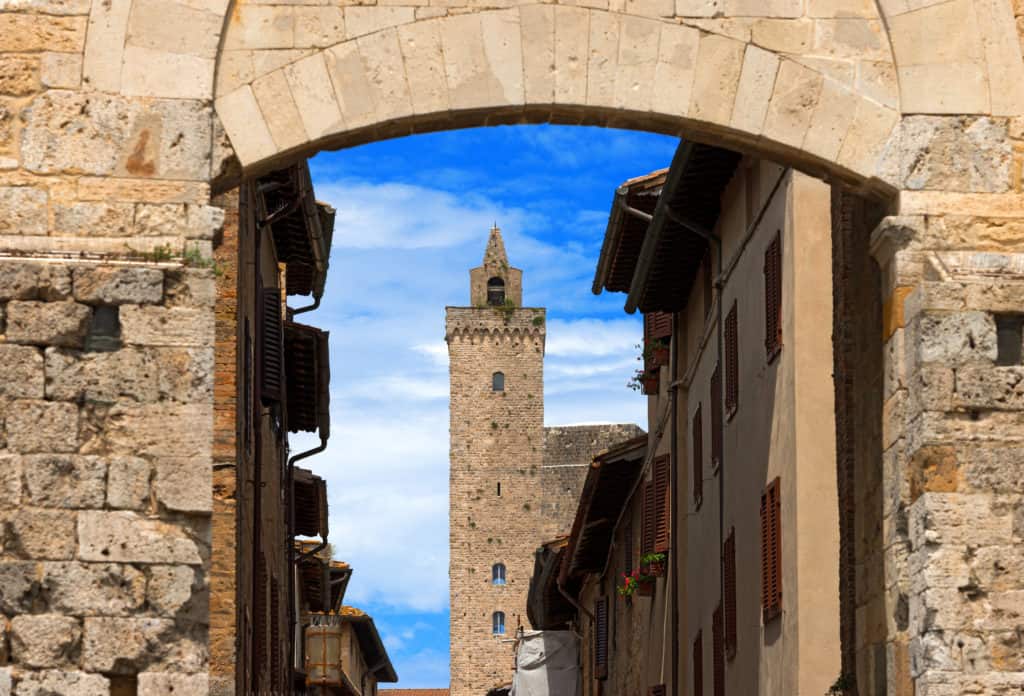
The tallest tower in San Gimignano, at 54 meters (178 feet), is the Torre Grossa (#3), part of the Palazzo Comunale where the Museo Civico is housed.
It’s worth the effort to climb to the top and see the stunning view. If it’s a fine day, go early or late to avoid the crowds.
Here’s an option for tickets to the Torre Grossa and the Duomo:
Sampling Vernaccia di San Gimignano
No visit to San Gimignano is complete without a glass of Vernaccia di San Gimignano, the crisp white wine produced exclusively in the hills surrounding the town.
Vernaccia was Tuscany’s first wine to receive DOCG status, which is the highest classification in the Italian wine system. The wine has been produced in the San Gimignano area since at least the 13th century, which means my Sofia in The Towers of Tuscany probably drank it. Dante certainly mentioned it, which is a pretty cool endorsement.
The wine is dry and mineral-driven with a pleasantly bitter finish, and pairs beautifully with light pastas, dishes featuring saffron, and the sheep’s milk cheeses produced throughout the region.
You’ll find Vernaccia everywhere in San Gimignano, from casual wine bars to the dedicated tasting rooms along Via San Giovanni. Skip the tourist-facing shops on the main street and find a quieter enoteca where you can sit down and taste properly.
The Vernaccia di San Gimignano Wine Experience museum in the Rocca fortress is also worth a visit. Not only will you learn about the wine, you’ll enjoy iconically Tuscany views of the countryside.
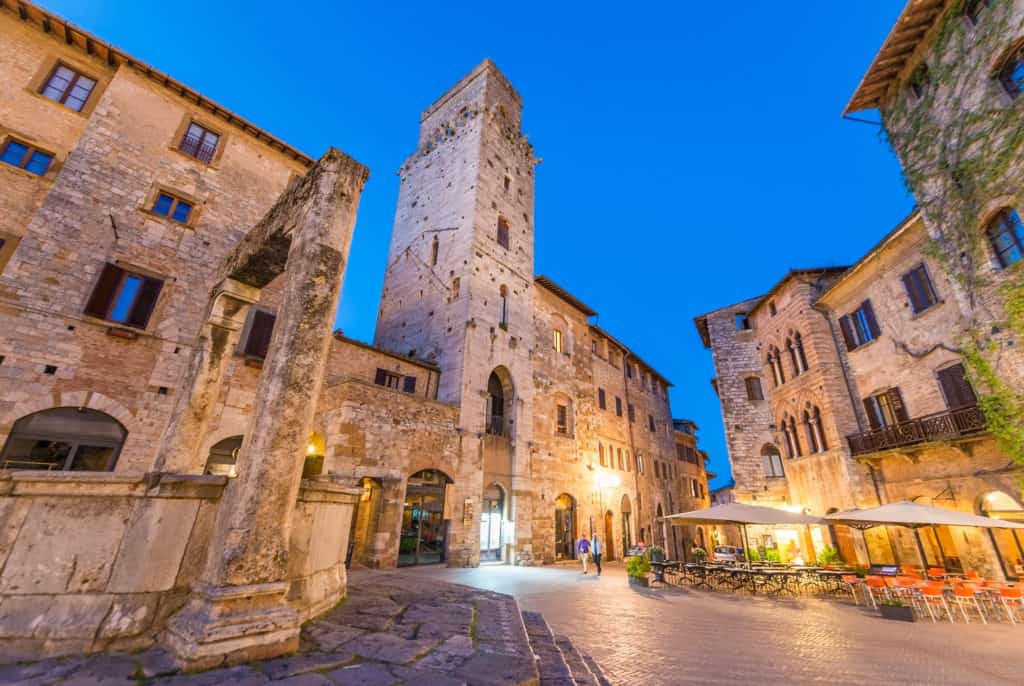
San Gimignano at Night
Ahhhh…. The tour buses have puffed their way down the hill, the shops are shuttered, and peace descends.
Thanks to floodlit towers, the darkness never gets close to the black intensity of the olden days, but your imagination can still get a workout.
You’ll find plenty of good places to eat in San Gimignano. In recent years, the town has become something of a mecca for gourmets. And don’t forget to order a glass or two of the delightfully white Vernaccia di San Gimignano wine.
Afterwards, walk off the dinner and wine with a stroll through the fast-emptying piazzas. The later it gets, the quieter the streets become.
And, unlike in the 14th century, walking the streets of San Gimignano after dark is not dangerous. No assassins are intent on revenging a vendetta; no watchmen are standing by to clamp into irons people who ignore curfews.
When to Visit San Gimignano
The best times to visit San Gimignano are late spring when the surrounding countryside is drenched in the freshest greens imaginable and in September/October when golden light and crisp days make sightseeing a pleasure.
Just remember to pack a rain jacket and a sweater.
One-Day San Gimignano Itinerary in Brief
Morning – Arrive early, explore Piazza della Cisterna and the frescoes in the Duomo frescoes, and visit San Gimignano 1300.
Late Morning – Climb Torre Grossa.
Lunch – Savor a Tuscan lunch + Vernaccia tasting
Afternoon – Visit the Museo Civico to check out the frescoes and then stroll Via San Giovanni and climb up to the Rocca fortress viewpoint.
Late Afternoon – Enjoy a gelato on Piazza della Cisterna and browse the artisan shops.
Evening – Take golden-hour photos of the towers, then treat yourself to a gourmet dinner (make reservations) and wander the fast-emptying streets before returning to your hotel.
Here’s a draft — you’ll need to verify all the specifics:
Practical Information for Visiting San Gimignano
Getting There
San Gimignano is about 45 minutes by car from Florence or Siena. If you’re not driving, buses run regularly from Siena’s Piazza Gramsci. If you’re coming by bus from Florence, you’ll need to change in Poggibonsi.
Having your own wheels is best because you can stay in one of the rural places outside the town and also explore other beautiful Tuscan towns such as Montepulciano, Monteriggioni, and Volterra.
Book car hire through Auto Europe for the best rates.
Parking
Park in one of the paid lots at the base of the town. You’ll see signs at the entrance indicating which lots have spaces. From the lots, take the elevator as far as it goes and walk the short distance into the historic centre.
San Gimignano Pass
If you’re staying more than a day, the San Gimignano Pass covers admission to the municipal museums, the Cathedral, and the Museum of Sacred Art. Stored digitally on your phone, it’s valid for two days and saves money if you’re planning to visit more than two attractions.
Torre Grossa and Museo Civico
Open daily. Go up late in the day to avoid the worst of the crowds and get the best light for photos from the top.
Collegiata (Duomo)
Closed Sunday mornings. Check current opening times before visiting as hours vary by season.
San Gimignano 1300
Open daily. Small admission fee. This is one of the most underrated sites in the town. I love seeing how the town looked back in its heyday in the 14th century. You’ll find San Gimignano 1300 just around the corner from the Duomo. If you can’t find it, check with the very helpful attendants at the Tourist Office.
When to Visit
Late spring and September/October are ideal. July and August are extremely crowded and very hot. Arriving before 10am on any day makes a significant difference.
Where to Stay in San Gimignano
In your Tuscany itinerary, allocate at least one night and preferably two nights to staying near San Gimignano. Most bus tours pop in and out for a few hours, staying just long enough for people to sip a cappuccino, climb a tower, and shop.
If you really want to experience this lovely town, stay a while, preferably at one of the lovely hotels in the gorgeous countryside.
Here are three options, all of which I’ve stayed at and heartily recommend.
- Cappuccina Country Resort is situated north of San Gimignano and commands a wonderful view of the towers from its swimming pool
- Also north of San Gimignano is the lovely Villa Ducci with friendly staff and rooms overlooking the towers.
- Hotel Pescille is on the opposite side of San Gimignano and is my favorite (I’ve stayed there three times). Ask for a room that overlooks the valley with the towers of San Gimignano beyond.
Here are more options for places to stay in San Gimignano:
Tours to San Gimignano
One way to see San Gimignano if you don’t have a car is on a day trip from Florence. If you’re short on time, then taking a tour that drops you at the gates of this enchanting city is certainly better than not visiting at all. Here’s an option with GetYourGuide that includes Siena and a wine tour.
San Gimignano FAQs
Here are some of the questions I’ve been asked about San Gimignano:
San Gimignano is known for its dramatic skyline of medieval towers, beautifully preserved frescoes in the Museo Civico, the Duomo and Sant’Agostino, and its signature white wine, Vernaccia di San Gimignano. The town’s atmospheric piazzas and sweeping Tuscan views make it one of the region’s most memorable hill towns.
Absolutely. San Gimignano is one of Tuscany’s most distinctive medieval towns. In just a few hours you can enjoy world-class frescoes, climb the Torre Grossa for panoramic views, wander charming stone streets, and experience authentic local food and wine. It’s best visited as an overnight stop so you can experience the medieval streets at night.
San Gimignano once had 72 family towers, but today only 14 survive. These soaring stone structures earned the town its nickname, “The Medieval Manhattan,” and several can be viewed up close from Piazza del Duomo and Piazza della Cisterna.
You can see the highlights in a day, but do yourself a favor and allocate at least one night and preferably two. San Gimignano shines when the crowds leave. You’ll have the place to yourself in the evenings and early mornings. Then, during the height of the day when the tour busses roar in, go for a walk in the countryside or drive to another hill town. San Gimignano deserves more than the few hours most tours give it.
San Gimignano is one of the most walkable towns in Tuscany. You can cross the entire historic centre from gate to gate in about fifteen minutes, and all the main attractions are within easy walking distance of each other. The streets are cobbled and hilly in places, so comfortable shoes are essential.
San Gimignano has become a foodie destination. Look for dishes featuring saffron, a spice historically produced in the surrounding hills. Wild boar pasta is a Tuscan staple worth trying (although I find it a bit strong), and the local sheep’s milk cheeses pair well with a glass of Vernaccia. For dinner, book ahead at one of the town’s better restaurants and eat late when the day-trippers have gone and the piazzas have emptied out.
Yes. San Gimignano is an easy day trip from both Florence and Siena, about 1 hour by car. Buses run from Siena, and Florence offers frequent tours with transportation included. Because parking and crowds increase later in the day, arriving before 10 AM is ideal. Instead of visiting on a tour, take the bus and check into a hotel in the center of the town. Stay at least one night.
Time for a shameless plug. Very few novels (so far as I know) are set in San Gimignano. The Towers of Tuscany, my first novel (mentioned above), is set in both San Gimignano and Siena. Read it before you visit and then visit San Gimignano 1300.
Keep Exploring Italy with Artsy Traveler
Here are more posts to give you a taste of Italy. Check Visiting Italy to see the full list of posts about Italy.
- Art Masterpieces in Tuscany You Don’t Want to Miss
- Best Itineraries for Exploring Tuscany, Umbria and La Dolce Vita
- Uffizi Gallery: Top 10 Must-See Masterpieces and How to Visit
- Favorite Regions in Italy for the Artsy Traveler
Would you like to save this post?

Carol M. Cram writes novels inspired by the arts; runs Artsy Traveler, an arts-focused travel blog, and Art In Fiction, a curated database of 2,700+ novels inspired by the arts; and hosts The Art In Fiction Podcast. She has also authored 60+ textbooks on computer applications and taught at Capilano University for over two decades. Carol lives with her husband, artist Gregg Simpson, on beautiful Bowen Island near Vancouver, BC.

 See all my novels



4 Comments