Things to Do in Turin: My Recommendations After Three Visits
I'm Carol Cram, novelist and arts travel writer, and founder of Art In Fiction, a curated database of 2,700+ novels inspired by the arts. Artsy Traveler contains affiliate links for products and services I personally use and recommend. As an Amazon Associate, I earn from qualifying purchases. Please read the Disclosure for more information.
I’ve visited Turin three times over the past few years, and each time I’ve come to the same conclusion. Turin is an elegant, relaxed city that is blissfully under-touristed.
During my most recent stay of nine days, I heard English spoken by foreigners only a handful of times. That said, almost every person we interacted with was happy to speak English.
Turin is a city where locals go about their business with quiet efficiency. As one of Europe’s major business and cultural centres, it doesn’t need to show off or compete with its more famous sisters. Turin was, after all, the first capital of modern Italy, and even has a museum devoted to unification.
So why should you go to Turin?
Three reasons come immediately to mind: world-class museums, Piedmontese cuisine, and a gorgeous historic centre of wide piazzas and spacious arcades.
Turin is a delight.
This isn’t a comprehensive guide to every museum and monument in Turin. Instead, here are my favourite things to do in Turin, plus a list of other sights worth your time if you have a few extra days.
Table of contents
- Turin Quick Facts
- 1. Museo Egizio
- 2. Mole Antonelliana
- 3. National Automobile Museum (MAUTO)
- 4. Palazzo Madama and the Museum of Ancient Art
- 5. Piedmontese Cuisine
- 6. Parco del Valentino
- 7. Strolling Turin
- More Things to Do in Turin
- Is Turin Worth Visiting?
- Where to Stay in Turin
- Turin Tours
- Turin FAQs
- Keep Exploring Northern Italy with Artsy Traveler
Turin Quick Facts
- Where: Capital of the Piedmont region in northwest Italy, with the Alps on the horizon.
- Getting there: About an hour from Milan by high-speed train. Turin has its own airport, but most international travellers fly into Milan.
- How long to stay: Three days covers the highlights. If you have more time, you won’t run out of things to do (and eat).
- Best time to go: Spring and fall. October to December is white truffle season. In November the lines are short almost everywhere except the Museo Egizio.
- Getting around: The historic centre is flat, compact, and very walkable. On buses and trams, tap on with your own credit card, one card per person.
- Museum pass: The Torino+Piemonte Card covers entry to most major museums and can pay for itself in a day or two.
- Where to stay: The Centro for elegance and walkability.
- Don’t miss: A bicerin, the city’s layered espresso, chocolate, and cream drink.
1. Museo Egizio
The Museo Egizio (Egyptian Museum) is reason enough to put Turin on your northern Italy itinerary. In fact, it was the sole reason I went to Turin for the first of three visits back in 2017.
Founded in 1824, it’s the oldest museum in the world devoted entirely to ancient Egypt, and its collection of more than 40,000 objects is generally considered the most important outside Cairo. Champollion himself, the man who cracked hieroglyphics, came here to study the papyri.
The museum is enormous and, both times I’ve visited, very crowded.
Even if ancient Egypt isn’t your thing, the thoughtfully curated exhibits filling multiple floors are well worth visiting. And if you, like me, have admired Egyptian art and history since grade school, you’ll be in heaven.
What to See
- The Tomb of Kha and Merit. The complete contents of an architect’s tomb, found intact in 1906, including food, linen, furniture, and his measuring tools. It’s like being invited into someone’s house 3,400 years after they moved out.
- The Gallery of Kings. A dramatically lit hall of colossal statues of pharaohs and gods, including a famous seated statue of Ramses II.
- The papyrus collection. Includes the Turin King List and pages from the Book of the Dead.
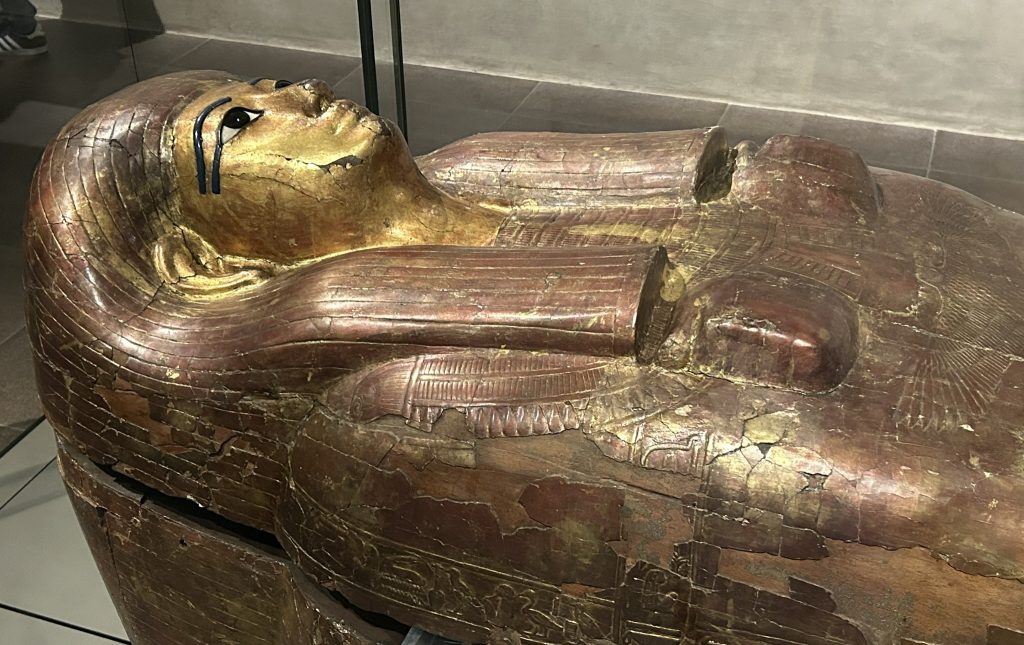
- The mummies and coffins. Rows of painted coffins, many beautifully preserved.
What I Loved
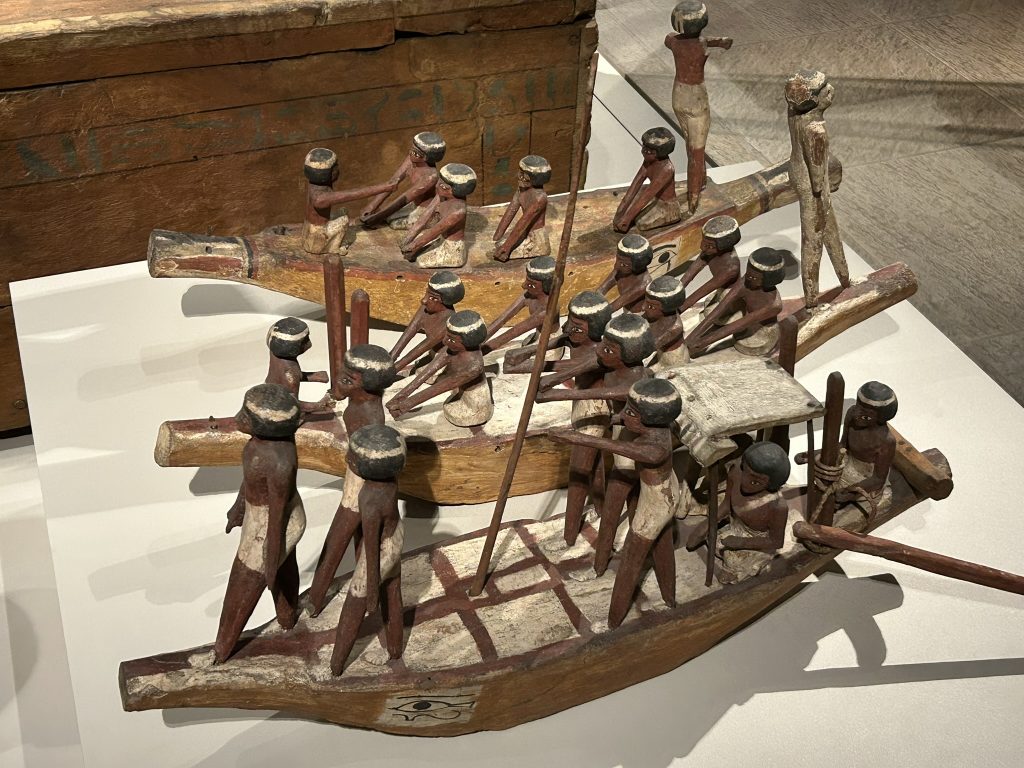
While I certainly appreciated the blockbuster exhibits at the Museo Egizio, my favourite displays were of the smaller objects: boats full of oarsmen, a collection of small statuettes, and shelves full of head rests (they slept on those?).
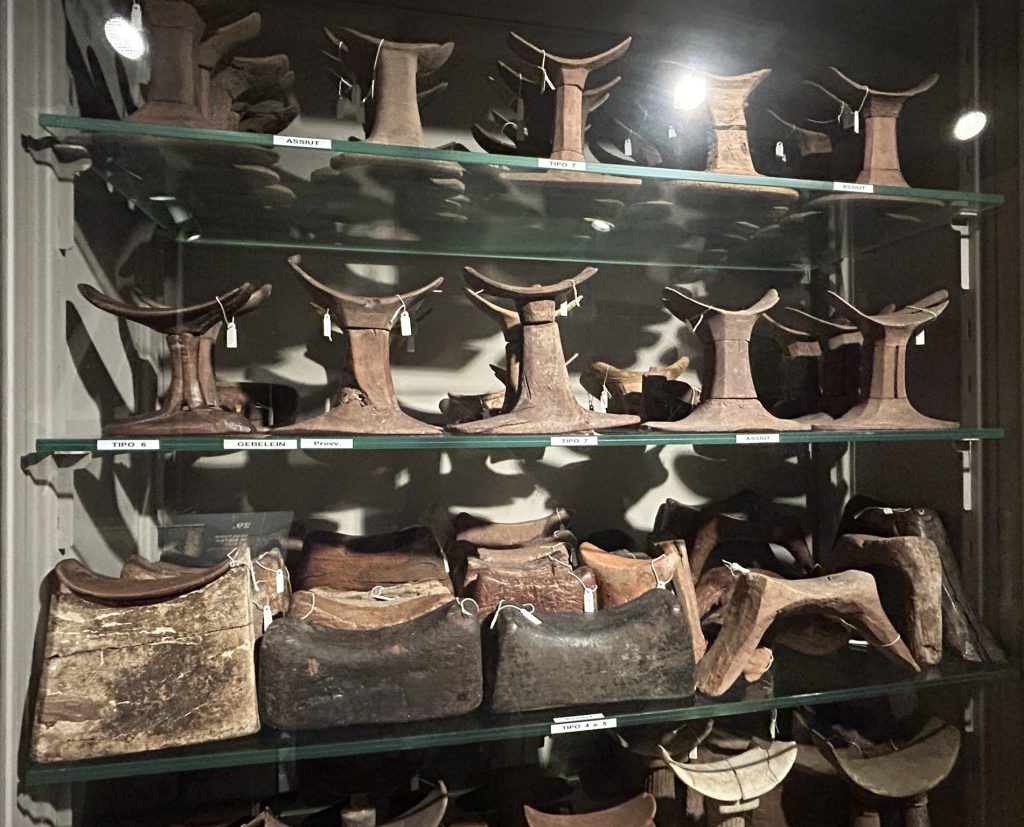
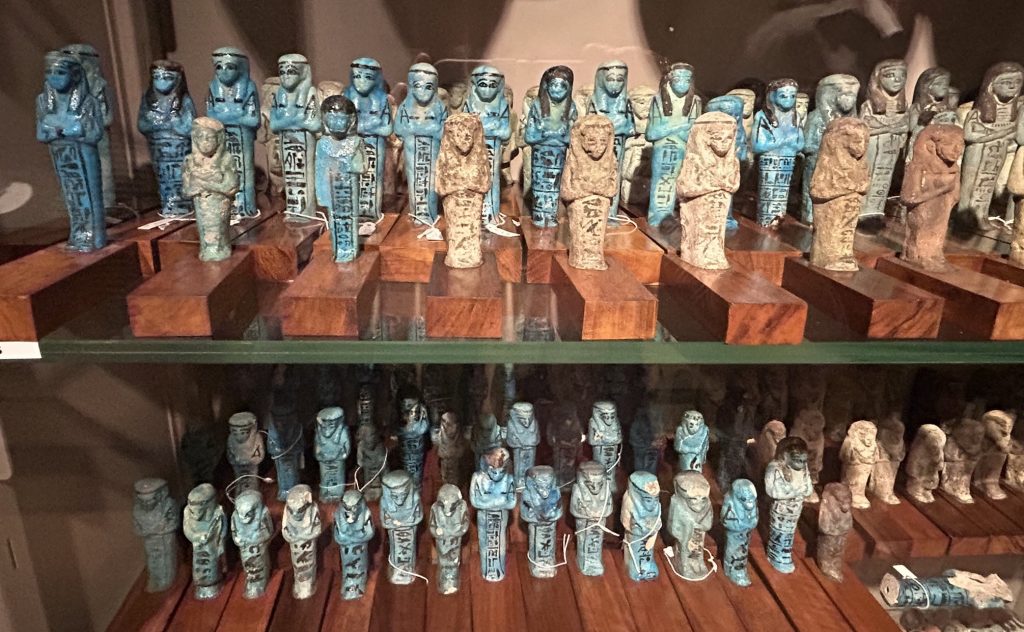
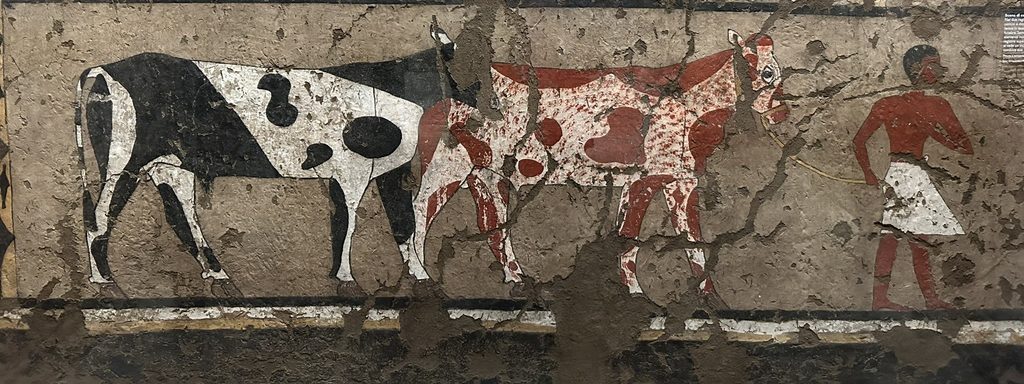
And then there are the hundreds of depictions of animals: cats sitting at attention, a herd of wee hippos, a surprisingly realistic cow lumbering across a field.
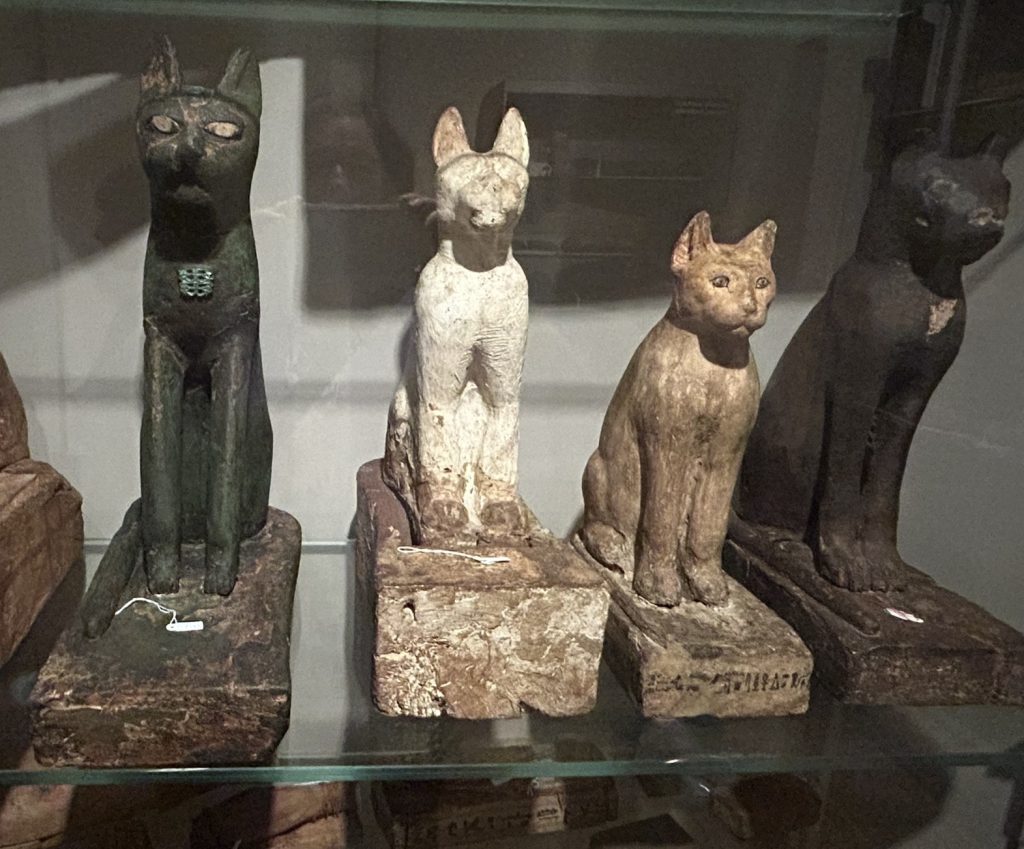
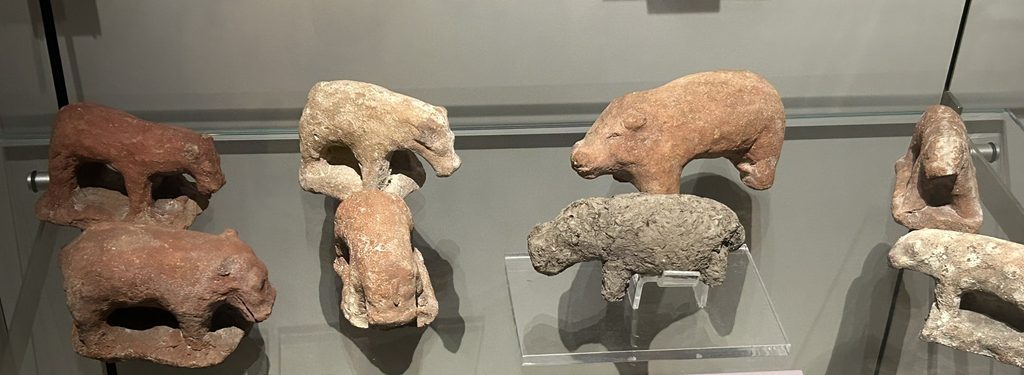
Getting Tickets to Museo Egizio
Buy your tickets online in advance and go as early as you can. Give it at least three hours.
An excellent option to get the most out of your visit is a guided tour. The museum is large and somewhat overwhelming. A guided tour will help you make sense of the exhibits.
2. Mole Antonelliana
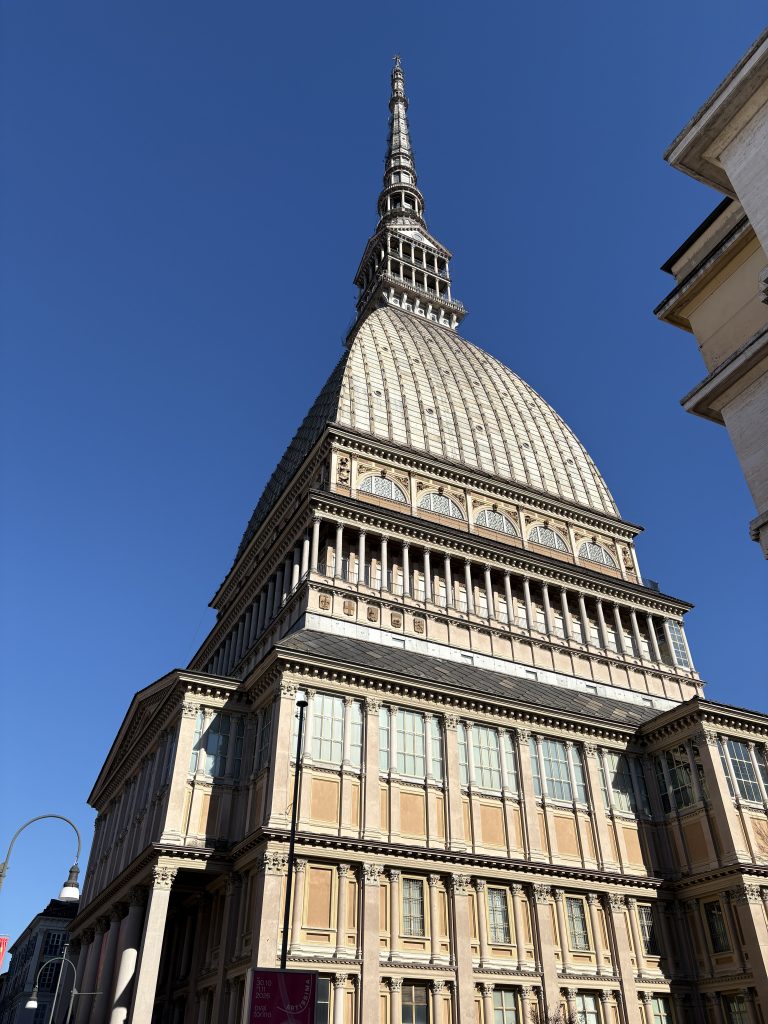
The symbol of Turin is the Mole Antonelliana, a quirky, soaring structure that looks a bit like someone stretched a classical temple and then topped it with a very tall spire.
The Mole Antonelliana is named after its architect, Alessandro Antonelli, who started it in 1863 as a synagogue. The project expanded, the Jewish community bowed out, the city took over, and the building was finally completed in 1889, a year after Antonelli died.
By coincidence, 1889 is also the year the Eiffel Tower was completed for the Paris World’s Fair. At 167.5 metres, the Mole was at the time the tallest brick building in Europe.
The Mole houses two attractions: a panoramic lift up through the dome (alas, not to the tippy top) and the National Cinema Museum.
If you want to do both, you need to book tickets in advance. In November, I was able to get tickets for an afternoon time slot the day before, but in peak season you may need to book weeks ahead.
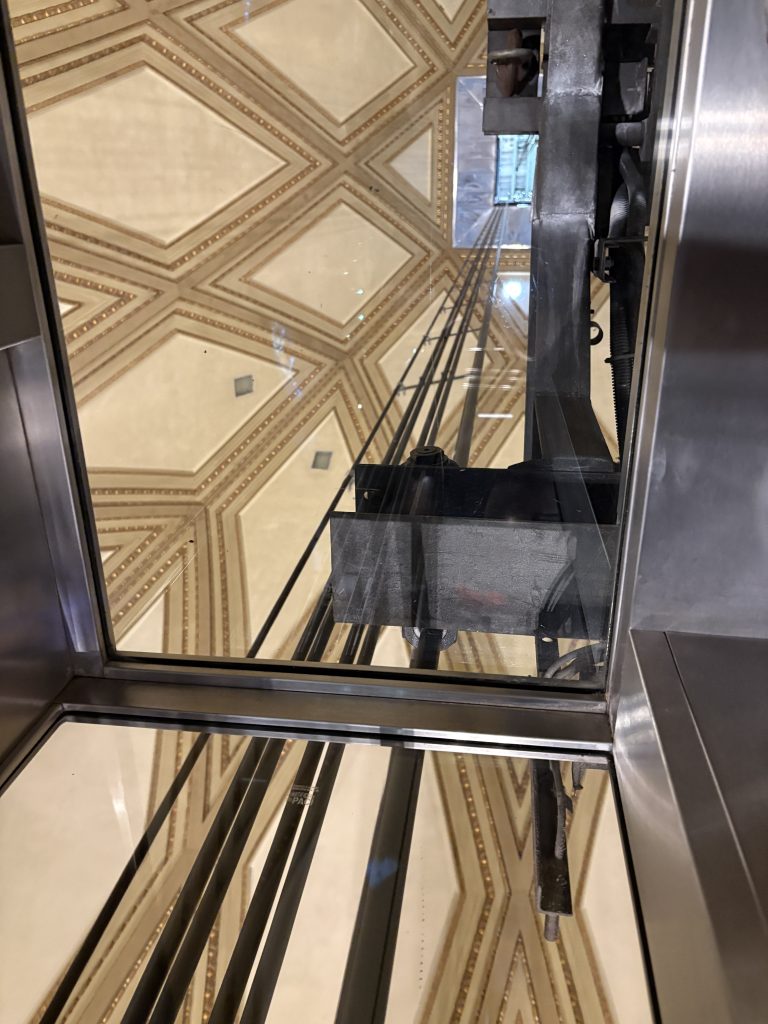
When you arrive, you discover why tickets are so limited. The glass lift fits only about six people (seven at a pinch). It’s an exciting ride straight up through the middle of the dome to an outdoor viewing platform 85 metres up with a 360-degree view of Turin.
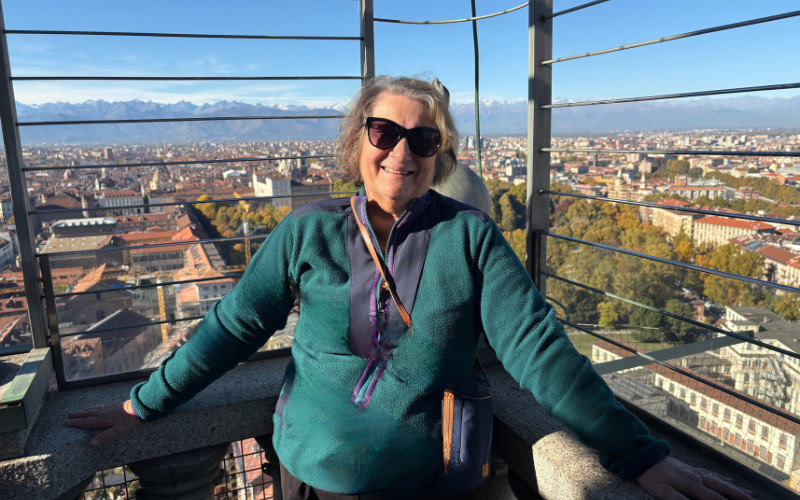
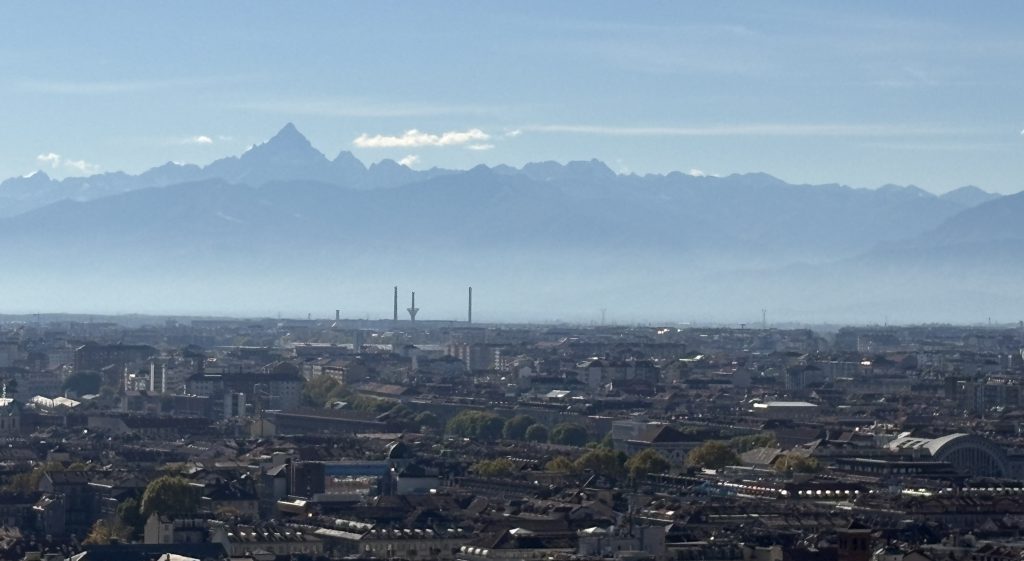
Go on a clear day if you can. We were blessed with gorgeous weather and could see the Alps, which are surprisingly close. No wonder Turin hosted the 2006 Winter Olympics.
National Cinema Museum
If you’re interested in the history of film, you’ll love the Museo Nazionale del Cinema. Displays on several levels trace the story of moving pictures, starting with shadow puppets, magic lanterns, and the optical toys that came before cinema, then moving on through film genres, movie posters, and the stars themselves.
The centrepiece is the vast hall under the dome, where you can recline on red lounge chairs and watch film clips projected high above you. You could spend a lot of time here. Even in November it was crowded and a bit stifling, with lots of small curtained rooms to duck into for different films.
3. National Automobile Museum (MAUTO)
Gregg, my husband and frequent travel companion, loves racing cars, so naturally we had to visit the Museo Nazionale dell’Automobile, known as MAUTO. Turin is, after all, the home of Fiat.
While the museum is obviously a mecca for car enthusiasts, it’s also a pretty cool experience for non-enthusiasts like me.
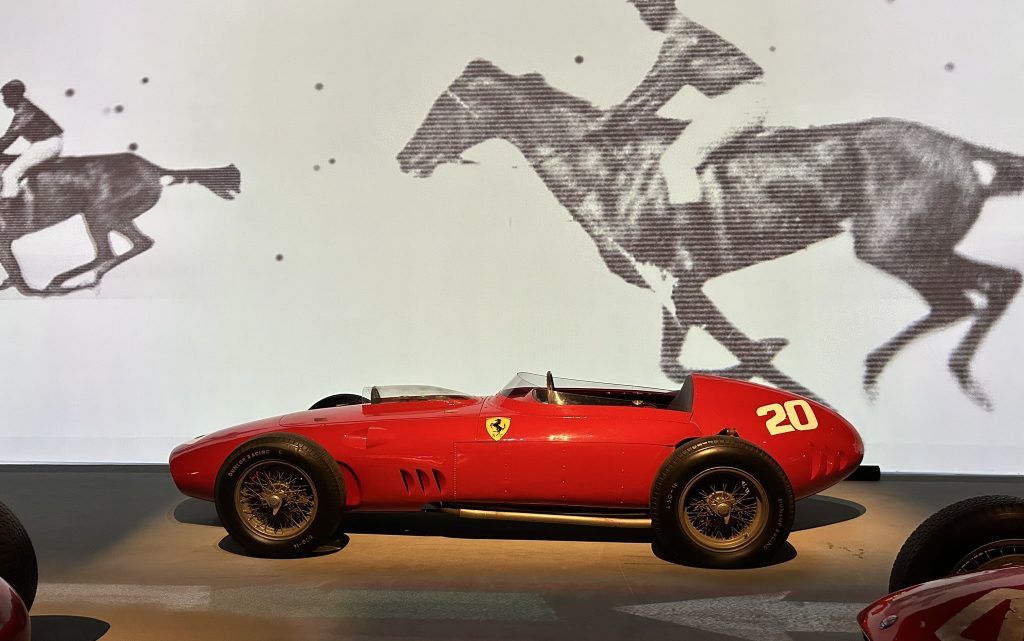
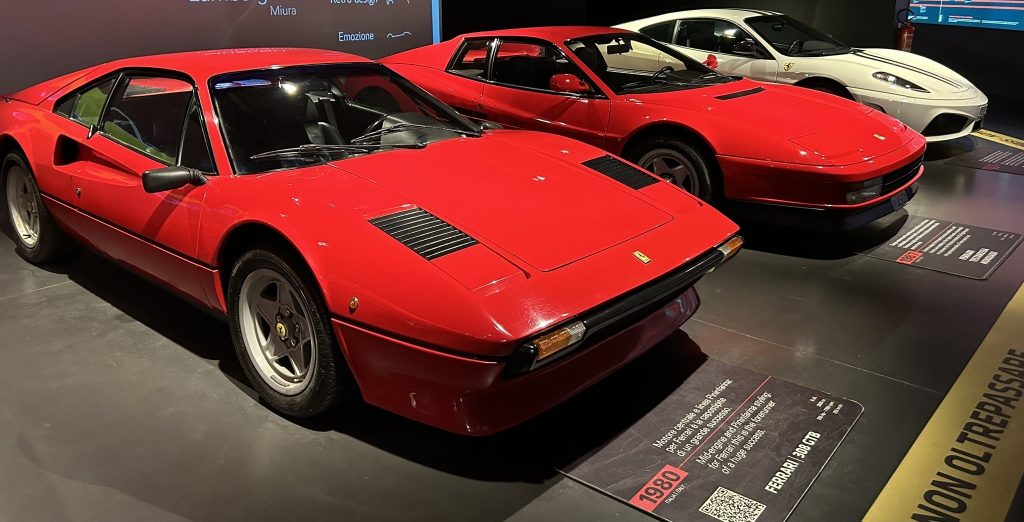
Around 200 cars from 80-odd manufacturers trace the history of the automobile, from an 1854 steam carriage to Formula 1. The displays are inventive, and several excellent films about different aspects of the industry are scattered throughout.
The museum is huge, so the chance to sit and watch a film now and then was most welcome to keep our energy up.
The collection is organized more or less chronologically over three floors, starting with the very first horseless carriages and early Italian cars. They are in pristine condition and a real joy to see.
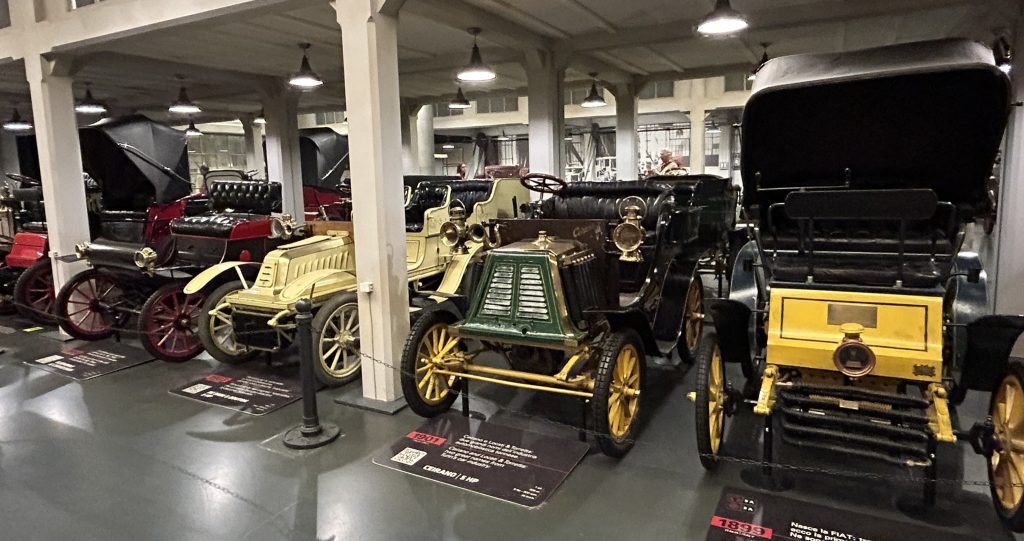
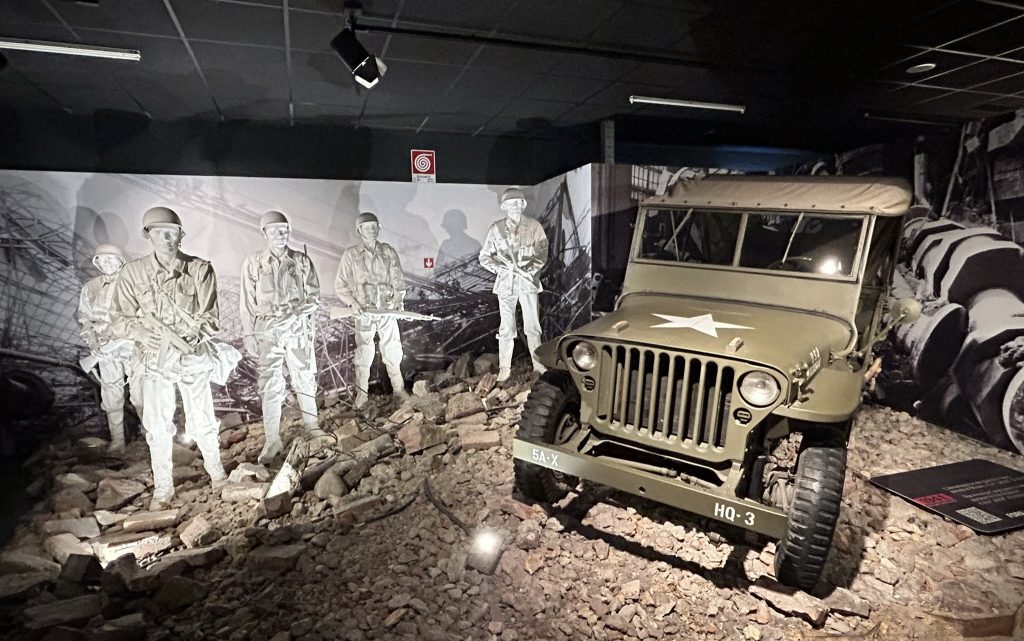
From there, it moves through the cars that defined the 20th century, with sections on design, the industry’s social impact, and how cars changed the way cities look.
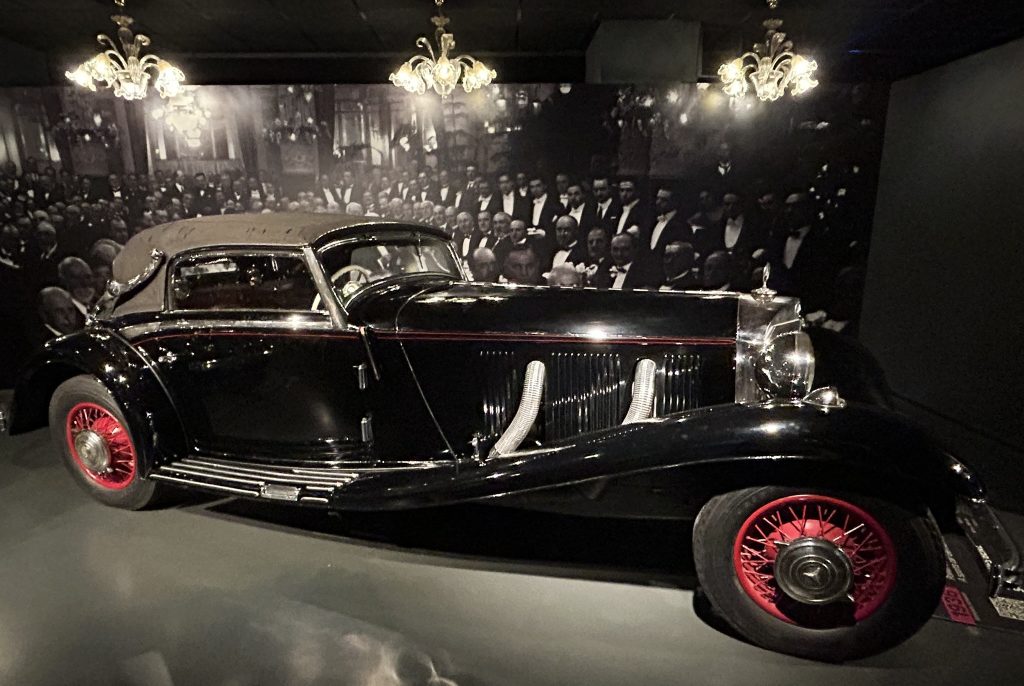
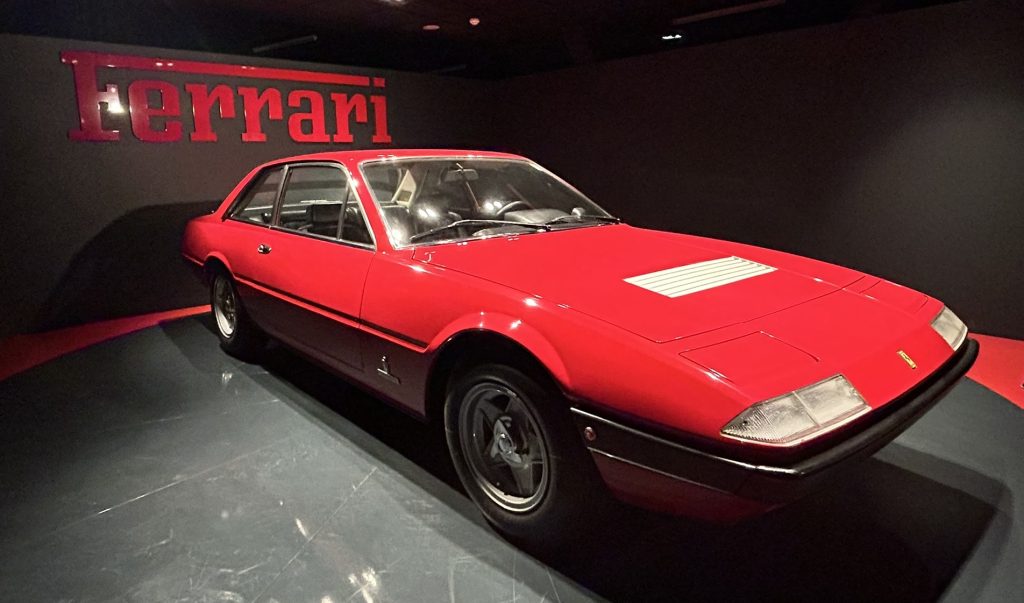
The highlight was, of course, the racing cars, including several Ferraris from various vintages. They are truly works of art.
Getting to the Automobile Museum (and an Expensive Lesson)
The museum is at Corso Unità d’Italia 40, south of the centre along the Po River, about a 15-minute bus ride from downtown.
On a previous trip, buses still used paper tickets. We neglected to validate ours on the way back, an oversight that cost us 68 euros.
My pleas of being a stupid tourist fell on deaf ears. The inspector listened patiently and then told me I could pay the 68 euros on the spot (he had a Visa machine) or pay even more later.
Lesson learned.
On our most recent trip in 2026, we simply tapped onto the bus with our Visa cards. Note that if you’re travelling with a companion, you each need your own card. You can’t tap the same card twice for two people.
4. Palazzo Madama and the Museum of Ancient Art
This gem of a museum sits right in Piazza Castello, Turin’s main square, in a building that’s a history lesson in itself: a Roman gate turned medieval castle, then given a grand Baroque facade and staircase by the architect Filippo Juvarra in the 1700s.
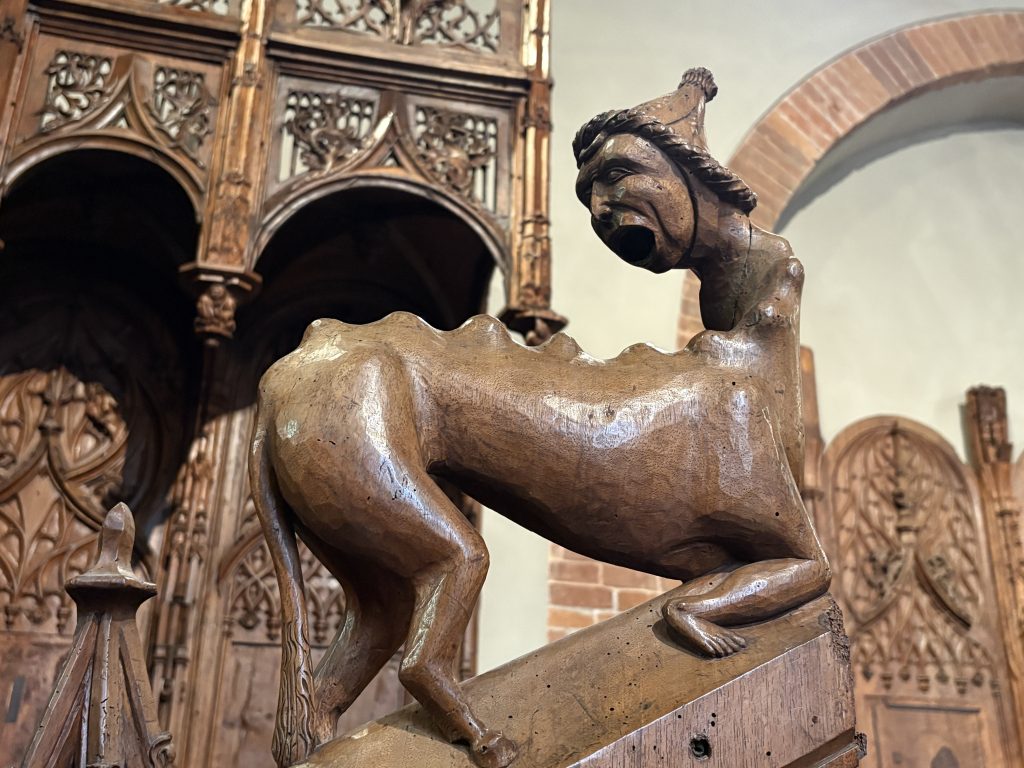
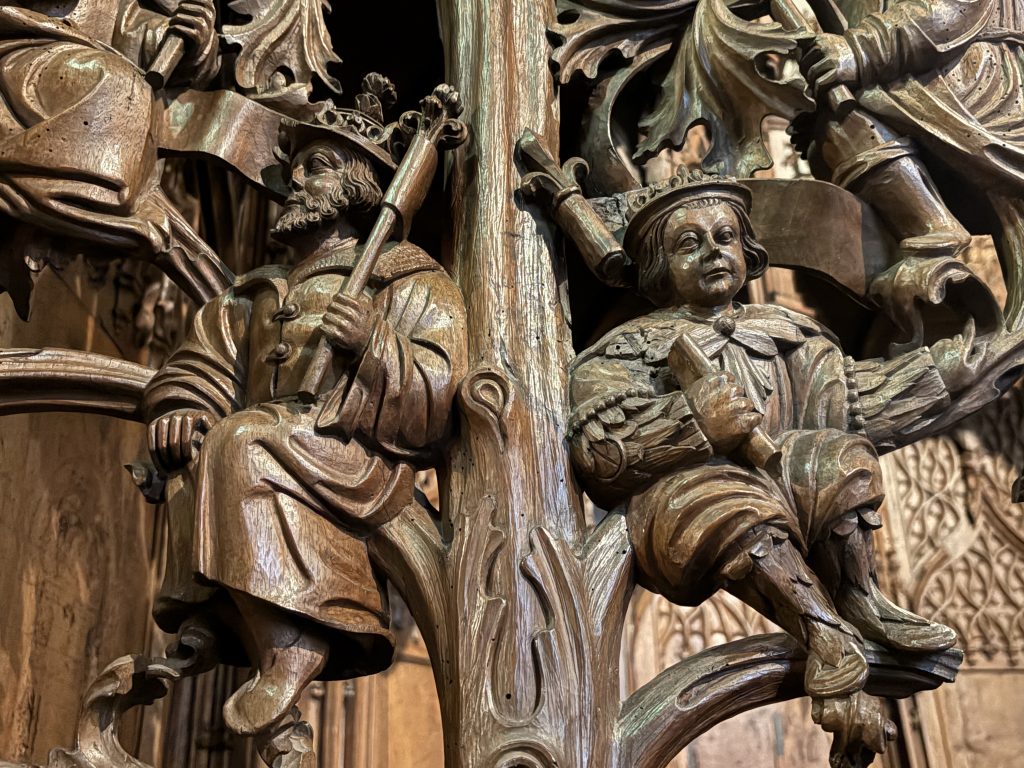
It houses the Museo Civico d’Arte Antica. Don’t let the “ancient art” fool you. Most of the collection runs from the Middle Ages through the Baroque, with Gothic sculpture, gold-ground paintings, illuminated manuscripts, glass, ceramics, and decorative arts. There are some lovely pieces here, and the rooms are blissfully uncrowded.
I was especially taken by the incredibly intricate wood carvings.
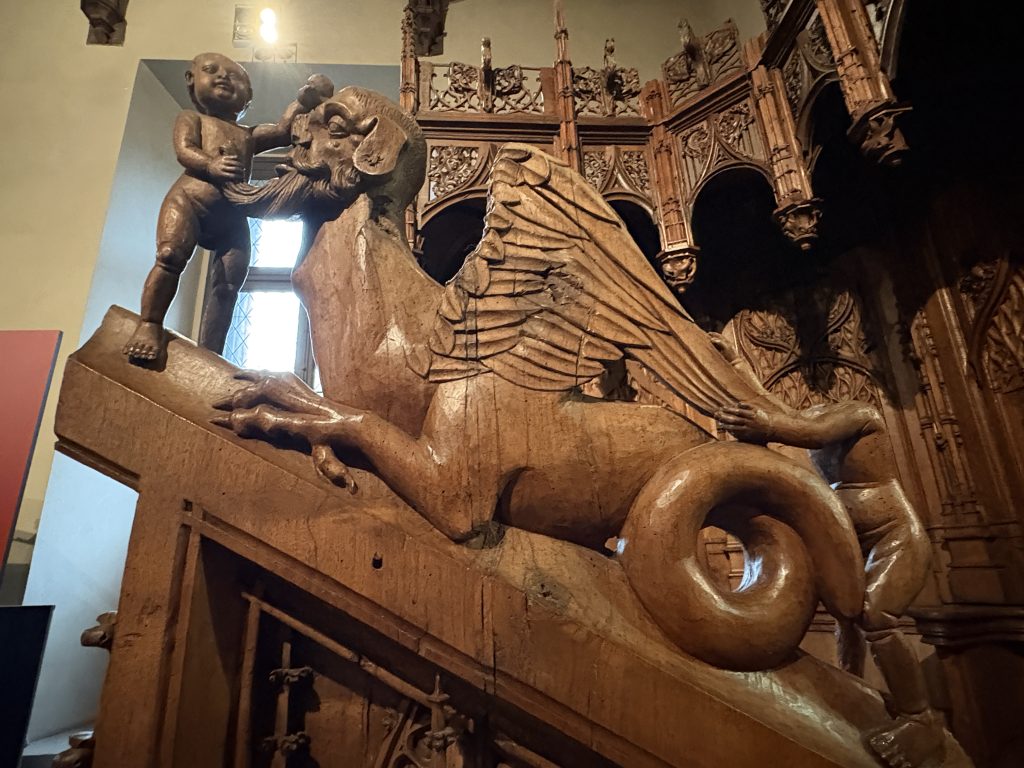
Highlights include Antonello da Messina’s piercing Portrait of a Man and works by Piedmontese painters such as Giovanni Martino Spanzotti. Down in the cellars you’ll find medieval stonework, and outside there’s a small recreated medieval garden.
5. Piedmontese Cuisine
A highlight of any visit to Turin should be sampling Piedmontese cuisine. It’s earthy and rustic, built on rich egg pasta, slow-braised meats, butter rather than olive oil, and some of Italy’s best wines.
This is mountain and farm country, and the food tastes like it, in the best possible way. Flavours are deep and layered rather than bright and zingy.
A few dishes to look for:
- Agnolotti del plin: tiny pinched pasta parcels filled with meat, often served simply with butter and sage or roast juices.
- Tajarin: thin, golden ribbons of pasta made with egg yolks.
- Vitello tonnato: thin slices of cold veal under a creamy tuna sauce.
- Brasato al Barolo: beef braised for hours in Barolo wine.
- Bagna càuda: a warm dip of garlic, anchovies, and oil for vegetables. Not a first-date dish.
- White truffles: in autumn (roughly October to December), shaved over everything from tajarin to eggs. The town of Alba is about an hour away.
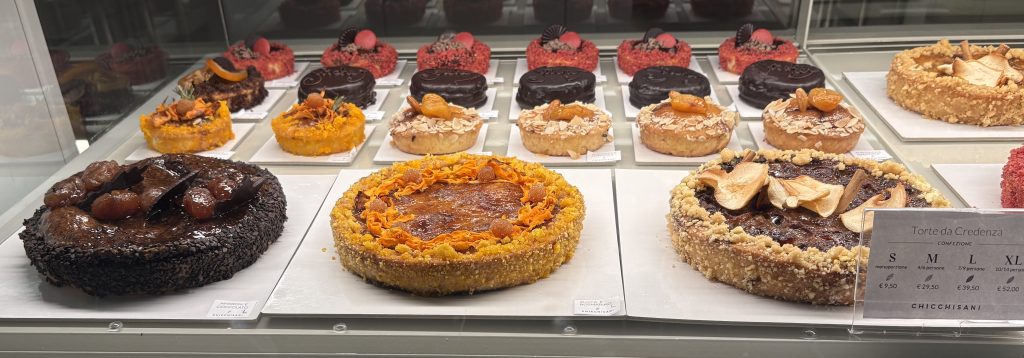
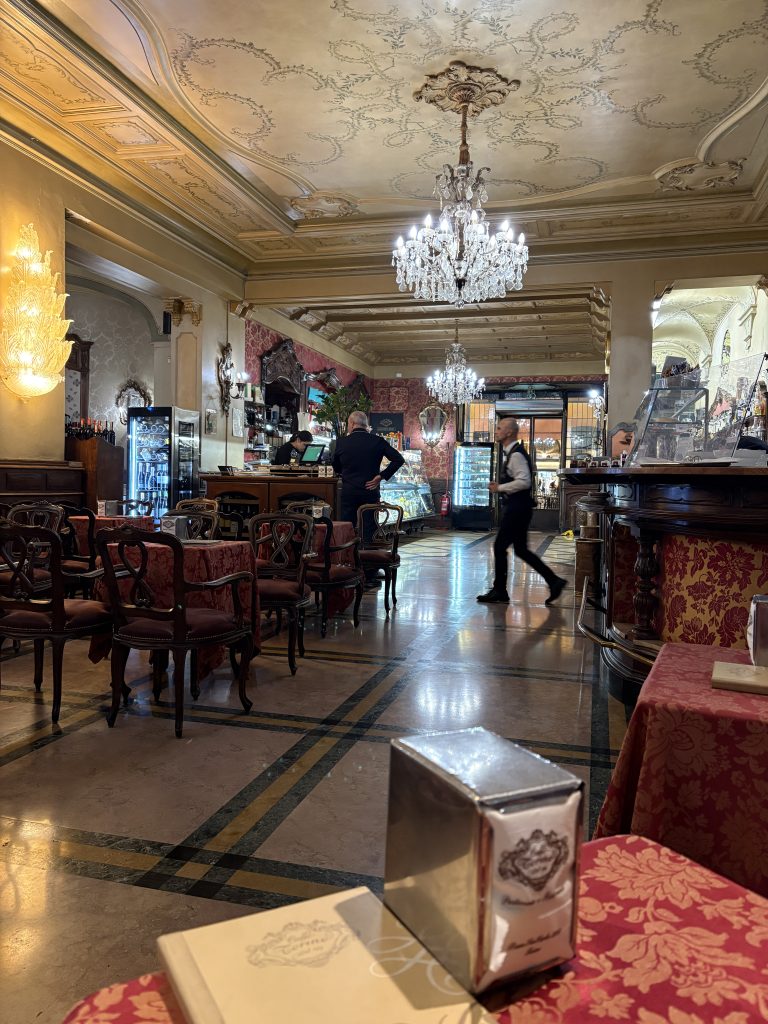
And then there’s the sweet stuff. Turin is chocolate royalty: gianduja, the chocolate-hazelnut combination, was invented here, and so was the gianduiotto chocolate. Try a bicerin, the city’s signature layered drink of espresso, chocolate, and cream, or indulge in a slice of torte.
La Badessa
La Badessa sits on Piazza Carlo Emanuele II (locals call it Piazza Carlina), a lovely square in the heart of Turin. The concept is unique: the menu is based entirely on recipes from Italian monasteries and convents, and each dish notes which monastery it comes from. The interior feels like a cozy, refined sanctuary, full of religious art and artifacts. Reservations are a must.
We started with the “Taste of Piedmont” appetizer, four incredible morsels that we split. Each one was an earthy, complex explosion of flavours.
For the main course, we had the tajarin, again meaty and earthy, in a rich broth.
For dessert, I had pears poached in red wine, a classic Piedmontese dessert and an incredible combination of flavours and textures, paired with a local digestif recommended by our waiter.
The service was attentive. The staff seemed to care that everything was “tutto bene.” And it was.
Madama Piola
Madama Piola is on Via Ormea in San Salvario, a more workaday neighbourhood close to where we stayed in an apartment for four days. A “piola” is Piedmontese dialect for a traditional, no-fuss neighbourhood eatery, and this one is run by Christian Milone, a Michelin-starred chef from nearby Pinerolo.
It’s popular, so book ahead. We shared an appetizer of fresh cow’s milk cheese (I thought it was goat), creamy and topped with pesto and tomato. My main course was succulent duck with braised onion. Some of the most tender duck I’ve ever had, and I’ve eaten a fair bit of duck in France.
6. Parco del Valentino
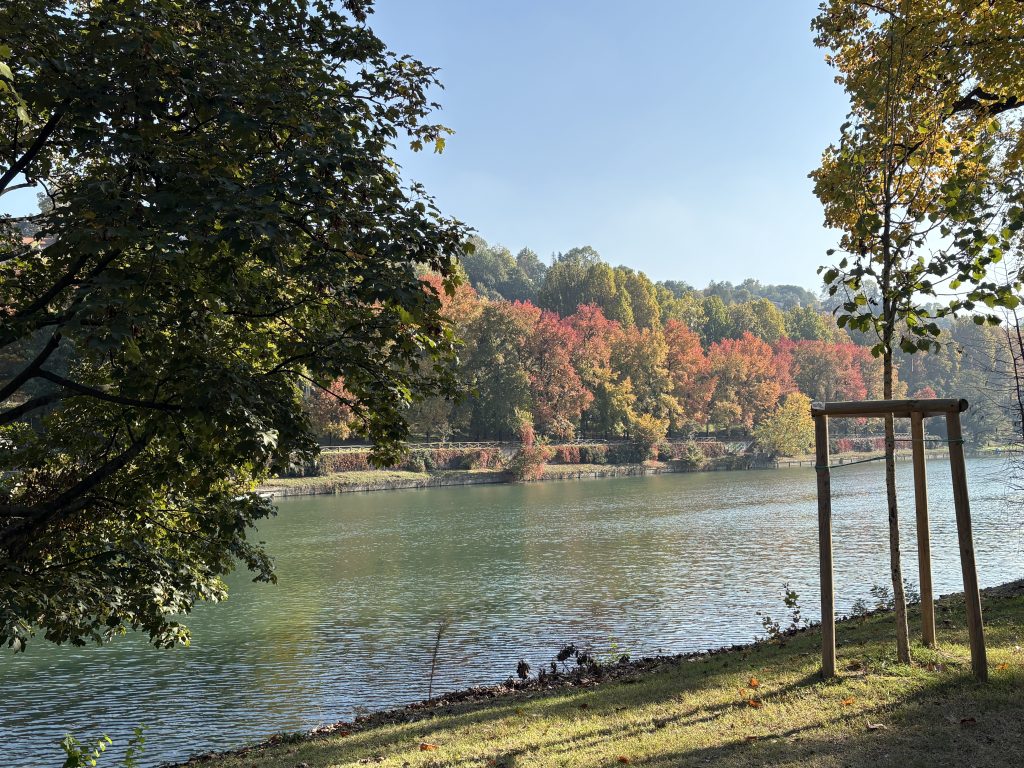
When you’ve had your fill of museums, head to the Parco del Valentino, Turin’s main park, stretching along the banks of the Po River just south of the centre. It was laid out in the 19th century in the style of an English landscape garden, and it’s where Turin goes to walk, jog, cycle, and sit by the river.
Two quirky landmarks make it more than just a pleasant stroll:
- Castello del Valentino: a 17th-century château-style royal residence of the House of Savoy with its distinctive French-looking roofs. It now houses the university’s architecture faculty.
- Borgo Medievale: a full-scale replica of a 15th-century Piedmontese village and castle, built for the 1884 Italian General Exhibition. It’s a 19th-century fantasy of the Middle Ages, and great fun. Unfortunately, the borgo was closed when we were in Turin.
There’s also a small botanical garden. On a sunny Sunday afternoon, we joined throngs of relaxed-looking locals to stroll alongside the river and enjoy an excellent hot dog at one of the outdoor cafés.

7. Strolling Turin
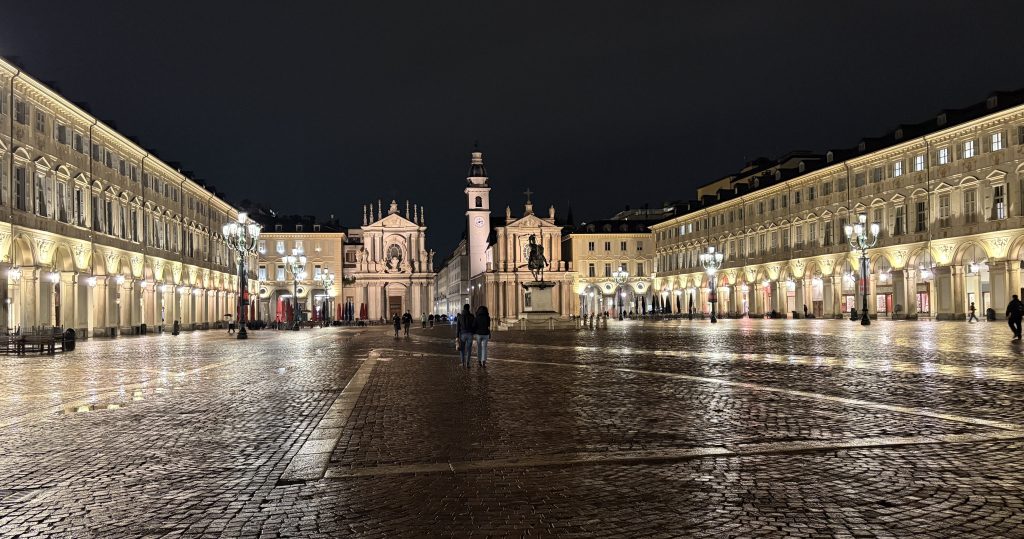
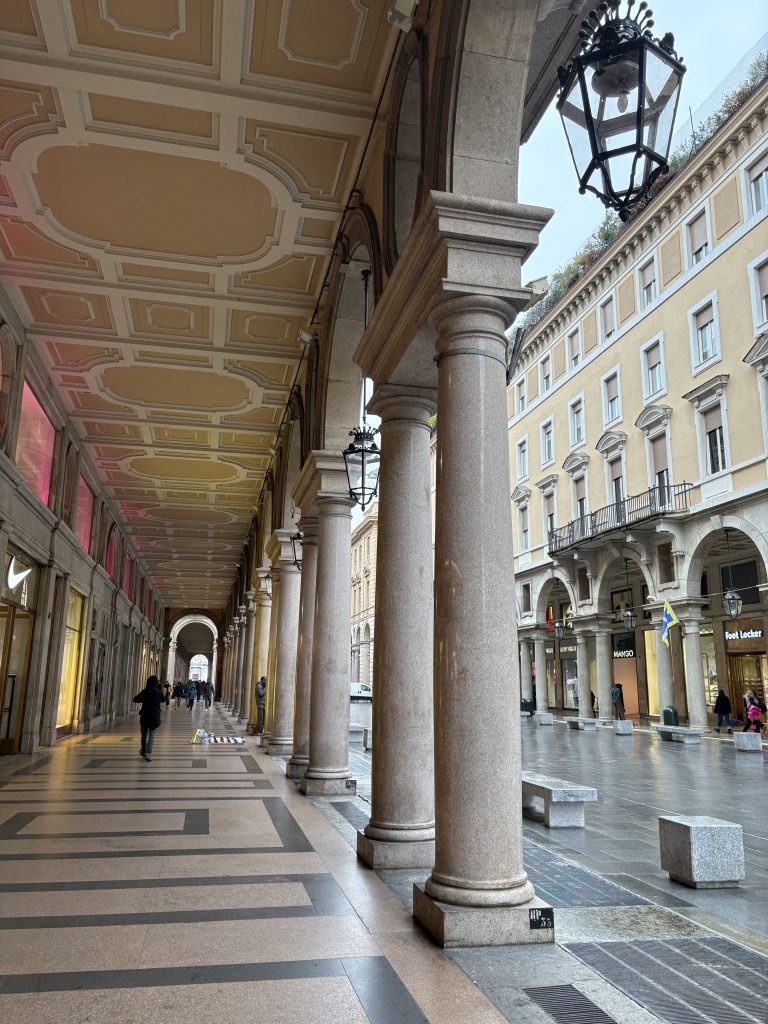
My favourite thing to do in Turin is simply strolling the piazzas and arcades, particularly at night when the facades of the many palaces are floodlit. Even on a rainy November evening, the area is magical.
I’m always struck by the symmetry of the architecture. Turin was laid out on an orderly Roman grid and rebuilt as a grand Baroque capital by the Savoy dukes and kings in the 17th and 18th centuries, with plenty of 19th-century polish added when it briefly became Italy’s first capital. The result is a city of grand old cafés, designer shops, and echoing arcades.
A few streets and squares not to miss:
- Piazza Castello: the city’s heart, with Palazzo Madama in the middle and the Royal Palace on one side.
- Via Roma and Piazza San Carlo: the elegant arcaded shopping street leading to the city’s “drawing room,” with its twin churches and historic cafés. For two of the nights we were in Turin, we stayed on Piazza San Carlo in San Carlo Suite Torino (highly recommended; see below).
- Via Po: arcades lined with bookstores and cafés, running down to the vast Piazza Vittorio Veneto and the river.
And there are pasticcerias and chocolate shops everywhere. Turin is paradise if you have a sweet tooth.
More Things to Do in Turin
If you have more time, here are other sights worth adding:
- Musei Reali (Royal Museums): the Royal Palace, the Royal Armoury, the Galleria Sabauda picture gallery, and the Royal Library, home to Leonardo da Vinci’s famous red chalk self-portrait (shown only occasionally).
- Turin Cathedral and the Chapel of the Holy Shroud: Guarino Guarini’s dizzying Baroque dome over the chapel that houses the Shroud of Turin (the Shroud itself is rarely displayed).
- Pinacoteca Agnelli: a small, superb private collection (Canaletto, Matisse, Picasso) perched atop the former Fiat Lingotto factory, whose rooftop test track is now a garden.
- GAM (Galleria Civica d’Arte Moderna e Contemporanea): 19th- and 20th-century Italian art.
- Castello di Rivoli: contemporary art in a Savoy castle on the outskirts of town.
- Reggia di Venaria Reale: a vast royal hunting palace, often called Turin’s Versailles, with spectacular gardens. An easy half-day trip.
- Basilica di Superga: a Juvarra church on a hilltop with views over the city and the Alps. Get there via a historic rack railway.
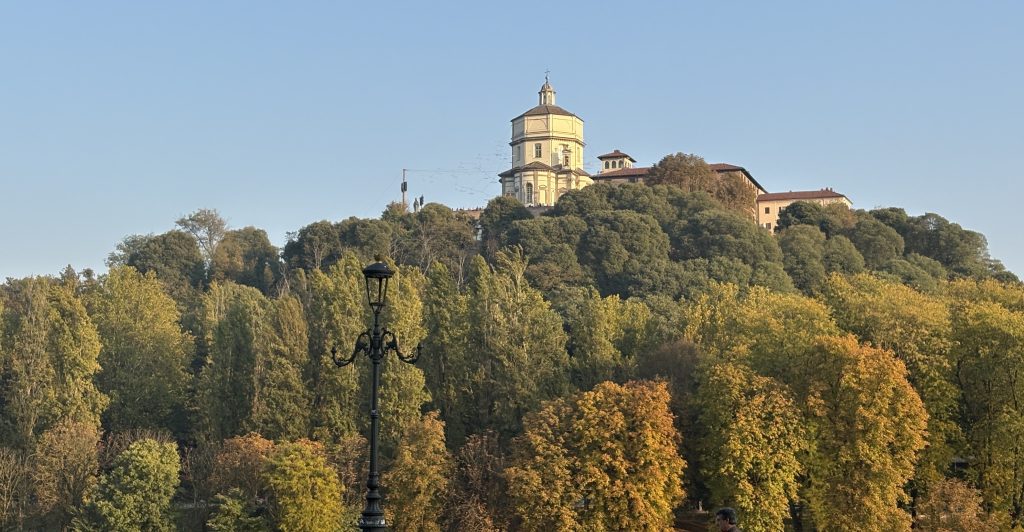
- Santa Maria al Monte dei Cappuccini: a short climb across the river for the classic view of Turin with the Mole and the mountains behind.
Is Turin Worth Visiting?
Absolutely. Turin has the museums of a major capital, food that rivals anywhere in Italy, and a centre that’s a pleasure to wander, without the crowds you’ll find in Florence or Venice.
Three visits in, I still haven’t run out of reasons to go back.
Where to Stay in Turin
We’ve stayed in a few apartments a good 15 to 30 minute walk from the Centro, and I don’t recommend it. Instead, splash out for a hotel or aparthotel right in the centre of the action, preferably on one of the large piazzas.
We stayed at San Carlo Suite Torino on Piazza San Carlo, and I can’t recommend it highly enough. Not only was the suite itself modern and well-appointed, it was steps from the piazza. The moment you walked outside, you were in an elegant arcade lined with designer shops and swishy cafés.
Turin Tours
Here are some options for guided tours of Turin with GetYourGuide:
Turin FAQs
Yes. Turin has world-class museums, some of the best food in Italy, and an elegant, walkable historic centre, with far fewer tourists than Florence, Venice, or Rome.
Three days covers the highlights: the Museo Egizio, the Mole Antonelliana and Cinema Museum, the Automobile Museum, and an evening stroll through the arcades. With more time, add the Musei Reali, Venaria Reale, or a day trip into the Langhe wine country.
Turin is known for the Museo Egizio, the Shroud of Turin, the Mole Antonelliana, Fiat, chocolate (gianduja and the gianduiotto were invented here), vermouth, and its long, elegant arcades. It was also the first capital of unified Italy.
It’s easy, at about an hour by high-speed train, but one day barely scratches the surface. Stay at least two nights if you can.
It’s strongly recommended. The Museo Egizio is Turin’s most popular museum and gets crowded even in the off season, so book a timed ticket online and arrive early.
Yes. The glass lift holds only about six people at a time, so slots sell out quickly. In November I booked the day before, but in peak season you may need to book weeks ahead.
Spring and fall are ideal. October to December is white truffle season in Piedmont, and late fall brings short lines at most sights.
Keep Exploring Northern Italy with Artsy Traveler
- Explore Northern Italy in One Week
- Grand Hotel des Iles Borromées: Unique Belle Époque Luxury on Lake Maggiore
- Beyond Romeo and Juliet: What to See in Verona, Italy
- Fascinating Little Padua Reveals Hidden Treasures
- Piacenza: A Hidden Gem for Art Lovers and Slow Travelers
- Sirmione on Lake Garda: Experience the Magic of Staying Overnight
- 3 Days in Venice: Best Itinerary for First-Time Visitors
- Art Museums in Venice: My Guide to the Essential Visits
- Choose Murano For A Unique Venetian Experience

Carol M. Cram writes novels inspired by the arts; runs Artsy Traveler, an arts-focused travel blog, and Art In Fiction, a curated database of 2,700+ novels inspired by the arts; and hosts The Art In Fiction Podcast. She has also authored 60+ textbooks on computer applications and taught at Capilano University for over two decades. Carol lives with her husband, artist Gregg Simpson, on beautiful Bowen Island near Vancouver, BC.
 See all my novels