Visiting Spain: My Best Tips for Artsy & Independent Travelers
Artsy Traveler contains affiliate links for products and services I personally use and can happily recommend. As an Amazon Associate, I earn from qualifying purchases. Please read the Disclosure for more information. If you make a purchase through these links, at no additional cost to you, Artsy Traveler earns a small commission. Thank you!
Spain is a vast and endlessly rewarding destination for artsy and independent travelers, offering dramatic history, distinct regions, and a rich mix of cultures that make it feel worlds apart from the rest of Europe.
From fiery flamenco and Moorish palaces to gold-crusted cathedrals and some of the world’s greatest modern art, Spain offers an extraordinary range of creative experiences.

Because of its size and diversity, thoughtful planning is essential when visiting Spain. With limited time, deciding where to focus—whether the north, the south, or a particular region—will help you enjoy the country without feeling rushed.
Compared to much of Northern Europe, Spain also offers excellent value, particularly outside major cities, making it a rewarding destination for travelers who prioritize culture, food, and memorable experiences.
Since my first trip to Spain at age 21, I’ve returned more than ten times to revisit old favorites and discover new ones.
This post brings together my best tips to help you plan a rewarding, arts-focused journey through Spain, and is part of my Visiting Europe series, sharing my best tips for artsy and independent travelers exploring creative destinations across Europe.
Table of Contents
- Spain Highlights at a Glance
- My Relationship to Spain
- Favorite Places in Spain
- Practical Tips for Artsy & Independent Travel in Spain
- Getting Around Spain
- Tours to Take While Visiting Spain
- Where to Stay for an Arts-Focused Spain Trip
- Eating Well in Spain: Tapas & Pintxos
- Why Spain Belongs on Every Artsy Traveler’s Itinerary
Spain Highlights at a Glance
These highlights show why artsy and independent travel in Spain is so rewarding, especially for travelers who prefer culture over crowds.
- Spend several days in Madrid to enjoy world-class museums and beautiful parks.
- See an authentic flamenco show in Seville for a spine-tingling experience you won’t soon forget.
- Visit the Sagrada Familia in Barcelona (get tickets in advance).
- Tour Northern Spain from San Sebastián to Bilbao to Santiago de Compostela.
My Relationship to Spain
I first visited Spain when I was a student at university in England in the 1970s. I flew to Barcelona and met friends. We backpacked down the coast of Spain and had a marvelous time.
But in those days, Spain was still under fascist rule and while the people were friendly and welcoming, there was a definite vibe in the air that wasn’t always pleasant.
Since 2000, I’ve returned to Spain numerous times, and am always discovering new off-the-beaten-path places to explore. Spain is endlessly fascinating.
Why Spain Keeps Calling Me Back
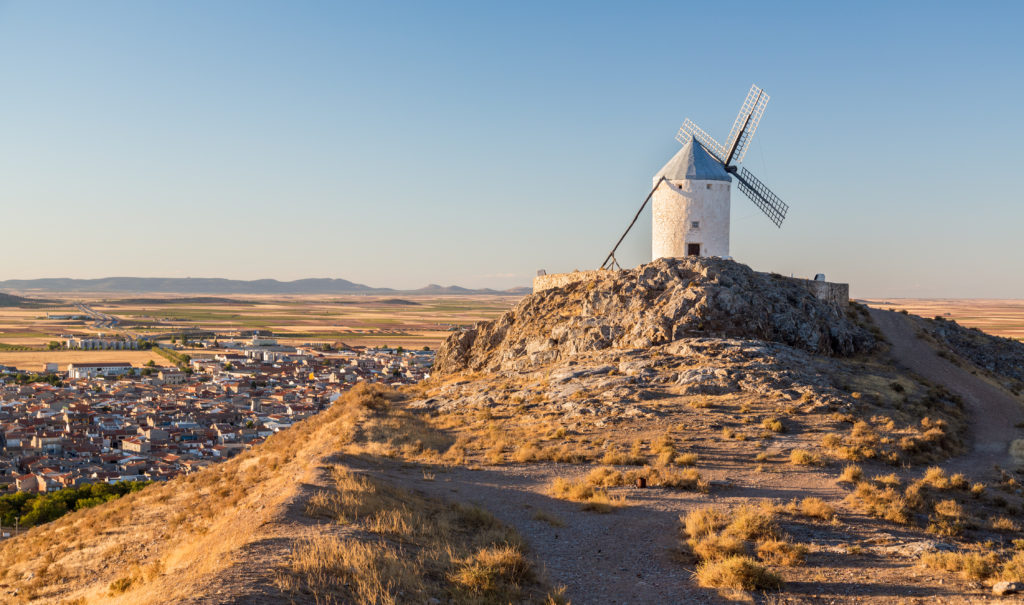
I love how Spain’s vast, sweeping landscapes conjure visions of Don Quixote riding into the sun and tilting at windmills. It’s harsh, unforgiving and extremely romantic.
When we drive through Spain, I always ask Gregg to add Concerto for Aranjuez by Joaquín Rodrigo to the playlists he creates for our car trips. Here’s a clip. When you hear it, you dream of Spain. You just do.
I dare you to listen to it and not swoon!
Spain’s History & Artistic Legacy
The history of Spain is blood-soaked and fascinating. You’ve got Moors and their expulsion from Spain in 1492, the horrors of the Inquisition in the 15th century, the indescribable atrocities of the Spanish Civil War and the struggles of the Catalan and Basque peoples. Not that it’s all violent. Spain’s history is as diverse and interesting as its various regions.
And of course, there’s the art. Spain gave the world such masters as Goya, El Greco, Picasso, Gaudí, Miró, and Dalí.
You’ll find scores of wonderful art museums in Spain, from the stately Prado in Madrid to the not-to-be-missed Sagrada Familia, Gaudi’s still unfinished modern cathedral in Barcelona.
Are you ready to explore Spain?
Favorite Places in Spain
The map below pinpoints my top ten favorite places in Spain.
If you’re planning a trip to Spain and only have two or three weeks, focus on either the north or the south (you can’t see both in such a short time). In the north, string together Barcelona with a drive along the northern coast of Spain, ending in Santiago de Compostela. In the South, start again in Barcelona and head down the coast to Andalusia, ending in Madrid.
Practical Tips for Artsy & Independent Travel in Spain
Spain gets under your skin, in a good way. It’s a bit harsher, a bit more ”in your face”, a bit more, well, Spanish, than other countries in Europe.
Make a home for Spain in your heart, for its sun and heat, its tapas and arts, and above all, its duende. Passion and suffering, the depths of the soul and a spark of the immortal—that’s duende.
Planning to Travel in Spain
Spain extends from Portugal in the west to the Atlantic Ocean and the Bay of Biscay in the north and northwest to the Pyrenees in the east and the Mediterranean in the south.
You learn just how large Spain is when you drive across it. We’ve done so a few times. Be prepared for large expanses of brown countryside, millions of olive trees, and in the north stunning green mountains and rolling hills.
Check Events and Exhibitions
While creating your itinerary, search the web for exhibitions and performances that will be on while you’re in a town or region in Spain. You don’t want to arrive in a city the day after an exhibition of a favorite artist closes.
Once you’ve arrived in Spain and you’ve embarked upon your travels, keep an eye out for events advertised on posters, ask your server at dinner to tell you what’s happening in the area, and chat with locals and other travelers about their experiences. You’ll likely discover places you’ve never heard of but which will immeasurably enrich your visit.
Most of the time, we find information about local events, festivals, concerts, and exhibitions on posters or simply by talking to people. On a solo trip to Spain, Gregg stumbled upon a festival celebrating Galician culture in Santiago de Compostela that he captured on video.
Getting Around Spain
For independent travelers, Spain’s mix of high-speed trains and scenic road trips makes it easy to design an arts-focused itinerary.
Unless you’re already traveling through southwest France or Portugal, you likely won’t drive to Spain. Instead, fly into Madrid or Barcelona, spend a few days enjoying city sights, and then decide whether to continue by train, car, or a combination of both.
For most itineraries, a train-first, car-second approach works best.
Getting Around Spain by Train
Spain’s high-speed AVE trains are fast, efficient, and a pleasure to use. You can travel from Barcelona to Madrid in under three hours, reaching speeds of up to 300 kph—faster than any train I’ve taken, even in Japan.
First class is well worth the splurge. You’re served a full meal that often includes wine, beer, and even brandy—civilized travel at its best.
We’ve traveled extensively around Spain by train and always found it reliable and stress-free. Given the long distances, train travel makes excellent sense. Instead of driving for hours, you can read, relax, or watch the landscape roll by, especially the endless olive groves. Spain devotes about 2.4 million hectares to olive trees, making it the world’s leading olive producer.
TIP: If you don’t want to drive in Spain, combine train travel with occasional local tours. You’ll reach places trains don’t go and benefit from knowledgeable guides.
Book tickets in advance through Rail Europe. Tickets are usually available about three months before departure.

When Renting a Car in Spain Makes Sense
Because distances are long, I recommend taking trains between major cities and renting a car only when you want to explore rural areas.
These regions are best explored by car:
- Galicia in the northwest, including Santiago de Compostela
- Northern Spain, particularly Asturias and the Basque Country around Bilbao
- The White Towns of Andalusia, where driving is highly recommended
TIP: Never pick up a rental car in a city center. Take a taxi to the airport and collect it there; it’s far easier and less stressful.
Driving Tips for Spain
Driving in Spain is generally straightforward, with good roads and relatively light traffic outside major cities. The scenery varies widely—sometimes stark, sometimes beautiful, and in the north and southwest, spectacular.

One drawback is the lack of appealing roadside rest stops. Unlike Italy or France, Spain’s highway cafés can be dim and uninspiring, offering mostly deep-fried tapas and less-than-lovely facilities.
That said, these are minor inconveniences. Traffic is usually light, except around Madrid and Barcelona, and long drives can be surprisingly relaxing.
Important TIP: Never attempt to drive into the medieval center of a Spanish town. Streets are narrow, signage confusing, and scraped rental cars are practically a rite of passage. Park outside the walls and walk or take a taxi.
Even our taxi driver once got lost trying to find our hotel in Córdoba.
Driving into Spain from France or Portugal
You can enter Spain by car from France to the northeast or from Portugal to the west.
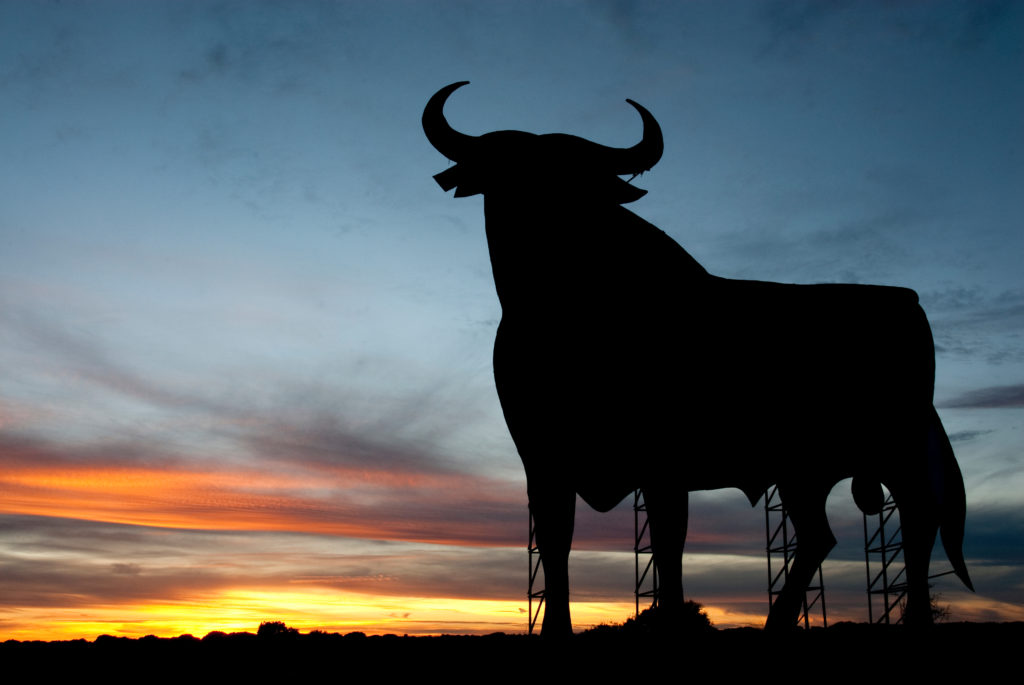
On one memorable trip, we crossed from France into Spain through the Pyrenees via the 3-km-long Túnel de Bielsa–Aragnouet. As we emerged from the tunnel, the clouds parted, the sun came out, and the first thing we saw was the Bienvenido a España sign, followed by the iconic Osborne bull silhouetted on a hillside.
Originally erected in the 1950s as advertising for sherry, these bulls have since become one of Spain’s most recognizable symbols—an ironic but fitting welcome.
Tours to Take While Visiting Spain
Small-group tours are a great option for getting out into the countryside, particularly if you’ve chosen not to drive in Spain. Find local tours in the town or city you’re visiting, or pre-book tours of a specific region. Here are some options.
Where to Stay for an Arts-Focused Spain Trip
We’ve had excellent luck with our accommodations in Spain. We’ve almost always experienced good service, large and comfortable rooms, and reasonable rates.
Budget-wise, Spain is in the moderate range, although you can definitely pay a lot for luxury. On average, we pay €100 a night for a comfortable three-star hotel and about €120 for a four-star hotel.
Prices can be higher in Barcelona, but definitely spend the extra money to get a nice place in the Eixample district.
I loved my stay at the Cram Hotel (yes, really!) with its rooftop pool and modern décor. I told the man at the front desk that my last name was Cram. He didn’t give me a discount but he did give me a free breakfast!
For more information and recommendations about places to stay in Spain see Where to Stay in Spain: My Best Picks.
I recommend using booking.com to book your accommodations in Spain. All your reservations are kept together in one place when you download the app. Here are options for places to stay in Spain: