The Magic of Flamenco Shows in Spain: How to Enjoy
I'm Carol Cram, novelist and arts travel writer, and founder of Art In Fiction, a curated database of 2,700+ novels inspired by the arts. Artsy Traveler contains affiliate links for products and services I personally use and recommend. As an Amazon Associate, I earn from qualifying purchases. Please read the Disclosure for more information.
Flamenco invades your soul, raises your heartbeat, and makes you feel grateful to be alive. If you’re touring southern Spain, particularly Andalusia, attending a flamenco show is a must.
From the moment the lights go down and the musicians and dancers come onstage, to the triumphant finale that explodes in a cacophony of furious sound, you will be transfixed.
This post is part of my guide to artsy & independent travel in Spain, where I share my best tips for exploring Spain’s creative cities, historic sites, literature, theater, and cultural experiences.
Table of Contents
- Why Flamenco Is Unlike Any Other Performance
- Quick Facts About Flamenco
- Why You Should See Flamenco Shows in Spain
- What You’ll See: Elements of a Typical Flamenco Show
- Atmosphere and Staging of a Flamenco Performance
- Typical Format of a Flamenco Show
- Where to See Flamenco Shows in Seville
- Where to See Flamenco Shows in Madrid
- The Flamenco Museum in Seville: What to Expect
- Tips for Choosing the Right Show
- Flamenco and Art
- Flamenco FAQs
- Keep Exploring Spain with Artsy Traveler
Why Flamenco Is Unlike Any Other Performance
Flamenco isn’t just a dance. It’s a pulse, a conversation, and a collision of rhythm and emotion that is uniquely Spanish.
When the show ends, I guarantee you’ll drift out onto the streets feeling transformed (in a good way).
This post will help you understand why you should seek out a flamenco performance (or two) in Spain, what you’ll see, how shows usually work, and where to find the most authentic venues.
Quick Facts About Flamenco
- Origin: Andalusia, southern Spain
- Core elements: Cante (singing), Baile (dance), Toque (guitar), Palmas (handclapping), Jaleos (encouragement)
- Best cities to see flamenco: Seville, Madrid, Jerez, Granada
- Typical show length: 60–90 minutes
- Ideal time to book: Evenings; peak season shows often sell out so book ahead.
- Dress code: Casual to smart casual
- Photography: Usually restricted during performances
Why You Should See Flamenco Shows in Spain
Going to a flamenco show in Spain may feel touristy, and I suppose it is. But it is also a cultural experience that transcends entertainment.
In fact, Flamenco is a UNESCO Intangible Cultural Heritage art form. You can’t get much more authentic than that.
A highlight of any flamenco show is the emotional range on display. You follow the performers on a journey that takes both you and them from joy (alegrías) to heartbreak (seguiriyas) and back again.
No Two Performances Are the Same
One of the many things I love about flamenco is that no two performances are identical. Improvisation is at the heart of flamenco, which means that the dancers and the musicians respond to each other in the moment.
While one dancer performs, the others sit on stage, listening and watching intently. They shout encouragement, the joy they experience while witnessing their fellow dancer’s performance obvious from the expressions on their faces.
What You’ll See: Elements of a Typical Flamenco Show
Generally, flamenco shows are held in small venues on stages just feet from the audience. Your table vibrates with the pounding of the feet.
Flamenco brings together music and dance in a spectacular explosion of passion and skill. Here’s a breakdown of what to expect when you attend a flamenco show at a typical tablao.
Guitarists
Guitarists provide musical accompaniment to the dancing and perform solos. Most shows I’ve seen featured at least two guitarists, sometimes more.
At least once (and often twice) during a typical 60-minute performance, one of the guitarists takes center stage. Ten fingers launch into a poly-rhythmic performance that is mesmerizing in its intensity and skill.

I played a bit of classical guitar in my youth, and I can’t even begin to fathom how a human can make the guitar sound the way soloists at a flamenco show do.
A drawback of seeing flamenco at a tablao is that some people at the tightly packed tables talk during the guitar solo. The rudeness is appalling, but I’ve witnessed it on at least two occasions. Some people appear to believe that talking during the quieter, more intense solo guitar performance is perfectly acceptable.
It is not.
Each component of a flamenco performance deserves respectful attention.
Singers
Vocalists at a flamenco performance infuse the show with its distinctive soul. The voices are raw, unfiltered, and often startling in their emotional force.
Listen as the singers move from mournful laments to fiery calls of encouragement.
Even if you don’t understand Spanish, you’ll sense the urgency behind every phrase. The cantaor or cantaora sits slightly behind the dancers, often rising to their feet when the emotion peaks.
Their voice becomes the spark that ignites the dancer’s next burst of movement. At times, the singer and dancer stare at one another as if locked in a private conversation, and you get the sense that you’re witnessing something deeply personal.
The improvised exchanges of quick glances, shouted jaleos (“¡olé!” “¡eso es!”), and sudden shifts in tempo are what make flamenco feel uniquely alive.
You’re not simply watching a routine. You’re watching an emotional dialogue unfold in real time.
Dancers
The dancing (baile) is usually what draws newcomers into flamenco, and for good reason: it’s electrifying. Rapid-fire footwork (zapateado) reverberates through the room with a speed and power that astonishes. At the same time, the dancer’s upper body remains poised and elegant, arms gracefully raised.
Dancers shift seamlessly from sharp, percussive rhythms to slow, smoldering poses that vibrate with suppressed passion.
Most performances feature a mix of group numbers and solos.

In a solo, the dancer commands the stage with a presence that can feel transcendent. With their chin lifted, eyes blazing, and arms slicing through the air, it’s as if they are sculpting the music itself.
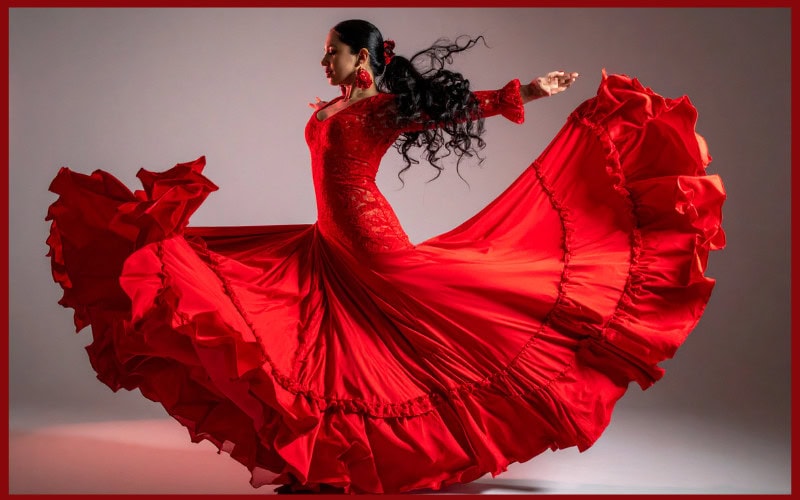
The gorgeous costumes add another layer of drama. I love watching the colorful, flowing dresses whirl and snap with every turn as the fringed shawls become extensions of the dancer’s arms.
The men wear suits with vests that they often clutch and move back and forth with the rhythm of their dance.
Atmosphere and Staging of a Flamenco Performance
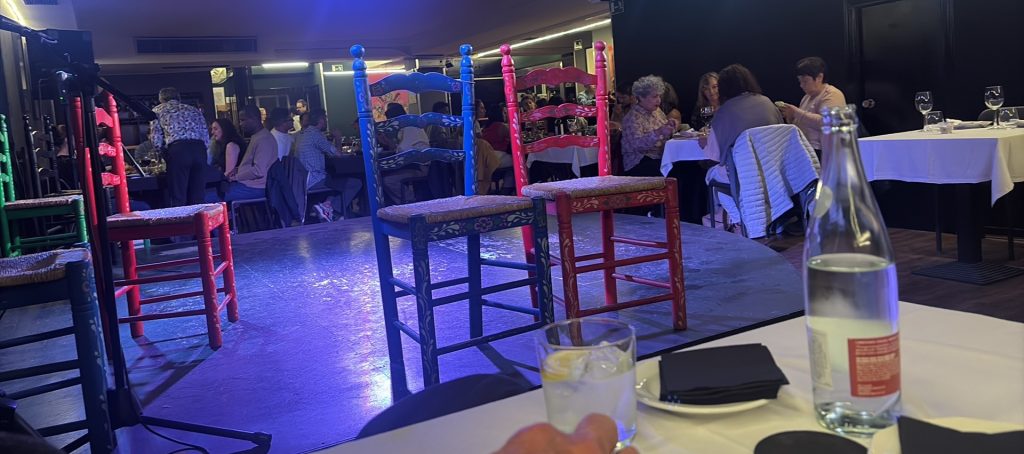
Most tablaos are intimate spaces with dim lighting, simple wooden stages, and seating that brings the audience close to the performers.
You can hear the intake of a dancer’s breath as they prepare for a rapid burst of footwork or catch the subtle nod a guitarist gives before launching into a new rhythm. Here is the view of the stage at Las Carboneras in Madrid form our table. We were that close!
Audience participation is not only welcomed but also expected. A well-timed “¡olé!” from a captivated viewer can fuel the performers, pushing them to take risks or dive deeper into the emotional current of the moment.
Because the energy flows between stage and audience, every show feels different. Sometimes the room is quiet and reverent; other nights, the crowd is raucous and engaged, the “¡olés!” coming almost as fast as the footwork.
Typical Format of a Flamenco Show
A typical flamenco includes the following components, which can occur multiple times and in any order:
- Group numbers set the mood with dancers, singers, and guitarists together.
- Guitar solos showcase the virtuosity of the guitarists.
- Individual dance solos are performed by each dancer in turn, the intensity building over the duration of the performance.
At the end of the performance, all performers take the stage to deliver a powerful finale that often ends in thunderous applause.
While photography is generally not allowed at a flamenco performance, a tablao may permit photographs of the final number.
Where to See Flamenco Shows in Seville
Here are some of the many venues featuring flamenco in Seville, the Spanish city most associated with flamenco.
From the darkness of the tablao, you’ll emerge into evening air that has slightly cooled after the searing heat of the day (at least in the summer). Stroll through the streets to find a place for a drink or a bite to eat while you process what you’ve just witnessed.
Seeing flamenco in Seville feels downright mystical.
Museo del Baile Flamenco (Flamenco Dance Museum)
Founded by Cristina Hoyos, one of Spain’s most celebrated dancers, the Flamenco Dance Museum offers both an educational experience as well as some of the highest-quality performances in the city.
Exhibits feature costumes, video installations, and interactive displays and are designed to help newcomers understand the roots and styles of flamenco. See below for more information about what to see at the Flamenco Dance Museum.
In the courtyard at the center of the museum is a performance space. There, you’ll see dancers displaying a level of technique and control that will leave you breathless.
The Flamenco Dance Museum is one of the best places to see your first flamenco show. Here’s a ticket option with GetYourGuide:
La Carbonería
Tucked away in the Santa Cruz neighborhood, this spot has a casual, bohemian vibe. Performances here feel spontaneous, and the crowd tends to include a mix of locals, students, and curious travelers.
It’s a great place to experience flamenco without the formality of a tablao.
Los Gallos
This venue on a quiet courtyard in the center of old Seville is an excellent choice. I’ve been twice! You’re sure to enjoy a great show of flamenco singing, dancing and guitar playing.
Tablao El Arenal
This classic Seville tablao is known for its strong lineups and polished productions. While dinner-and-show packages are available, the real highlight is the quality of the dancing. If you’re looking for a more theatrical presentation without sacrificing authenticity, this is a solid choice.
Where to See Flamenco Shows in Madrid
Madrid’s flamenco scene is sophisticated, diverse, and influenced by performers from all over Spain. Here are some highlights.
Corral de la Morería
Often called the most prestigious tablao in the world, Corral de la Morería is where top-tier dancers and musicians perform. The setting is elegant, the lighting dramatic, and the energy electric.
Emociones
Emociones is in a theater rather than a club. Arrive early to snag seats as close to the front of the theater as possible.
We were in the second row directly in front of the stage. The price includes one drink each.
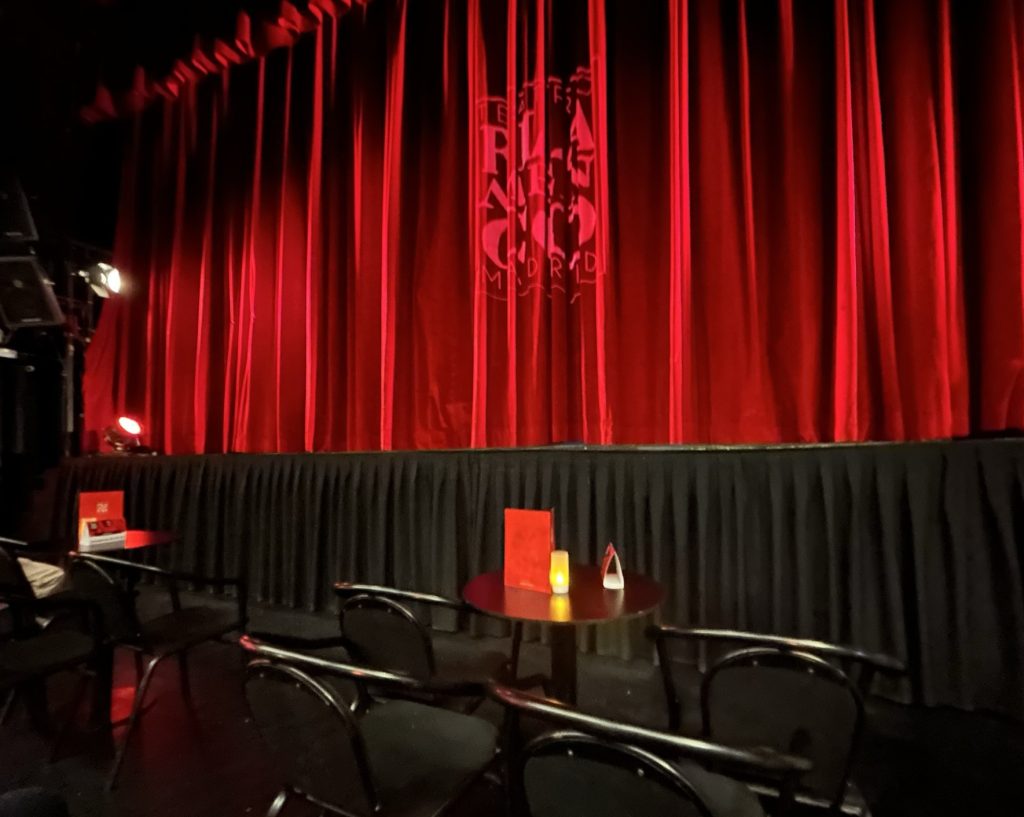
The hour-long show features six performers: two female dancers, one male dancer, a guitarist and two female singers.
Focus some of your attention on the feet of the performers, particularly the man who slides, stomps, stamps, and even jumps. I love how he fixes his eyes high above the heads of us mere mortals in the audience as if communing with the great flamenco god in the sky.

Las Carboneras
Las Carboneras offers a blend of traditional flamenco with modern flourishes. The atmosphere is relaxed, and the performers often experiment with different styles and rhythms, making it an exciting venue for repeat visitors.
However, dinner is served here, often catering to large tour groups. If you’re traveling solo or in a pair, you’ll likely get shunted to a table with less-than-optimal sight lines, even if you arrive early.
I’ve attended two performances at Las Carboneras. The performers at both were marvelous, but I prefer the theater setup at Emociones.
The Flamenco Museum in Seville: What to Expect
The Flamenco Dance Museum offers a superb overview of the history, styles, and cultural significance of flamenco. The exhibits include beautifully preserved costumes, archival photographs, and multimedia pieces featuring the sights and sounds of different palos (flamenco styles).
Interactive stations allow you to try basic footwork patterns or test your rhythm. This is an eye-opening experience if you’ve ever wondered how dancers keep such complex time.
As mentioned, the courtyard performances are a highlight: intimate, intense, and performed by top-tier artists.
After visiting the museum, I found that I watched live performances differently. I noticed subtle hand movements, rhythmic cues, and stylistic details that I’d never appreciated before.
Tips for Choosing the Right Show
- Book ahead, especially in high season. Dinner-only venues are not your best bet. In my experience, they are booked up with tour groups and individuals are allocated to tables with less-than-optimal sight lines.
- Choose smaller venues if you want a raw, authentic experience.
- Check performer lineups: some tablaos regularly host award-winning dancers.
- Consider late-night shows which often have more passionate crowds and performers. Respect performance etiquette: never speak during solos, don’t use flash photography, and keep table chatter to the barest whispers.
Flamenco and Art
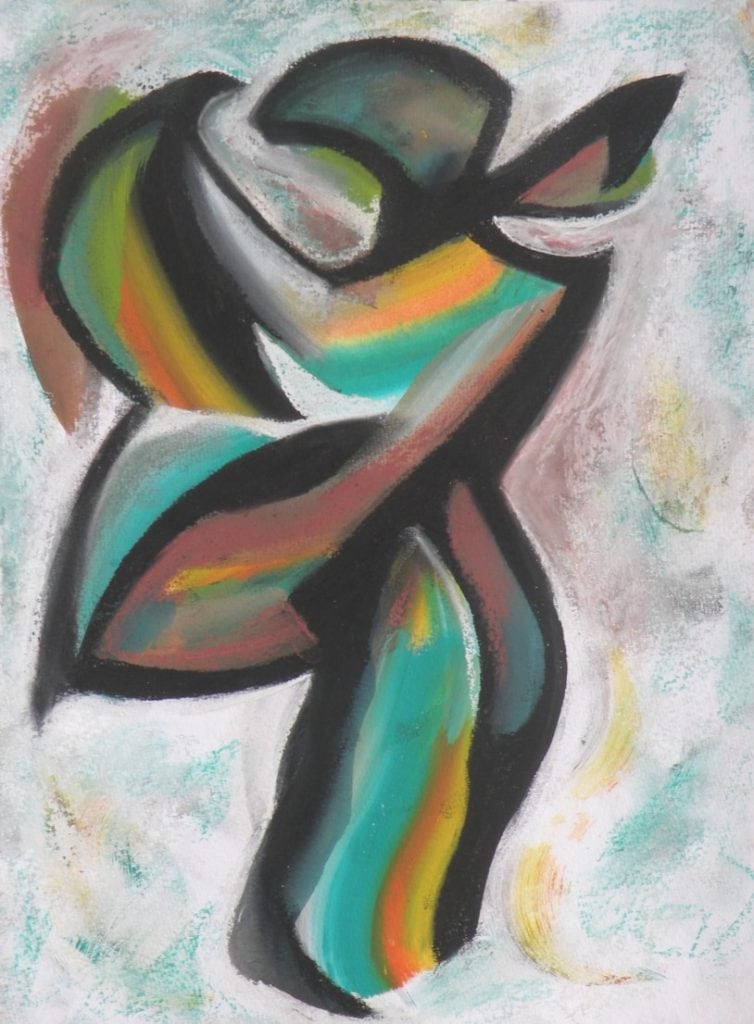
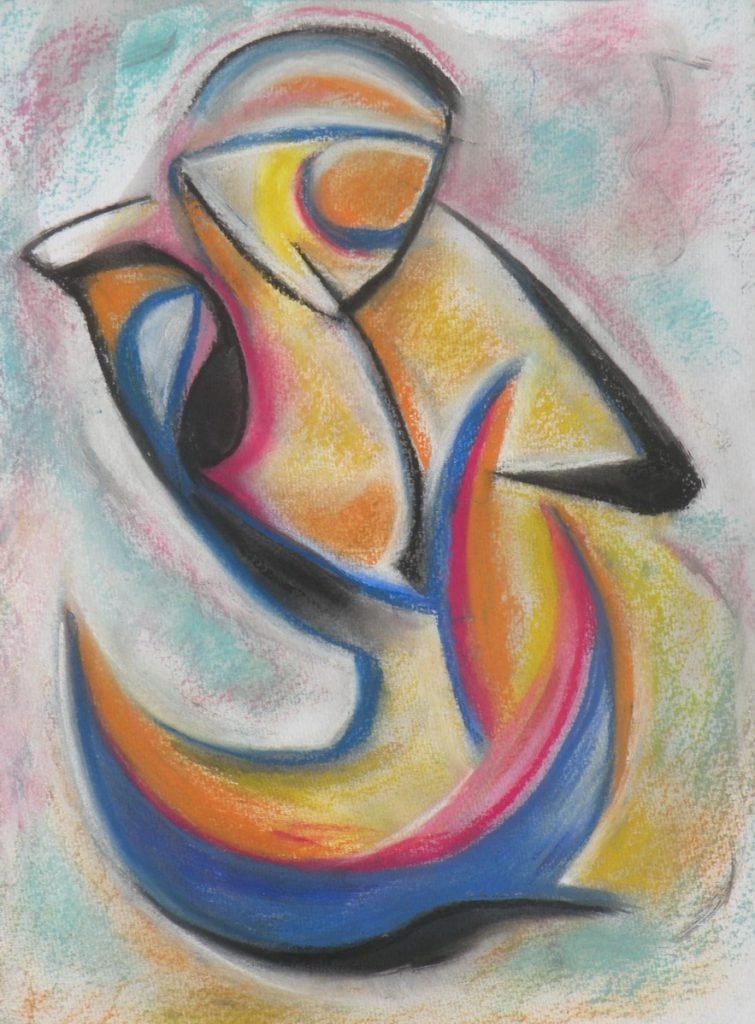
If you’ve been reading my blog for a while, you know that my husband, Gregg Simpson, is a visual artist. As a result of our attending many flamenco performances since seeing our first in 2010, Gregg has created a whole series of paintings and drawings inspired by flamenco.
Several of the works in his flamenco series have been exhibited in Madrid, Turin, and Rome. Here is a selection:
Flamenco is one of the most powerful cultural experiences you can have in Spain.
It’s raw, it’s intimate, and it’s unforgettable.
After attending many shows across Seville and Madrid, as well as in Cordoba, Granada and even Barcelona (although not usually a place for flamenco), I can say that no two performances feel the same, and each one leaves a lasting impression.
Attending a flamenco performance will give you a deeper connection to Spain’s artistic heritage. Go with an open mind and let the rhythm pull you in. Let flamenco capture your soul the way it did mine.
Flamenco FAQs
Here are some of the questions I’ve been asked about seeing flamenco in Madrid and Seville.
Usually between 60 and 90 minutes. The ticket price often includes one drink, including wine, beer, and soft drinks.
Often yes, but intense performances may be loud and too intense for younger children. Check the venue’s policies.
No. Flamenco is about emotion, rhythm, and expression. At shows where many people in the audience are visitors, announcements may be made in both Spanish and English.
Yes, especially in Seville and Madrid during peak travel season.
Flamenco combines dancing, singing and guitar in a mutually interdependent performance.
Many venues forbid photos during the performance but allow photographs at the very end when all the performers are on stage for their final bow.
Keep Exploring Spain with Artsy Traveler
Seeing flamenco shows in Spain offers a powerful connection to the country’s artistic heritage. Here are more posts about Spain.
- Where to Stay in Spain: My Best Picks
- Artsy Favorites in Spain
- Two Packed & Fabulous Days in Trendy Barcelona
- Exploring the Heart of Spain: Four Compelling Destinations for the Artsy Traveler
Would you like to save this post?

Carol M. Cram writes novels inspired by the arts; runs Artsy Traveler, an arts-focused travel blog, and Art In Fiction, a curated database of 2,700+ novels inspired by the arts; and hosts The Art In Fiction Podcast. She has also authored 60+ textbooks on computer applications and taught at Capilano University for over two decades. Carol lives with her husband, artist Gregg Simpson, on beautiful Bowen Island near Vancouver, BC.

 See all my novels