
Santander, Spain: Best 3 Museums for Art and History Lovers
I'm Carol Cram, novelist and arts travel writer, and founder of Art In Fiction, a curated database of 2,700+ novels inspired by the arts. Artsy Traveler contains affiliate links for products and services I personally use and recommend. As an Amazon Associate, I earn from qualifying purchases. Please read the Disclosure for more information.
If you’re looking for an off-the-beaten-path Spanish destination with three excellent museums, you can’t go wrong with Santander on Spain’s northern coast.
This relaxed city in the province of Cantabria doesn’t overwhelm you with blockbuster attractions. Instead, it rewards you with a handful of thoughtfully curated museums, an appealing waterfront setting, and a distinctly local vibe.
Located about an hour west of Bilbao on Spain’s north coast, Santander makes an easy stop on a Northern Spain road trip or a short cultural break on its own.
I spent two nights here and one full day exploring what I consider the three best museums in Santander: a standout prehistory museum, a modern-art center overlooking the harbor, and a maritime museum that reflects the city’s long relationship with the sea.
If you only have time for one museum in Santander, make it the Museo de Prehistoria—it’s a winner.
This post is part of my guide to artsy & independent travel in Spain, where I share my best tips for exploring Spain’s creative cities, historic sites, literature, theater, and cultural experiences.
Table of Contents
- Santander Quick Facts
- Why Visit Museums in Santander?
- 1. Museo de Prehistoria y Arqueología de Cantabria
- 2. Centro Botín (Botín Art Centre)
- 3. Maritime Museum of Cantabria
- Public Art in Santander
- Walking Around Santander
- Beyond the Museums: Exploring Outside Santander
- Tours and Day Trips Near Santander
- Keep Exploring Spain with Artsy Traveler
Santander Quick Facts
- Location: Northern Spain, on the Bay of Biscay
- Region: Cantabria
- Population: Approximately 175,000
- Best time to visit: April–June and September–October
- Vibe: Relaxed, coastal, local, and refreshingly untouristy
Why Visit Museums in Santander?
I had no idea what to expect when I included Santander as part of my Northern Spain itinerary, and was delighted to discover an untouristy Spanish city that is well worth a two-night stay.
There are no headline-grabbing monuments here. Instead, the appeal lies in the laid-back pace, good food, walkable waterfront, and, most appealing, a trio of well-curated museums that are easy to visit without risking museum fatigue.
If you’re looking for cultural sightseeing without pressure, Santander fits the bill beautifully.
1. Museo de Prehistoria y Arqueología de Cantabria
I have a long-standing interest in prehistoric civilizations, particularly in the art and artifacts they left behind, so this museum was at the top of my Santander list.
The Museo de Prehistoria y Arqueología de Cantabria does not disappoint. Its beautifully designed exhibitions take visitors from the earliest evidence of human occupation in the region through Roman times and into the Middle Ages.
This is one of the best prehistory museums I’ve visited, and I don’t say that lightly.
First, it’s compact: all the exhibits are displayed on a single level, making it easy to navigate without feeling rushed or overwhelmed.
Second, it’s comprehensive. You move through a series of dimly lit rooms tracing human presence in Cantabria from hundreds of thousands of years ago through medieval times.
Even better, I had the museum almost entirely to myself, which made the experience even more absorbing.
Touring the Museum
All information is presented in several languages, including excellent English translations. In addition, interactive quizzes add a playful educational element.
One quiz challenged visitors to identify the era of three different skulls based on jaw structure, forehead slope, and brain cavity size.
I confidently guessed that the skull with the largest brain cavity belonged to Cro-Magnon. Wrong; it was Neanderthal. Those guys had us beat by many hundreds of thousands of years.


The prehistory section is first-rate. I learned a great deal about stone tools and early weapons and about artifacts related to Cantabrian cave art.
Several dioramas such as the one shown below bring the humanity of our early ancestors to life.

Also notable are the displays related to cave art in the region. Santander is a short drive from Santillana del Mar, where the Cave of Altamira is located. This cave is a must-see for art enthusiasts. The quality of the artwork and the comprehensive museum rivals my two other favorite cave painting sites in Europe: Lascaux and Chauvet.
Here’s one of the displays showing a cave painting of a deer.

Steles
One large room is devoted to displaying some of the Cantabrian steles. These are considered one of history’s great enigmas. Little is known about who made the giant steles, when they were made and, most importantly, why they were made.
It’s suggested they were carved between the late first century BCE and the third century CE, but no one knows for sure.
What we can see is that they are very impressive and beautifully presented.

Romans
Just when I’ve decided I’ve seen the highlights of the museum, I wandered into the Roman area. It’s marvelous!
One highlight is a projection of a Roman bath populated by local nobles and their servants. Sit on one of the benches provided and enjoy the show. Sound effects such as running water and the murmuring of the “actors” add to the realism.

This rich history of this area of Spain deserves plenty of time to enjoy. Take your time in this museum; it rewards your attention with some of the most thoughtfully-curated exhibits I’ve seen at similar museums in Europe.
Practical Information: Museo de Prehistoria
- Time required: 1.5–2 hours
- Accessibility: Flat layout, easy to navigate
- Languages: Spanish and English
- Hours: Tuesday to Sunday from 10:00 to 14:00 and 17:00 to 20:00; closed Mondays
- Location: Mercado del Este, Santander
2. Centro Botín (Botín Art Centre)
You can’t miss the Centro Botín. Like some sort of giant cylindrical bug, it rises above Santander’s attractive waterfront, casting shade over pedestrians below. I wouldn’t call it beautiful, not like Bilbao’s Guggenheim, but it is undeniably distinctive.
Before arriving in Santander, I was unfamiliar with the Centro Botín, and was surprised to look down from our room on the 7th floor of the Bahía Santander Hotel and see the museum dominating the waterfront.

I discovered that the museum is worth visiting for both its temporary exhibitions as well as its setting above Santander Harbor. While you won’t find a long list of internationally famous names, the exhibitions are often thoughtful and engaging.
Special Exhibition: Maruja Mallo
During our visit, we saw an extensive exhibition devoted to Maruja Mallo, a Spanish artist active in the 1930s.
Her painting La Verbena (1927) is a joyous depiction of a fair, bursting with movement and energy. Mallo includes herself in profile behind two women running freely in the foreground, an image often interpreted as a statement about women’s access to public space.

I’d previously seen this painting at Madrid’s Reina Sofía, and it was a pleasure to encounter it again within the context of Mallo’s broader body of work.
Permanent Collection
The small permanent collection at the Centro Botín includes several strong works by 20th-century Spanish artists, including a luminous painting by Joaquín Sorolla.
Sorolla, an Impressionist painter active in the late 19th and early 20th centuries, is famous for his ability to capture light, particularly in beach scenes and in images of figures near water.

After exploring the galleries, step outside onto one of the viewing platforms to take in excellent harbor views. At ground level, a stylish café is the perfect place to linger by the water.
Here’s Gregg (husband, travel companion and artist) standing on one of the platforms overlooking the view.

Practical Information: Centro Botín
- Location: Santander waterfront, next to Jardines de Pereda
- Time required: 1–1.5 hours
- Accessibility: Fully accessible throughout
- Languages: Spanish and English
- Hours: Tuesday to Sunday from 10:00 to 20:00; closed Mondays
- Website: https://www.centrobotin.org
3. Maritime Museum of Cantabria
A scenic twenty-minute walk along the harborfront brings you to the Maritime Museum of Cantabria. If maritime history and marine life interest you, it’s well worth a visit.
The upper floor focuses on Santander’s seafaring past, with historic photographs, ship models, and displays tracing the region’s relationship with the sea. Here is a series of models showing the shipbuilding process back in the day.


I also appreciated the display showing the human side of maritime history. This photograph of local women selling fish particularly appealed to me because it reminded me of the working-class Yorkshire women who inhabit my fifth novel, The Choir. Imagine the lives of these hard-working women who still found time to braid their hair into neat styles while working punishing hours every day.

On the lower level, you’ll find a small aquarium with several dimly lit tanks showcasing local marine species.
We took a taxi to the museum from the Hotel Bahía and then walked back along the pedestrian-only waterfront path. On a sunny, breezy April day, this stroll was one of the highlights of our stay and a great example of Santander’s commitment to attractive public spaces.
Practical Information: Maritime Museum
Location: Avenida de Severiano Ballesteros, Santander (harborfront)
- Time required: 1–1.5 hours
- Accessibility: Mostly accessible; some areas require ramps
- Languages: Spanish and English
- Hours: Tuesday to Sunday from 10:00 to 18:00; closed Mondays
- Website: https://museosdecantabria.es/museo-maritimo-del-cantabrico
Public Art in Santander
Art is not confined to museums in Santander. Public art in the form of intriguing sculptures are scattered along the walkway bordering the harbor. I especially enjoyed these sculptures depicting bathers. So creative!


You’ll also find several striking sculptures in the park near the Centro Botín, including a Miró and a group of elongated figures that look particularly atmospheric at night.


Walking Around Santander
Santander is a compact, walkable city with an interesting cathedral, several indoor markets, and a lively food scene. The people we met were very proud of being Cantabrian and were eager to share information about local delicacies.
Northern Spain feels distinctly different from the south with its flamenco and vast distances. Here’s a typical street in Santander that is a good example of the windows found in buildings all over this region.

Walking Tour of Santander
I recommend taking a walking tour of Santander. This small-group tour from GetYourGuide promises the best of Santander in two hours: its bay, its history, and its most emblematic corners.
Beyond the Museums: Exploring Outside Santander
If you have time, the coastal landscape outside Santander is well worth exploring. Jagged cliffs, deep blue water, and very few people make this stretch of the Cantabrian coast ideal for peaceful cliffside walks.


Tours and Day Trips Near Santander
Santander makes a perfect homebase for exploring several noteworthy areas within a short drive.
Santillana del Mar
Santillana del Mar is charming and historic, and easily reached from Santander. If you’re short on time, consider a day trip from Santander, but if you have your own wheels, stay the night. The main attraction here is the Caves of Altamira. Here, you’ll find stunning cave paintings accessible by guided tour from the visitor center that is also an excellent small museum.
If you can, get the English tour. I was mistakenly booked on the Spanish tour and since my Spanish is extremely limited, I didn’t learn much. But I did get to take some great pictures of the cave art.

Here’s a guided tour of the caves with GetYourGuide that is offered in English:
Tours Around Santander
Here are three tours with GetYourGuide that explore the areas around Santander:
Keep Exploring Spain with Artsy Traveler
Santander may not shout for attention, but for arts and history lovers seeking a relaxed stop in Northern Spain, its museums make a compelling case for lingering a little longer. Here are more posts about traveling in Spain:
- Exploring Spectacular Northern Spain & Basque Country: My Best Bets
- Best Artsy Sightseeing in Spain
- Where to Stay in Spain: My Best Picks

Carol M. Cram writes novels inspired by the arts; runs Artsy Traveler, an arts-focused travel blog, and Art In Fiction, a curated database of 2,700+ novels inspired by the arts; and hosts The Art In Fiction Podcast. She has also authored 60+ textbooks on computer applications and taught at Capilano University for over two decades. Carol lives with her husband, artist Gregg Simpson, on beautiful Bowen Island near Vancouver, BC.
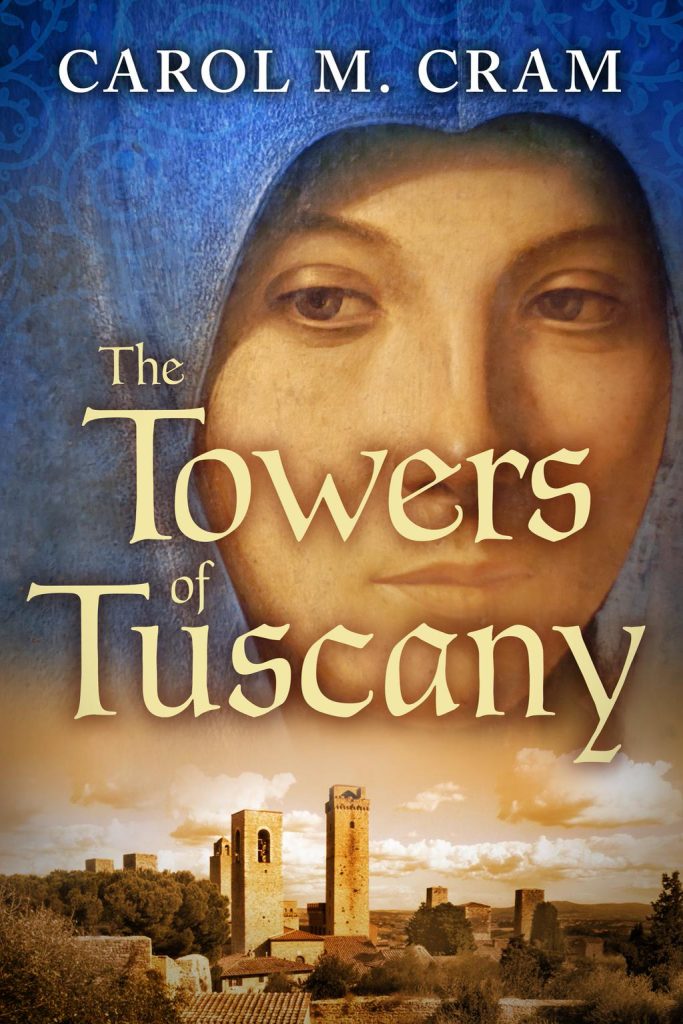

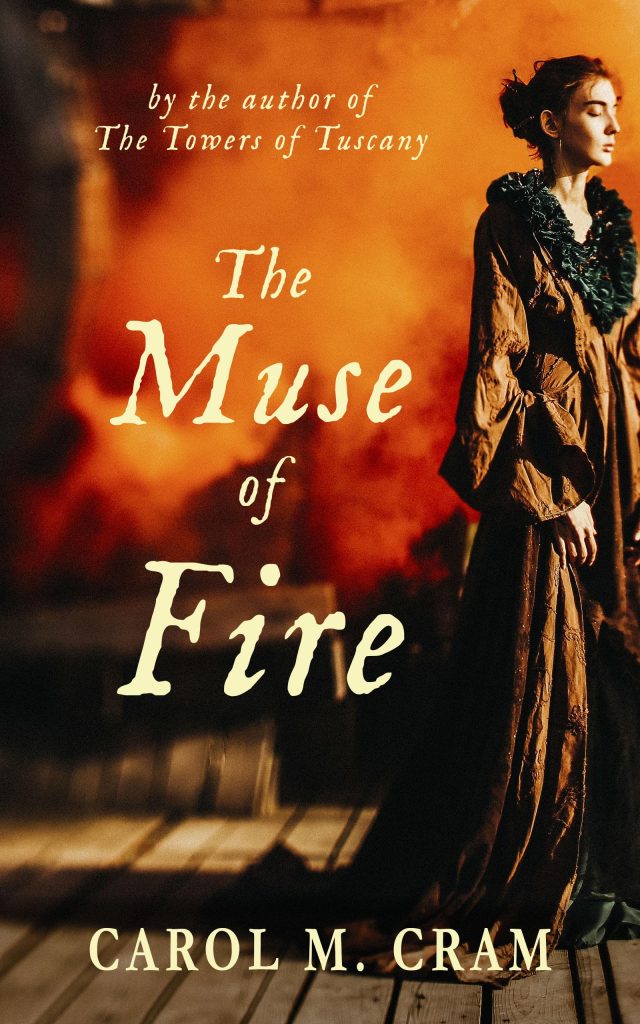

 See all my novels