
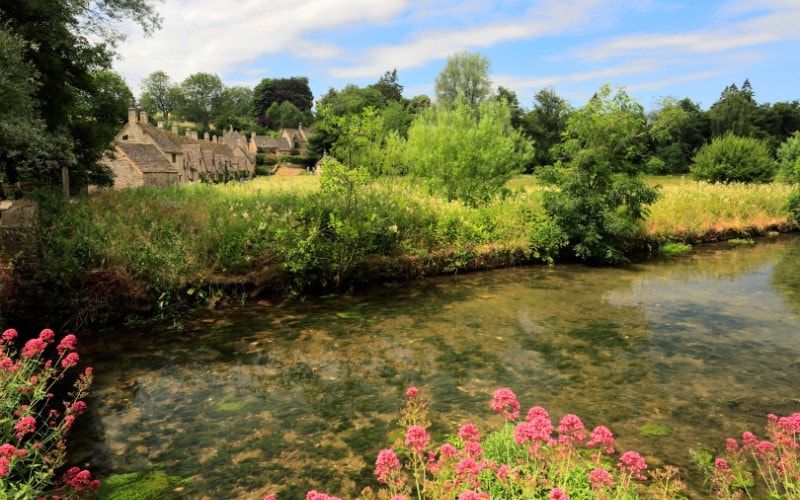
Hidden Gems of the Cotswolds: An Excellent Day Out with Go Cotswolds Tours
I'm Carol Cram, novelist and arts travel writer, and founder of Art In Fiction, a curated database of 2,700+ novels inspired by the arts. Artsy Traveler contains affiliate links for products and services I personally use and recommend. As an Amazon Associate, I earn from qualifying purchases. Please read the Disclosure for more information.
If England had a fairy-tale setting, it would be the Cotswolds. Its gentle hills stitched together with stone cottages, crooked lanes, and villages look as though they haven’t changed in centuries.
I’d always wanted to wander through this dreamy region, but navigating it without a car felt impossible. I was traveling around England on my own and didn’t want the hassle of renting a car.
The Cotswolds in a Day tour offered by Go Cotswolds Tours whisked me with ease from viewpoints to villages and along impossibly charming country roads.
The day was filled with serendipitous discoveries, rich local stories, and scenery straight from a watercolor sketchbook.
The tour is very reasonably priced and runs by minibus with an expert guide. Check the Go Cotswolds website for details.
This post is part of my guide to artsy & independent travel in England, where I share my best tips for exploring England’s creative cities, historic sites, literature, theater, and cultural experiences.
Quick Facts – Cotswolds & Go Cotswolds Tours
- Best for: First-time visitors, visitors without a car, scenic stops, and local insights
- Region type: Area of Outstanding Natural Beauty (picturesque English countryside)
- Tour focus: Small-group guided day tours with local host Go Cotswolds
- Typical stops: Chipping Campden, Dover’s Hill, Snowshill, Bibury, Stow-on-the-Wold, Bourton-on-the-Water.
- Departure points: Stratford-upon-Avon, Moreton-in-Marsh, and Oxford.
- Group size: Max ~16 people per tour vehicle.
- Tour types: Cotswolds in a Day, Secret Cotswolds, Walks & Villages, and themed seasonal tours.
Highlights of the Go Cotswolds Tour
- View from Dover Hill
- Solitary walk in Chipping Campden
- Lunch at the “oldest pub in England” in Stow-on-the-Wold
- Strolling around postcard-perfect Bibury
- Secret walk in Bourton-on-the-Water
The Cotswolds in a Day Tour
In this post, I present a comprehensive and honest account of the Cotswolds in a Day tour I took with Go Cotswolds.
Disclaimer: I am not affiliated with Go Cotswolds and paid for my tour. My overall rating is a solid five stars.
Pickup by Go Cotswolds
At precisely 9 am, a sixteen-seater van pulls up in front of the Pen and Parchment Inn in Stratford-upon-Avon where I stayed the night.
Out jumps the very friendly and knowledgeable Colin. He’s lived in the Cotswolds for 30 years and obviously loves sharing it with visitors. He stows my luggage in the back (I’m leaving for Birmingham at the end of the tour) and ushers me onto the bus.
Off we go! The Go Cotswolds tour includes six stops and many, many miles of scenic driving. Colin keeps up a lively commentary, and at every stop goes out of his way to engage with everyone. He’s one of the best guides I’ve ever experienced (and I’ve been on a lot of tours!).
Map of the Go Cotswolds Tour
Here are the places we visited on the Cotswolds in a Day tour. It’s amazing how much there was to see in such a relatively small geographic area!
Dover Hill
Our first stop is Dover Hill (#1 on the map above) that offers a stunning view of the Cotswolds over the Vale of Evesham. On a clear day, the view includes the towers of Birmingham and the foothills of the Welsh mountains.
A bit of mist on the horizon obscures some of the view, but it’s still amazing.
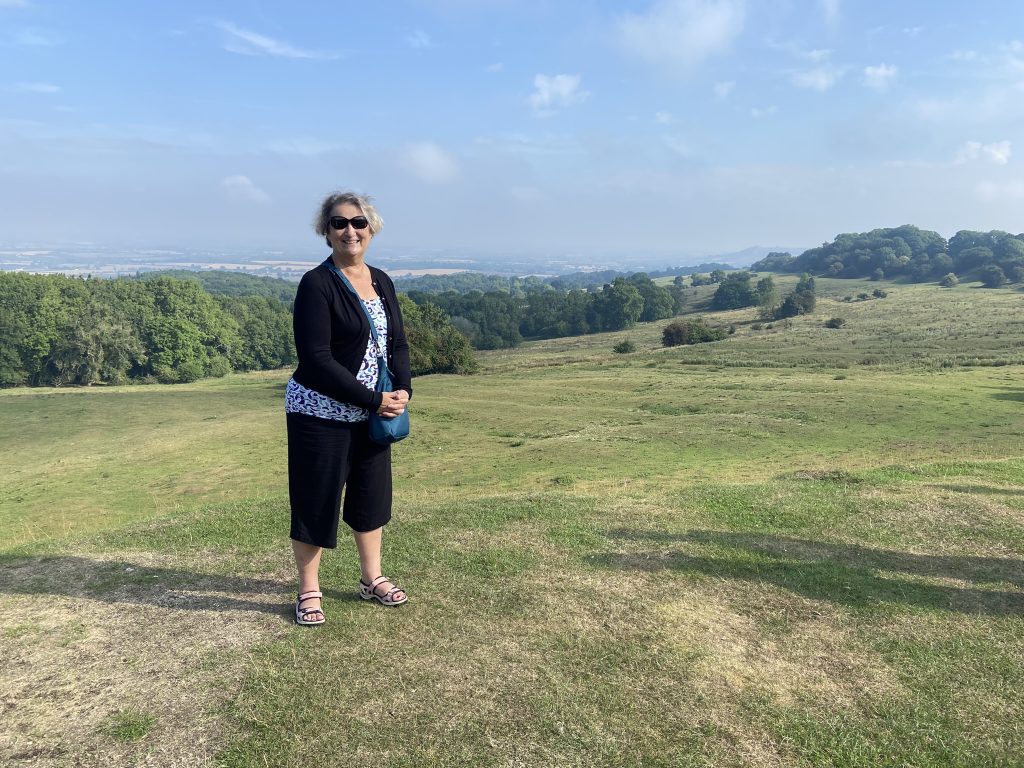
Colin tells us that this hill is the site of the annual (apart from the pandemic years) Robert Dover’s Olimpick Games. And yes, Olimpick is how they spell it!
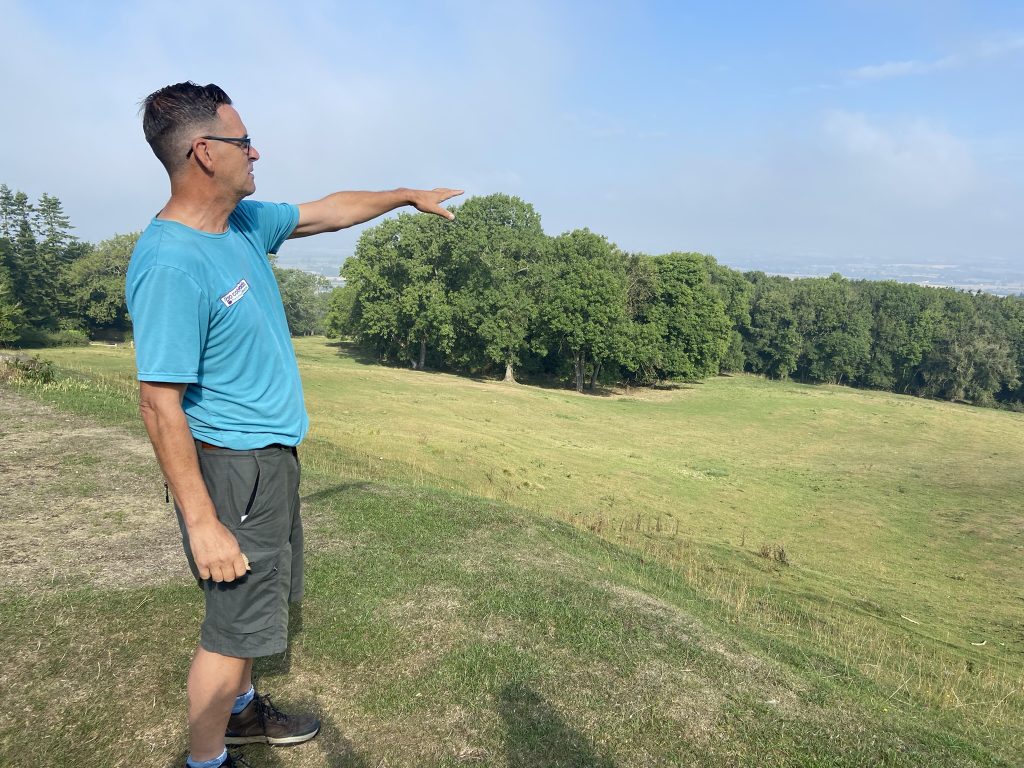
Events include such quirky activities as shin-kicking and cheese-rolling. Colin provides lively descriptions and directs us to check out the video proof on YouTube. Here’s a link to one of them.
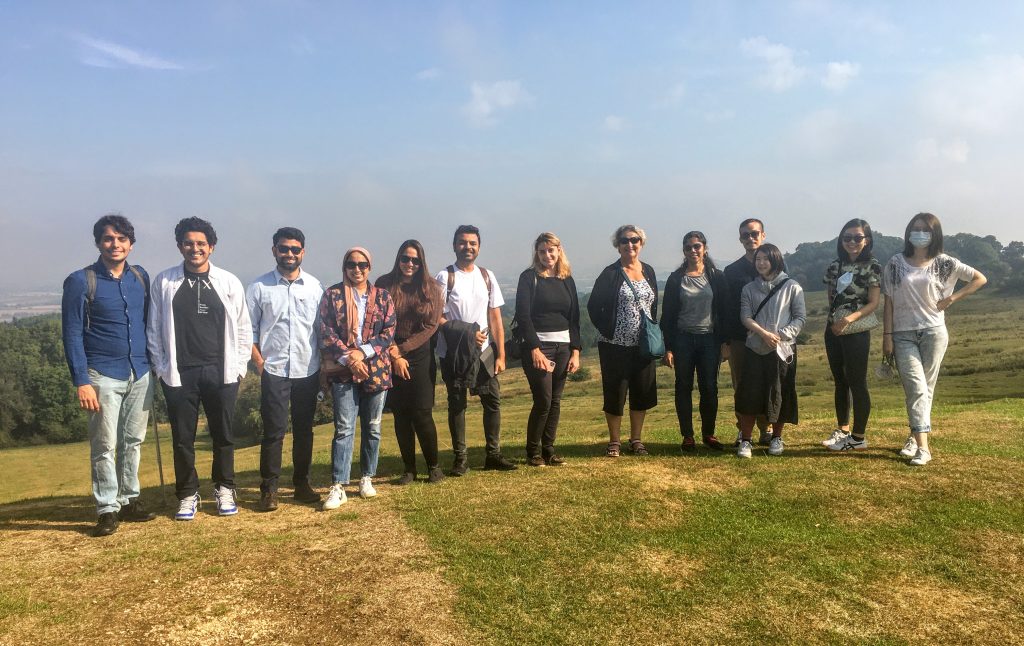
Colin takes a picture of the tour group on top of Dover Hill before we all pile back onto the bus to set off to our next stop.
Chipping Campden
As Colin skillfully navigates winding country roads, he describes how the use of the creamy, butter-colored Cotswolds stone defines the region. In fact, no new buildings may be built with any other material.
The local government carefully controls all development in the area, which has become a very expensive and fashionable area in which to live. We pass many gorgeous homes, some thatched, some with the iconic grey slate roofs. Each is impeccably maintained.
Maintaining Cotswolds Homes
Colin tells us that a friend paid 75,000 GBP to have his home re-thatched (a necessity every few decades). He also explains that a major effort is underway to train a new generation of craftspeople to tend to all the wonderful old homes in the area.
Young people are encouraged to enter apprentice programs straight out of school to train for a trade that will pay very well and guarantee a lifetime of work.
As a retired educator, I am heartened to hear about such skills-based programs.
A Walk through Chipping Campden
Chipping Campden (#2) at 10 am is quiet and peaceful. Colin advises us to take a walk to see a selection of thatched-roof cottages. I take his advice and set off. No one else follows so I’m alone for most of the walk.
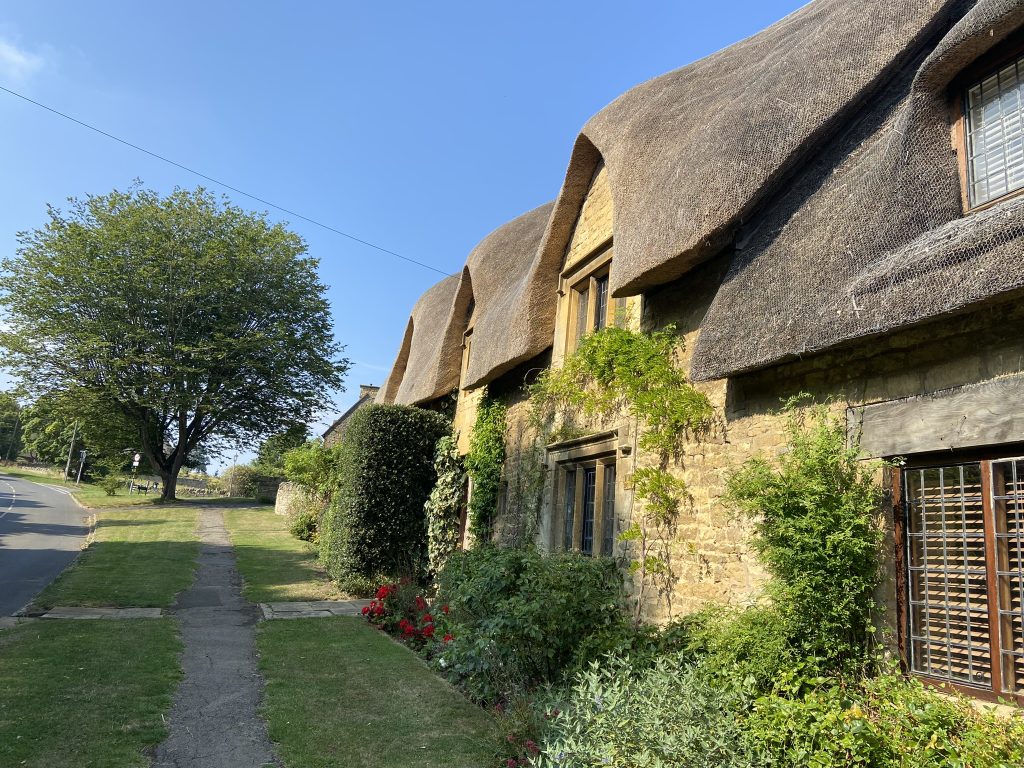
Birds chirping, sun gently shining, a rainbow of flowers spilling forth from every garden, quaint cottages—all boxes ticked.
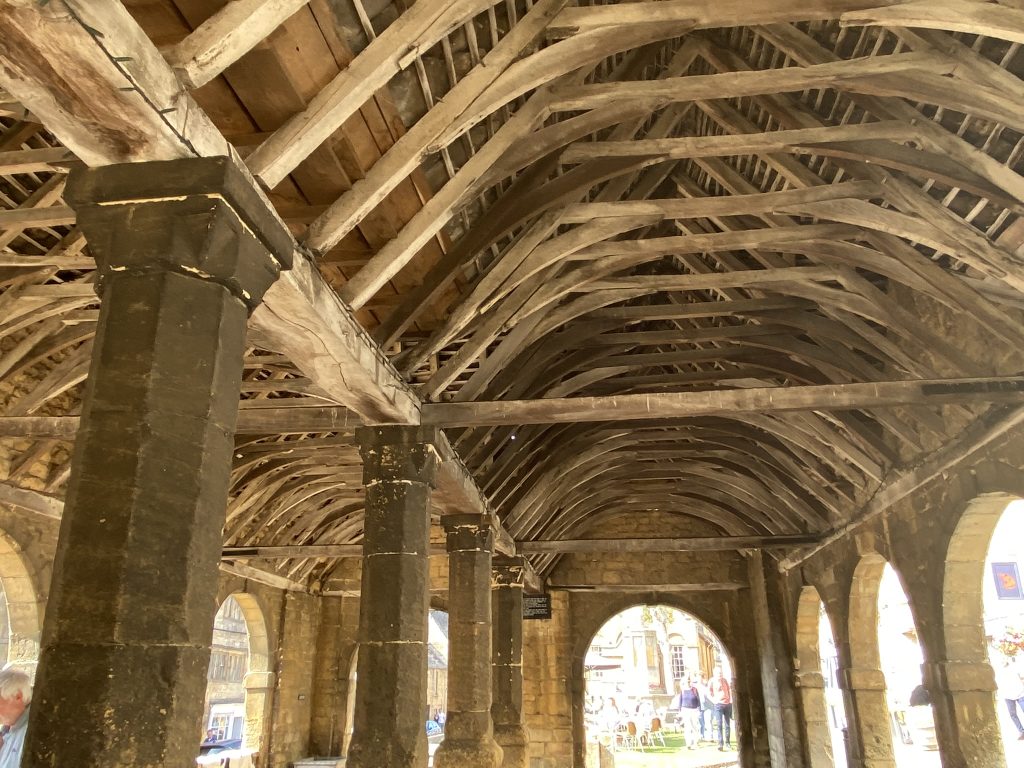
The walk takes me in a broad circle that leads back to the main street of Chipping Campden. I wander happily up and down the street, admiring the quirky shops, stopping at a cute little tea room (all the tea rooms are cute; I think it’s a bylaw) for a milky coffee, and checking out the market hall.
Built in the 17th century to provide shelter for market traders, the National Trust now owns the hall which still shelters traders. During my visit, the goods on offer are primarily sheepskins.
Snowshill
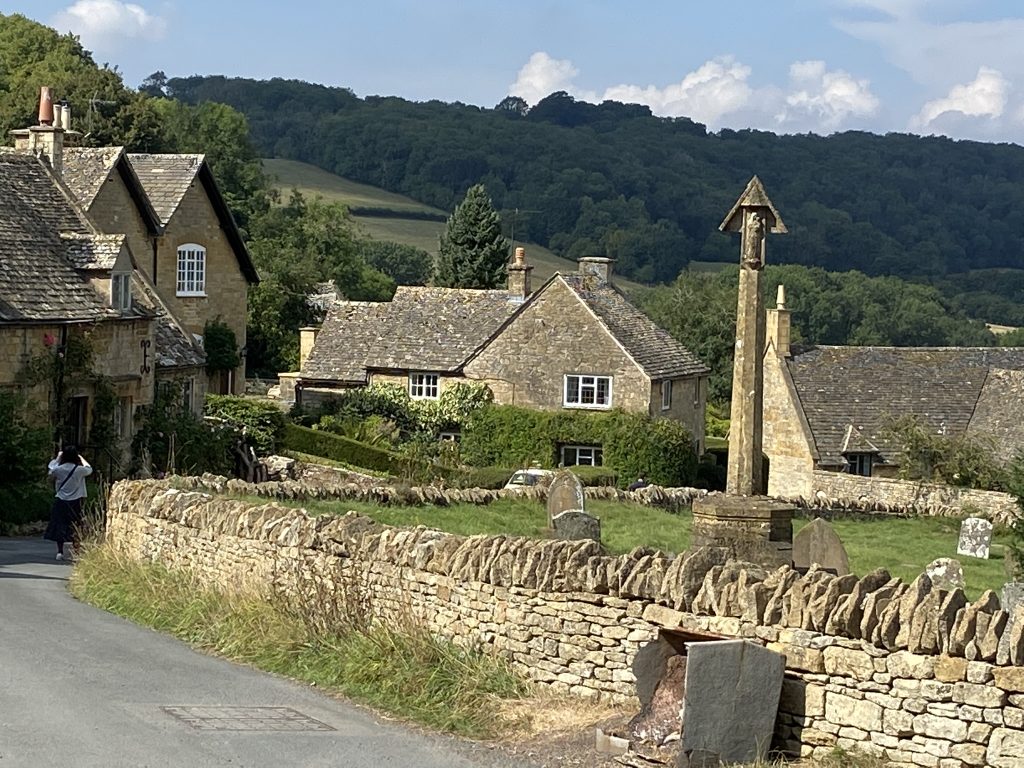
The tiny village of Snowshill (#4) is famous for its gorgeous views and as the setting for an iconic scene in the movie Bridget Jones’s Diary. We are lucky to arrive when no other tourists are around.
Unchanged for centuries, the village is a delight. The only sounds are the wind rustling through the trees and the plump cooing of wood pigeons.
I take some shots of the famous village street and hike up a hill to look out over a stunning view of the Severn Vale.
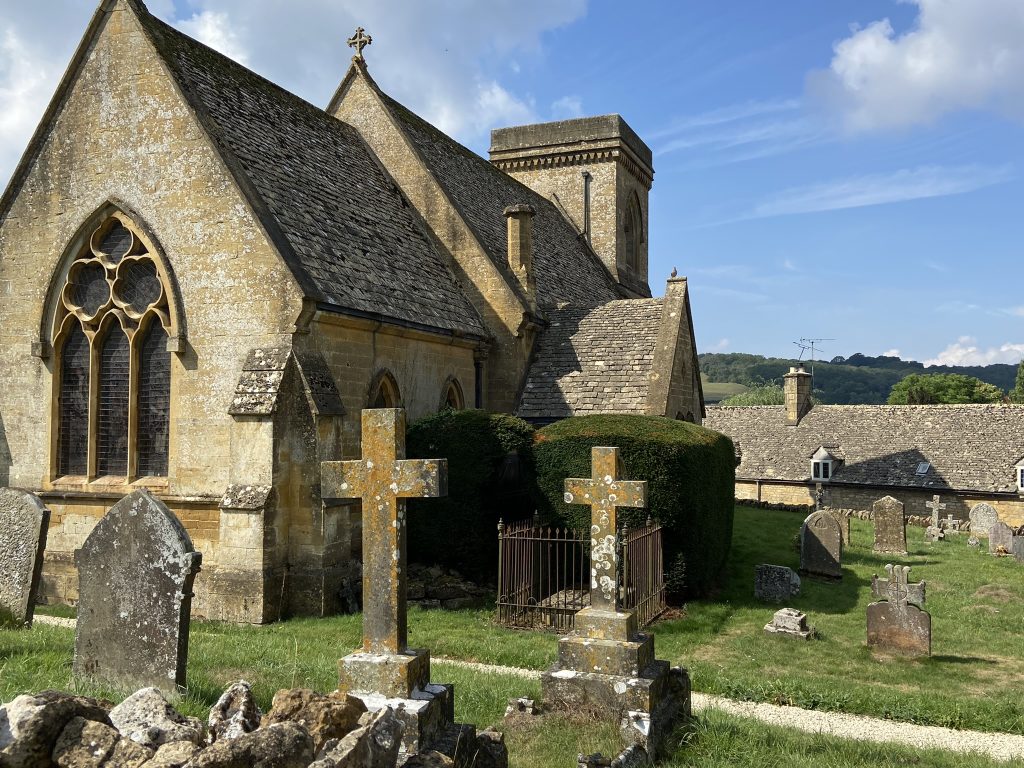
Nearby is Snowshill Manor, a National Trust property that includes picturesque gardens and an eclectic collection of toys, musical instruments, clocks, bicycles, samurai armor and more. We didn’t visit, but it sounds pretty cool!
Stow-on-the-Wold
More driving along even more achingly adorable country roads brings us to Stow-on-the-Wold (#5), one of the largest towns in the Cotswolds and our lunch stop.
The town is thriving as a result of tourism. There’s a surfeit of ancient pubs and more cute tea rooms and plenty of shops, all of which, according to Colin, are independently owned.
Franchises such as Starbucks do not exist in Cotswolds villages, which makes a nice change.
Lunch at the Oldest Pub in England
I choose to have lunch at the Porch House, billed as “the oldest pub in England.” I decide to go there after hearing from Colin that it was established in 947. The phone prefix for landlines on Bowen Island where I live is 947. I love the coincidence!
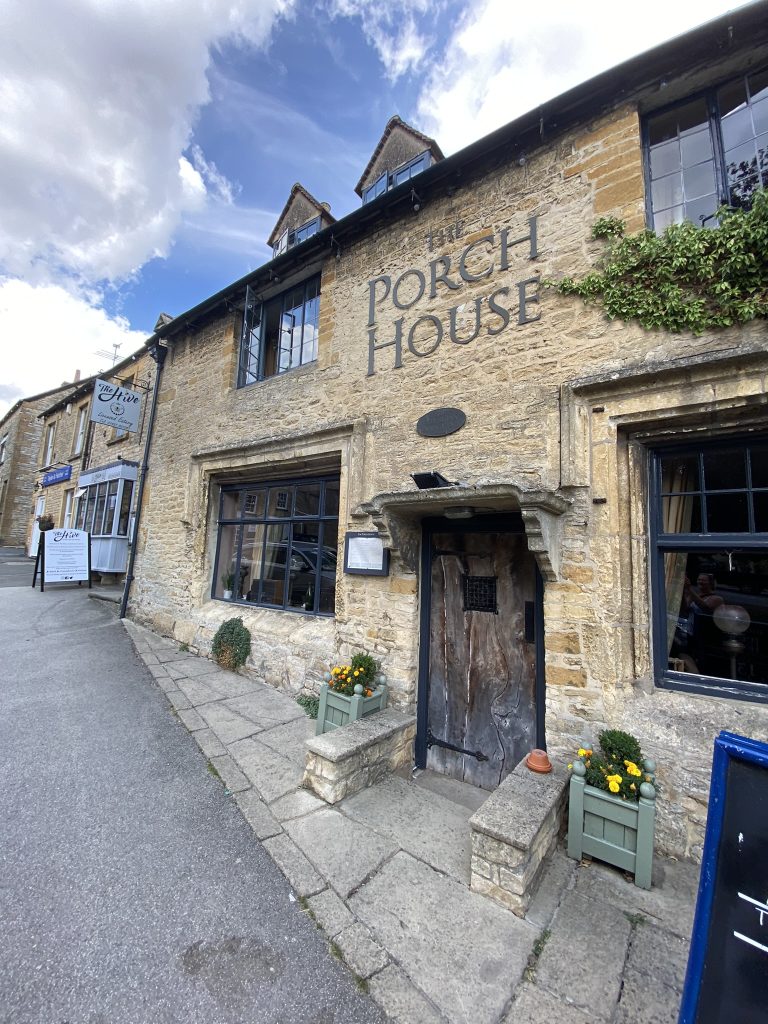
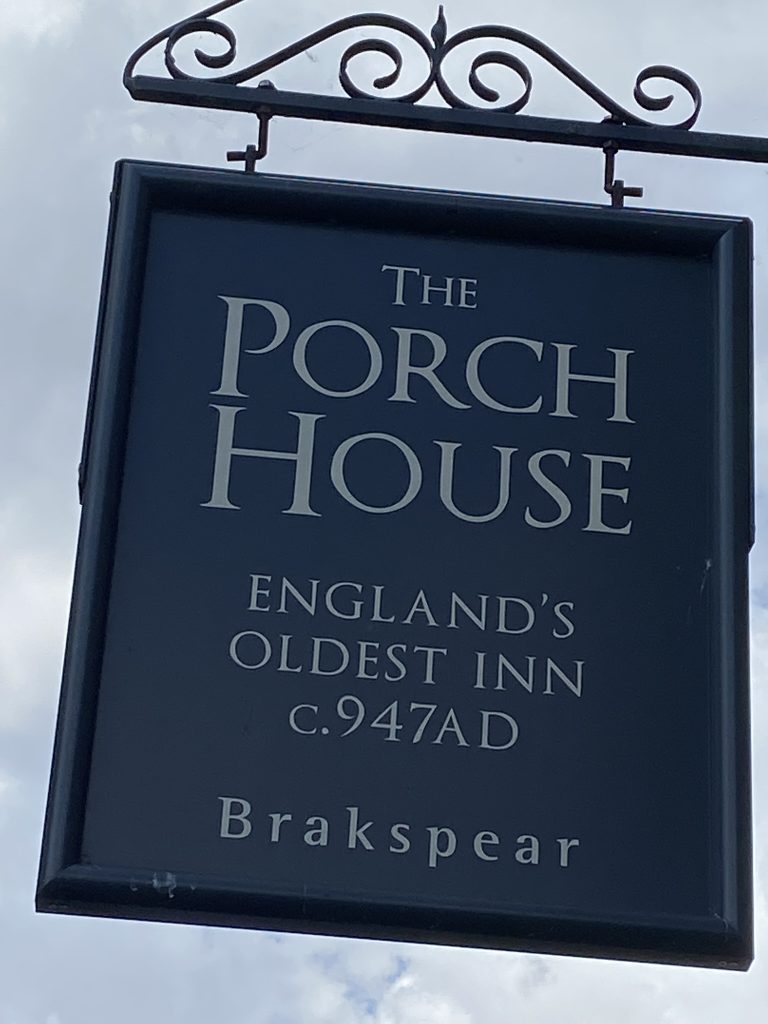
The Waldorf salad I order is very tasty, loaded with a great many satisfying lumps of local blue cheese, crisp green apple slices, candied walnuts and lots of fresh veggies.
I can’t help comparing the food I’m eating to what passed for food in the 1970s when lived in England as a student. First off, we never ate in restaurants, which was just as well because we had no money and restaurants were few and far between in those days. And second, the British had a well-deserved reputation for tasteless food.
I remember sharing meals with my flatmates when I was a student at Reading University, and everyone oohing and aahing over a “lovely” plate of cauliflower cheese: brown rice cooked until it turned white and lost every iota of texture, cauliflower cooked until it turned grey, and mild white cheddar (no taste whatsoever) melted in great blobs over the whole thing.
Lovely indeed.
St. Edward’s Church in Stow-on-the-Wold
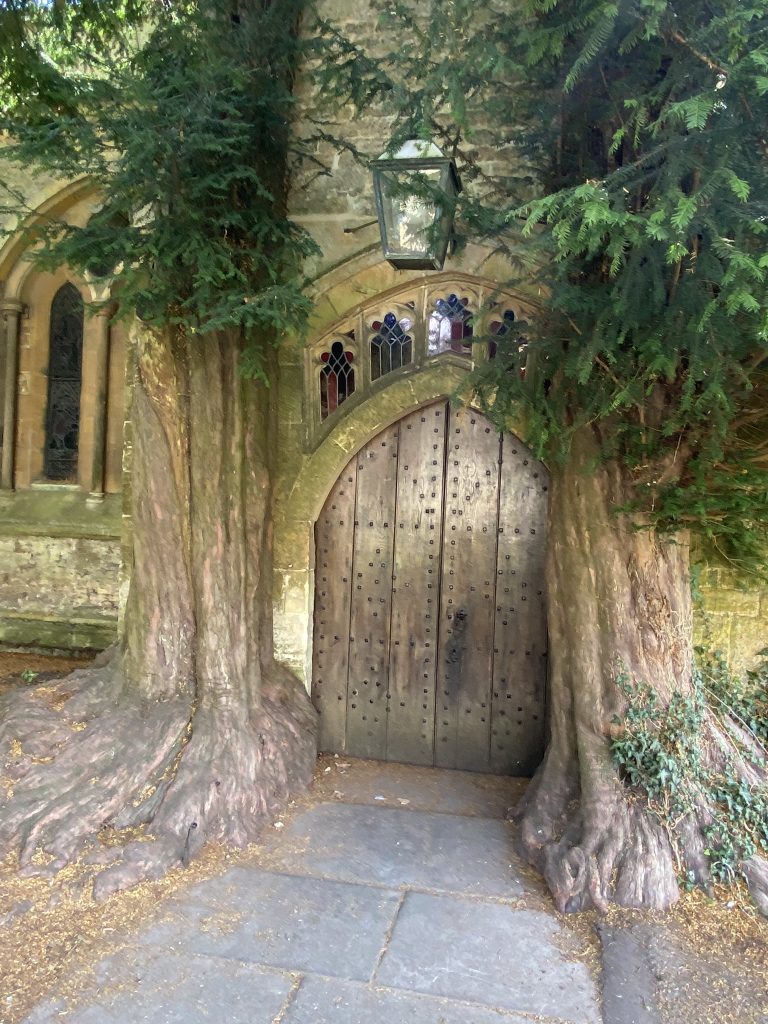
After lunch, I make a quick photo stop at St Edward’s Church to check out a mystical doorway that many say looks like a portal to another realm. J.R.R. Tolkien certainly thought so.
Ancient yew trees flank the doorway which allegedly inspired his Doors of Durin in the Lord of the Rings trilogy.
Driving Backcountry Cotswolds
Back on the bus, Colin takes us down even more back country lanes through the Coln Valley on the way to the town of Bibury which he says will be crowded (he’s right!). But to counteract the crowds to come, he treats us to a long, meandering drive through some of the most idyllic countryside in England.
The tiny villages look like they haven’t changed in centuries, which is more or less true. No wonder there’s been an exodus in recent years from the big cities to the countryside, resulting in sky-high real estate prices in the area.
Bibury
It’s a bank holiday Saturday, and thousands of people have converged upon tiny, sweet little Bibury (6). Described by William Morris as “the most beautiful village in England,” Bibury puts the charm in charming.
Arlington Row in Bibury
Bibury’s main claim to scenic fame is the row of cottages known as Arlington Row, reputed to be the most photographed and beautiful cottages in the country.
People live in the cottages, which must be a challenge during the summer. Hundreds of visitors file slowly past, each hoping to snap a picture of the row without other visitors in the way.
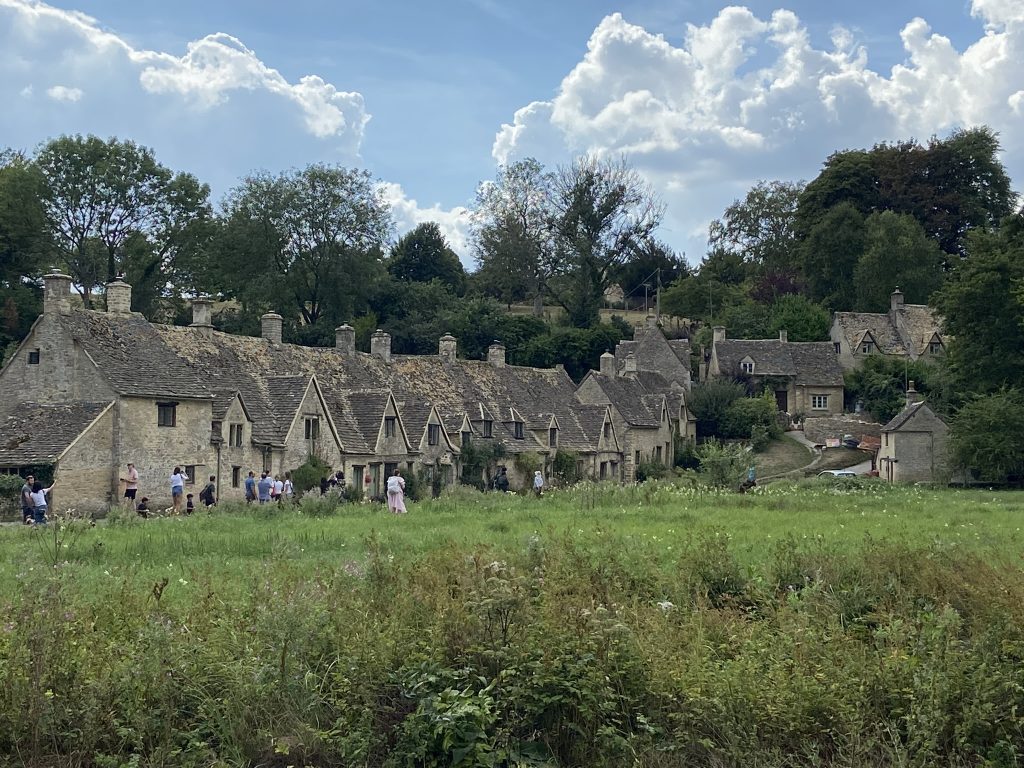
It’s an impossible task, although, like everyone else, I try.
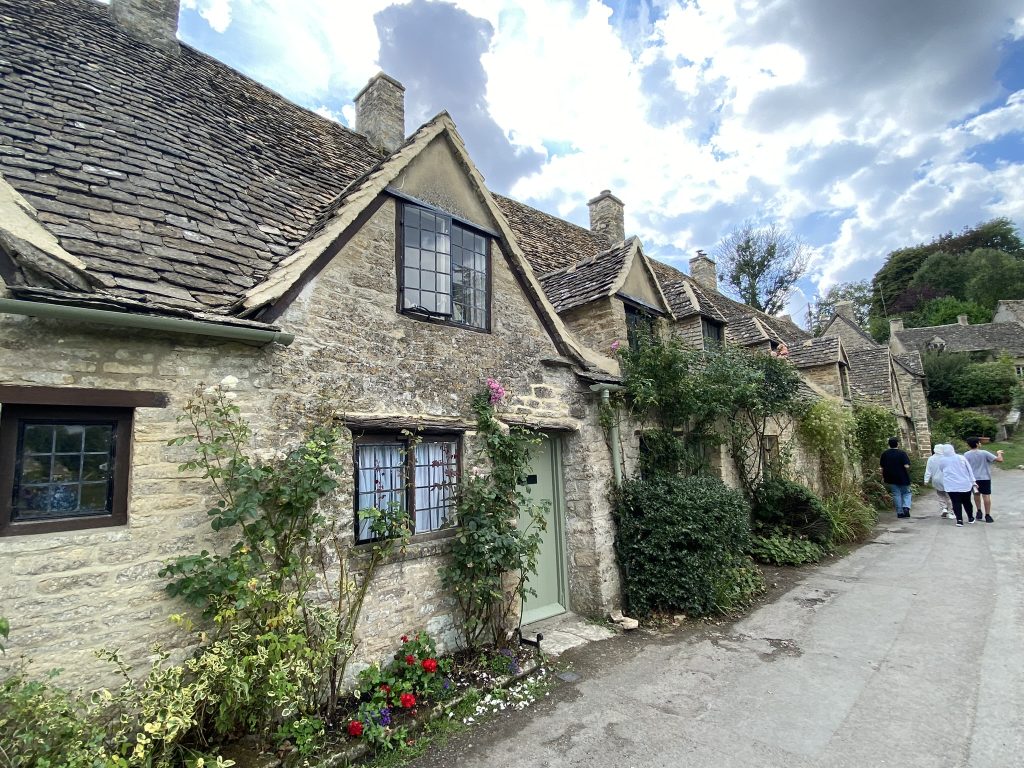
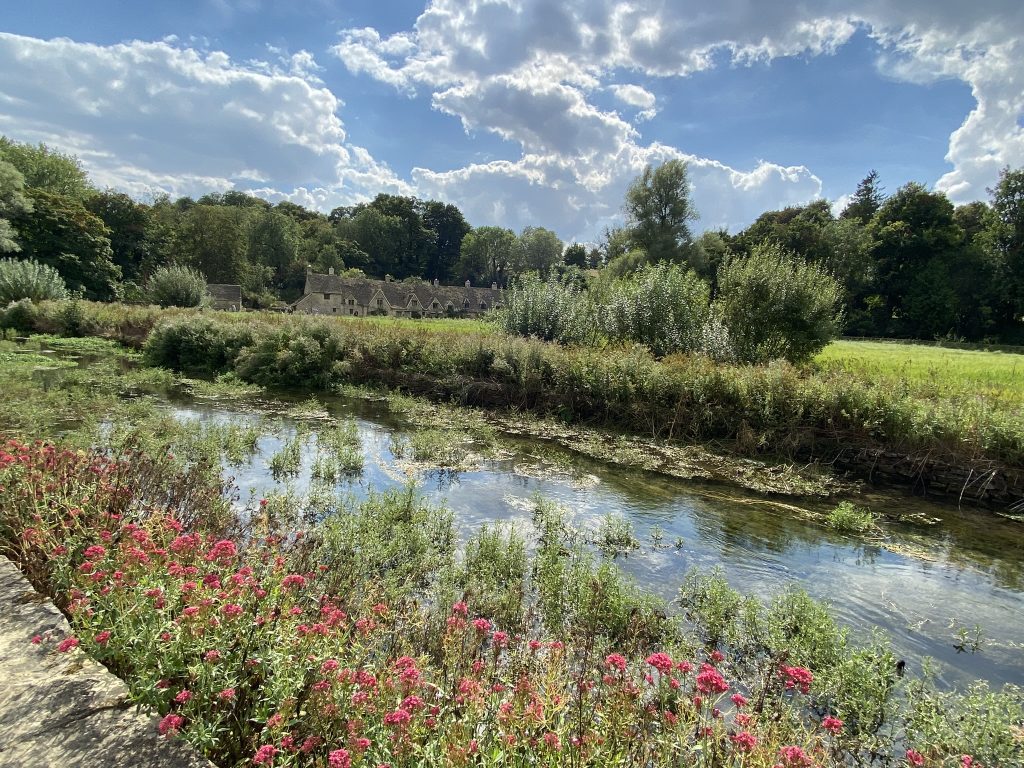
The cottages date from 1380 when they were built as a monastic wool store. In the 17th century, the building was converted into a row of weavers’ cottages. A fifteen-minute stroll takes me from the car park alongside the meandering River Coln to the cottages and then back on a lovely shady path next to a boggy water meadow known as Rack Isle.
Back in the car park, several ice cream shops beckon. I treat myself to a salted caramel ice cream cone.
Bourton-on-the-Water
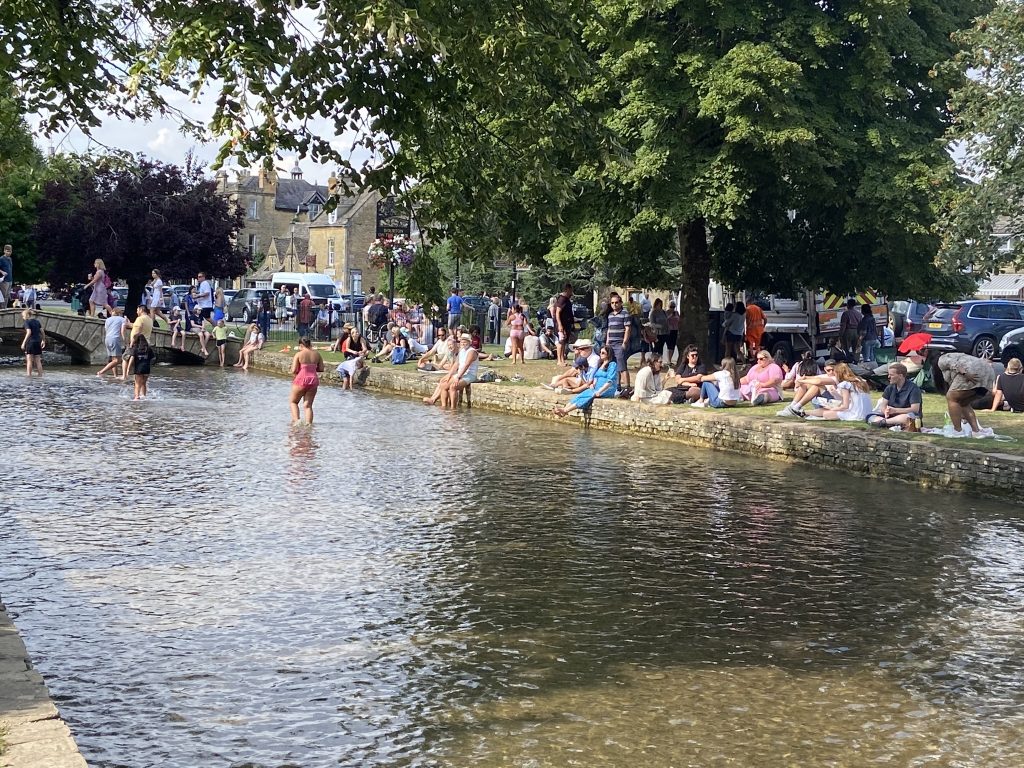
Bibury is positively empty compared to Bourton-on-the-Water (#7), our next and final stop on the Go Cotswolds tour. It’s yet another gorgeous little village with the added attraction of a river running through the center of the village.
People paddle in the shallow water, stroll across the stone bridges, snap photos, eat ice cream, and generally enjoy a day out in the country.
But is is crowded! Fortunately, Colin offers to take anyone interested on a secret walk that promises to get us well away from the crowds in seconds. Eight of us follow him for what proves to be the highlight of the Go Cotswolds tour (which is saying something).
A Secret Walk in Bourton-on-the-Water
We head down a stone-walled side passage to emerge onto an expansive and virtually empty water meadow. Birds chips, the wind whispers, the views are entrancing, the crowds a bad memory. Yep—it’s the full-on Cotswolds experience and we have it all to ourselves.
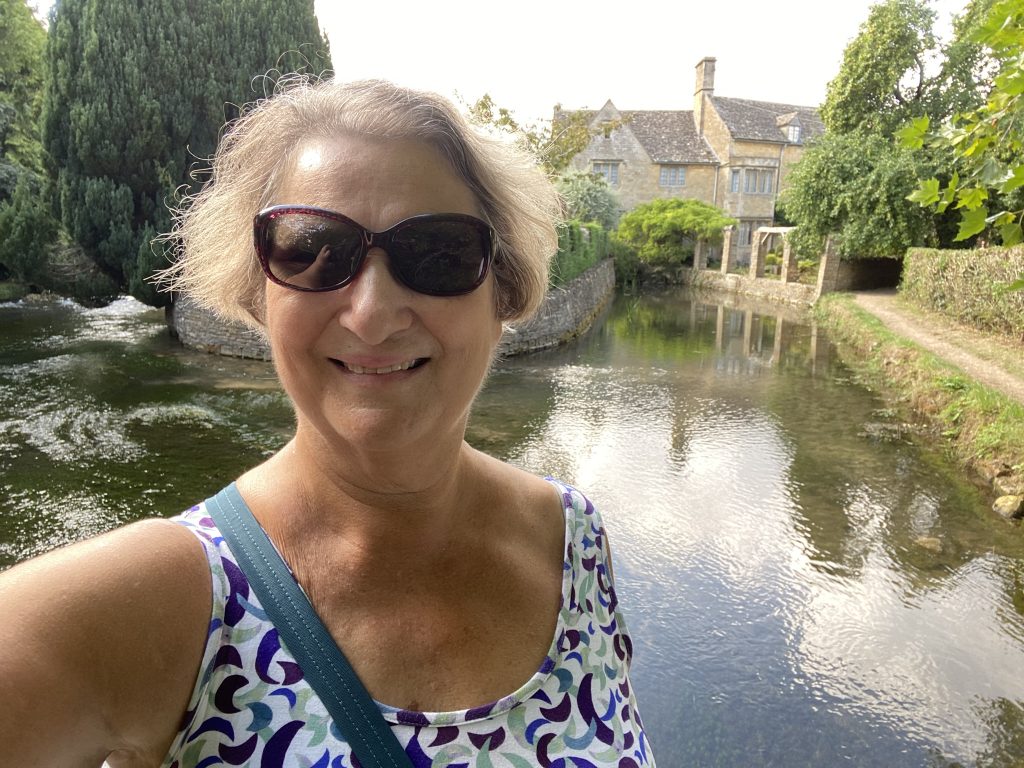
Colin leads us alongside a small stream to the house he promises us we’ll all want to buy. He’s right. It’s an old stone beauty set on a bend in the river with a gazebo in its back garden. The next time I have a few million pounds to spare, I’ll know where to spend it.
End of the Tour
An hour later, Colin drops me at Stratford-upon-Avon (#1) train station for my one-hour train journey to Birmingham. My day out in the Cotswolds has been glorious.
If you’re short on time and don’t want to drive, consider taking the Cotswolds in a Day tour with Go Cotswolds. It’s a winner.
Here’s a similar tour also conducted by Go Cotswolds:
Where to Stay in the Cotswolds
You can find some stunning places to stay in the Cotswolds! Check the map below for options.
Go Cotswolds Tour FAQs
Here are the questions I’ve been asked most often about my day out with Go Cotswolds tours:
Go Cotswolds is a small-group tour company offering guided day tours of the Cotswolds from Stratford-upon-Avon, Moreton-in-Marsh, and Oxford, focusing on local insights and sustainable travel.
Tours commonly include Chipping Campden, Dover’s Hill scenic viewpoints, historic market towns like Stow-on-the-Wold, lovely little Snowshill, the picture-perfect Bibury, and Bourton-on-the-Water.
A: A full-day tour usually runs about 6–8 hours, with free time to explore each stop at leisure.
Yes. Tours are ideal for travelers using train or public transport, as many departures connect from rail hubs, and transport is included during the tour.
Conclusion
Have you visited the Cotswolds? Share your experience in the Comments section below.
Here are more posts to give you a taste of England. Check Visiting England to see the full list of posts about England.
- London in Two and a Bit Days for the Artsy Traveler
- Courtauld Gallery in London: A Treasure Trove for the Artsy Traveler
- Birmingham: A Pleasant Surprise for the Artsy Traveler
Would you like to save this post?

Carol M. Cram writes novels inspired by the arts; runs Artsy Traveler, an arts-focused travel blog, and Art In Fiction, a curated database of 2,700+ novels inspired by the arts; and hosts The Art In Fiction Podcast. She has also authored 60+ textbooks on computer applications and taught at Capilano University for over two decades. Carol lives with her husband, artist Gregg Simpson, on beautiful Bowen Island near Vancouver, BC.

 See all my novels




Thank you so much for writing this lovely blog post about your Go Cotswolds experience, Carol! We’re absolutely thrilled that you had such a wonderful time on your tour with us, and we hope some of your readers will be inspired to follow in your footsteps. Over 1000 Tripadvisor reviews and Rick Steves can’t be wrong!