How to Spend a Perfect Artsy Traveler Day in Athens
Artsy Traveler contains affiliate links for products and services I personally use and can happily recommend. As an Amazon Associate, I earn from qualifying purchases. Please read the Disclosure for more information. If you make a purchase through these links, at no additional cost to you, Artsy Traveler earns a small commission. Thank you!
During a perfect Artsy Traveler day in Athens, you’ll balance cultural sightseeing with relaxed wandering and memorable meals. My itinerary focuses on experiencing the city at a human pace, with time for observation, reflection, and the occasional spontaneous detour.
In one well-planned day, you can enjoy a meaningful slice of what makes Athens distinctive. This Perfect Day itinerary includes suggestions for guided tours and museums, self-directed exploration, and unhurried moments in neighborhoods and public spaces.
Treat my Perfect Day itinerary as a framework rather than a checklist. Swap elements as you like, linger where curiosity pulls you, and leave room for serendipity. That’s when the best travel moments usually happen.
Note About the Acropolis: I don’t include the Acropolis as part of a Perfect Day in Athens, not because it’s not worth visiting (it certainly is!), but because it’s likely already on your agenda. Visit the Acropolis in the late afternoon the day before your Perfect Day in Athens. It’s the star attraction, but once you’ve seen it, you can relax and explore all the other wonderful sights and experiences that Athens has to offer.
For my take on how to enjoy the Acropolis, check out Should You Make the Climb to the Acropolis in Athens.
Here’s how I suggest spending your Perfect Day in Athens.
Table of Contents
What Is a Perfect Artsy Traveler Day?
A Perfect Day itinerary is my answer to a question I get asked often: if you only have one day in a city, what should you do? Not what the guidebooks say you should do, but what will actually make you glad you went?
Each Perfect Day itinerary is built around the things I love most when I travel: museums worth lingering in, neighborhoods worth getting lost in, meals worth slowing down for, and at least one experience that couldn’t happen anywhere else. I leave out the obligatory sights that everyone photographs (but sometimes don’t even enjoy), and I include the things that made me want to stay longer.
These itineraries are frameworks, not schedules. If you find a café you want to sit in for an extra hour, get comfy and order another coffee or glass of wine. If a museum pulls you in deeper than you expected, let it.
Your goal is to craft a day that feels genuinely yours rather than tick off bucket list sites just to say you did them.
If you love this approach, see the full list of cities at the end of this post.
Highlights of A Perfect Artsy Traveler Day in Athens
- Begin the day with a guided walking tour through historic neighborhoods below the Acropolis.
- Explore Anafiotika, the Cycladic-style enclave tucked into the slopes of the Acropolis.
- Wander the Ancient Agora and admire the Temple of Hephaestus on the combo ticket.
- Enjoy a relaxed lunch of cured meats and cheeses in lively Monastiraki.
- Spend the afternoon at the National Archaeological Museum, home to Greece’s most important antiquities.
- Watch the Changing of the Guard at Syntagma Square.
- Attend an evening folk dance performance at the Dora Stratou Theatre.
- End the day with dinner and late-night shopping in the atmospheric Plaka district.
Orientation to Athens
Athens is a very large city, and you may worry at first, as I was, that it will be too busy and crowded for comfort. You’ll likely be pleasantly surprised. The area of Athens that most interests visitors is compact and easy to navigate. You’ll find many pedestrianized streets, some leafy squares and gardens, and a general aura of calm.
While you may be expecting tooting horns and pollution, you’re more likely to experience a laid-back and cheerful atmosphere.
Here’s a map showing the locations mentioned in this post.
Slow down and enjoy this incredibly historical city. After all, Socrates walked here, and Plato too. Give them their due by walking slowly and breathing the same air they did (more or less).
Maybe you’ll be struck by some deep philosophical thoughts that change the course of Western civilization.
Morning in Athens
Start your perfect Artsy Traveler day with a walking tour. If you’re visiting during hot weather, the streets in the morning will be shadier and the air cooler. You can find plenty of walking tours in Athens; I recommend a GuruWalk.
Hidden Gems GuruWalk of Athens
On its website, GuruWalk claims that “the best free walking tour guides in the world are here”. The company provides access to an international community of pay-what-you-please walking tours. They call their guides “gurus” and describe them as “open, attentive, fun people with great knowledge of the city”.
I recommend the Hidden Gems tour of Athens with GuruWalk guide Anastasios, who enthusiastically shared his love of Greek history—especially ancient Greek history—on a two-hour tour that took us up the slopes of the Acropolis.
Meeting the Hidden Gems Tour
You’ll meet the tour in a small park in front of the Monument of Lycicrates (#1 on the map) near the Diogenis restaurant in the Plaka area (#3), not far from my recommended accommodation at Karma Suites (#2). When I took the tour, I joined about 25 people from all over the world: Belgium, Spain, Italy, England, Lithuania, Brazil, Denmark, the US, and Julia and me from Canada.
The tour involved quite a bit of walking up steep stairs and along very narrow lanes. One of the first stops was the tiny neighborhood of Anafiotika, located under the northeastern side of the Acropolis Hill in the middle of historic Plaka.
Anafiotika
Our guide, Anastasios, informed the group that Anafiotika (#4) was built by workers who came from the Cyclades Islands (Santorini, Mykonos, Naxos, et al) to build Plaka in the mid 9th century.
Here’s a view of one of the narrow, picturesque streets with the Acropolis looming above.
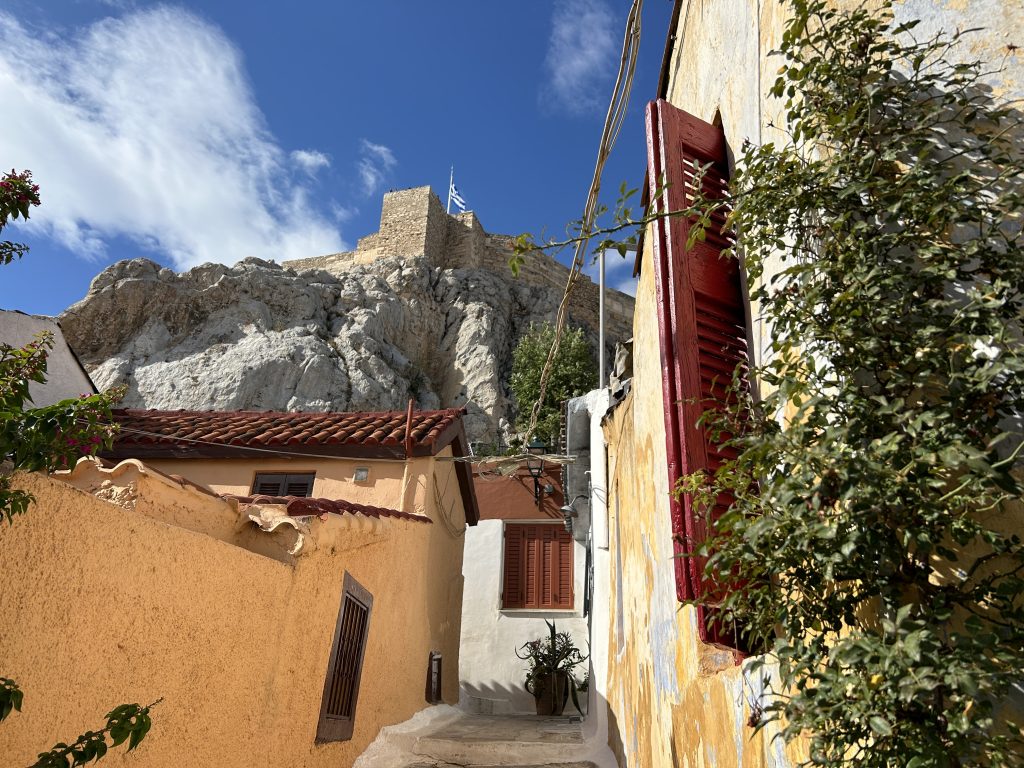
The workers built their homes in the island style—whitewashed, thick-walled houses clustered around tiny lanes, some barely wide enough to fit a lumbering donkey. How they managed to get furniture into their houses in anyone’s guess, although Anastasios mentioned that most of the homes have been abandoned because the area was made part of the archaeological site of the Acropolis. A few families still live here, but unofficially.
Progressing Around the Acropolis
Anastasios provided an excellent Hidden Gems tour of the area around the Acropolis. He stopped frequently at places with walls to perch on so participants could listen in comfort as he talked about history and philosophy, and shared tips about how to get the best out of our Athens visit.
You’ll find his historical stories, told with enthusiasm and pride, fascinating. He really knows his history and is obviously happy to share what he knows. You’ll learn just how much we owe to the ancient Greeks—theater, philosophy, architecture, democracy, mathematics, medicine—the list goes on and on.
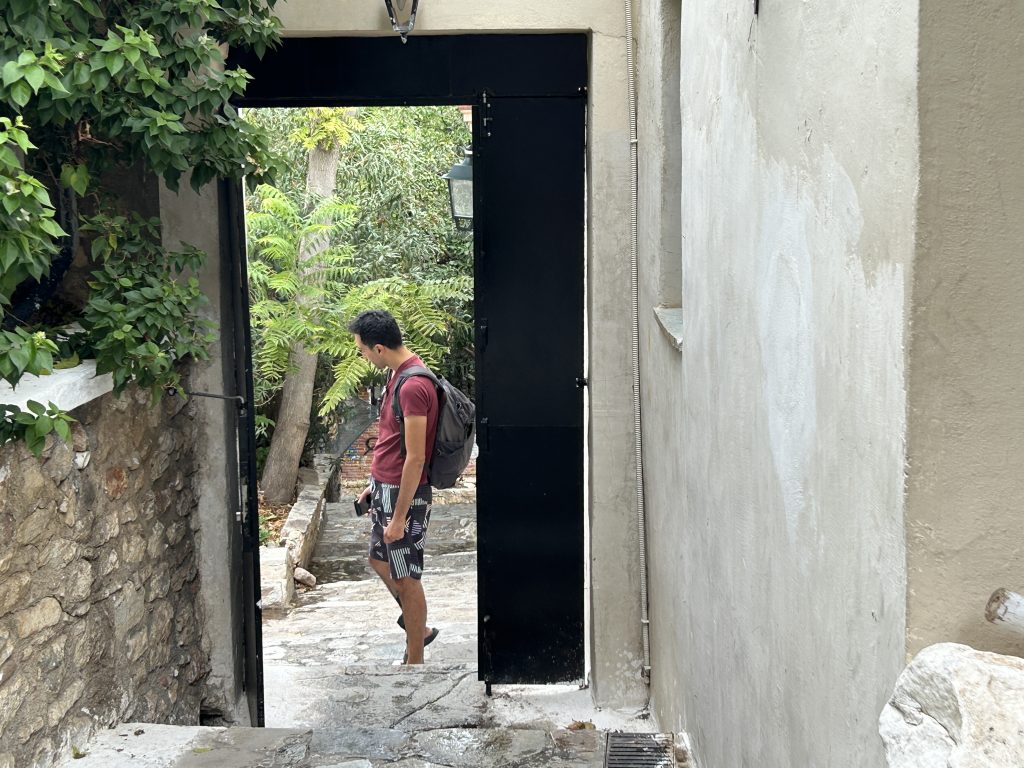
At the end of the tour, Anastasios directed participants to his GuruWalk page where he’d listed his recommendations for Athens, including the best places to view the sunset as well as good restaurants in the area.
If you’re visiting Athens, sign up for the Hidden Gems tour. You’ll learn a lot, see some places you’d never find on your own, and get a good workout. Despite a lot of steep climbing, the pace is pleasingly sedate with frequent stops to sit and listen.
Mid-Morning in Athens
After the walking tour, wander over to the Agora (#5) and use your combo ticket to explore one or two of the six archaeological sites included. I suggest purchasing the combo ticket when you visit the Acropolis so that you can tour up to six more archaeological sites.
Touring the Agora
The Agora is a large area littered with ruined bits of ancient Greece. It’s peaceful, uncrowded, and verdant, with plenty of scope for the imagination. It’s not much of a stretch to visualize ancient Greeks going about their business—buying, selling, eating, drinking, arguing, and loving, just like modern Greeks still do in the streets adjacent to the Agora.
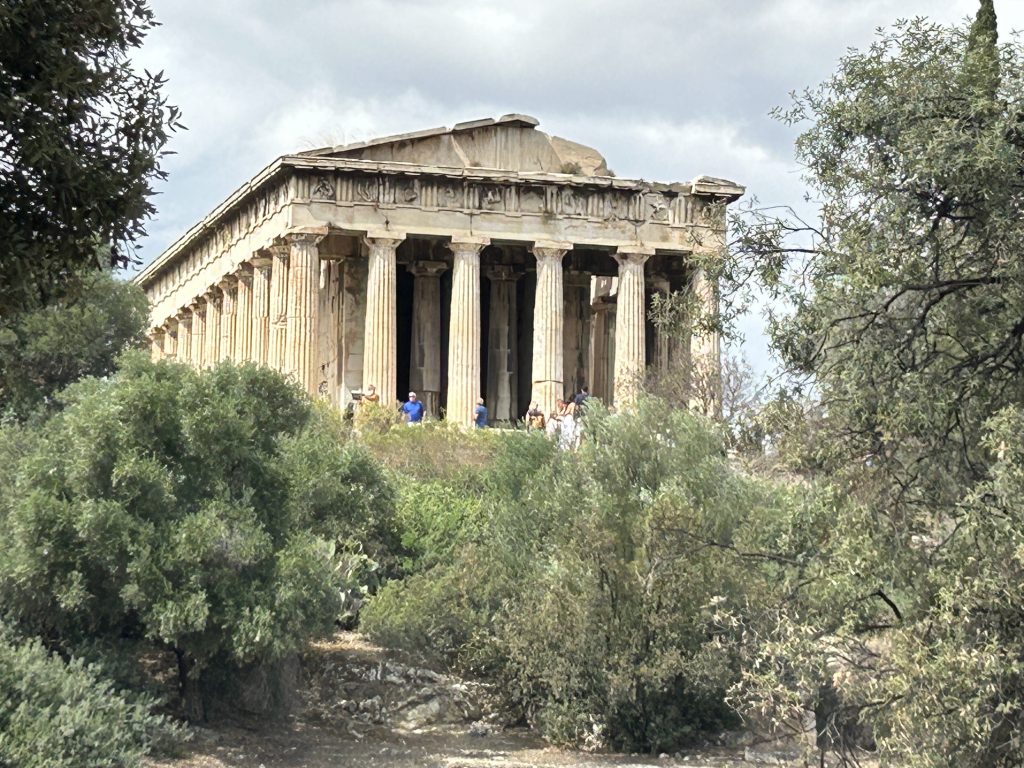
A highlight is the Temple of Hephaestus (#6), the god of blacksmiths. This very impressive temple takes pride of place on a slight rise and is highly photogenic, far more so than its big brother atop the Acropolis. The temple is scaffolding-free and in surprisingly good nick.
Lunch in Athens: The Monastiraki District
The chef who ran the cooking class that Julia and I took in Nafplio (see Explore Greek Cuisine in a Savor Nafplio Cooking Class) recommended we visit a famous deli in the Monastiraki district.
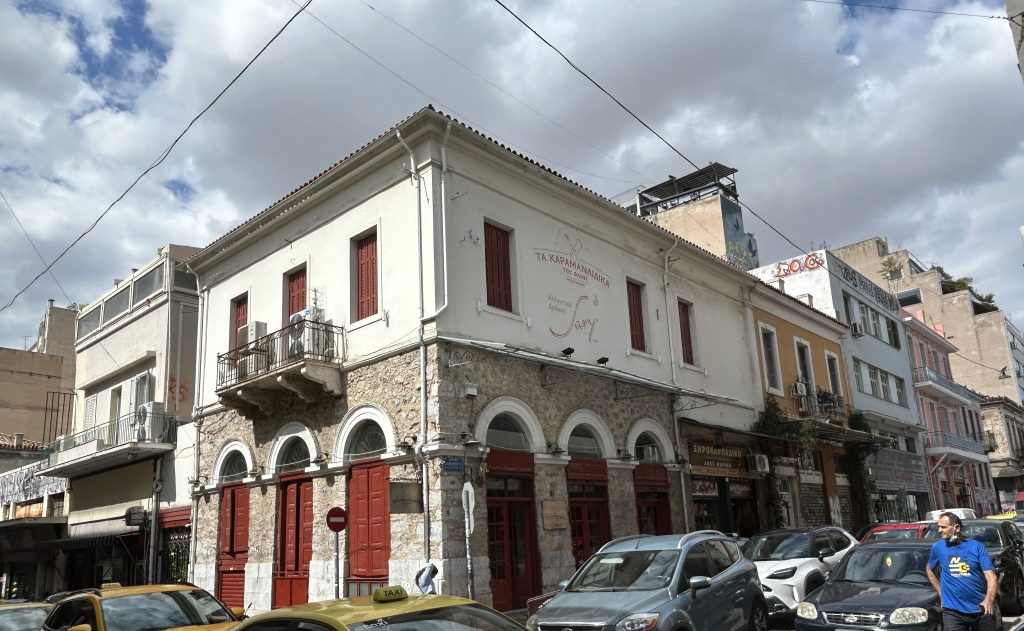
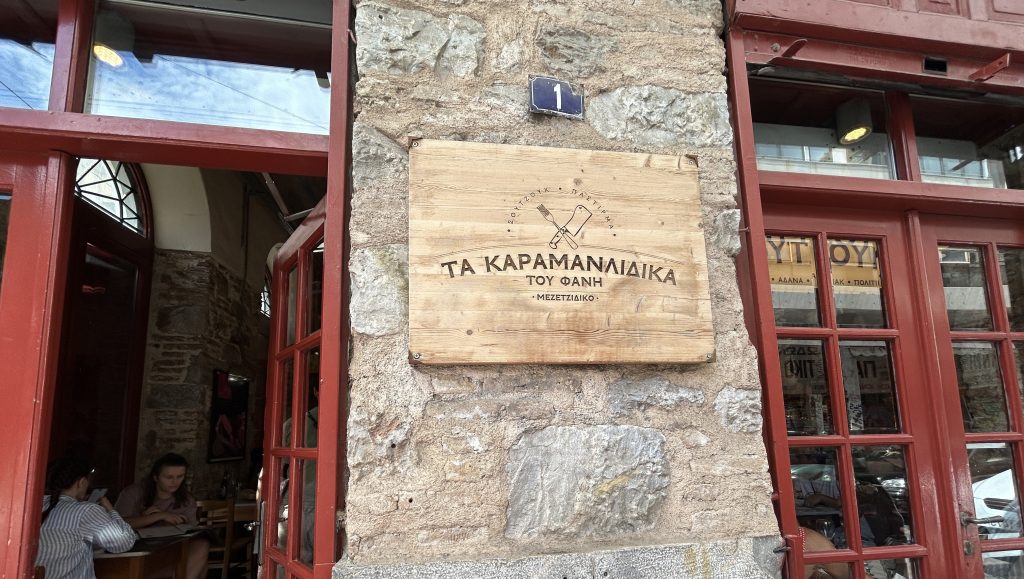
I heartily recommend this place for lunch. Called Ta Karamanlidika tou Fani (#7), it’s crowded, lively, and full of both tourists and locals.
And the food! We ordered and quickly devoured a meat and cheese board.
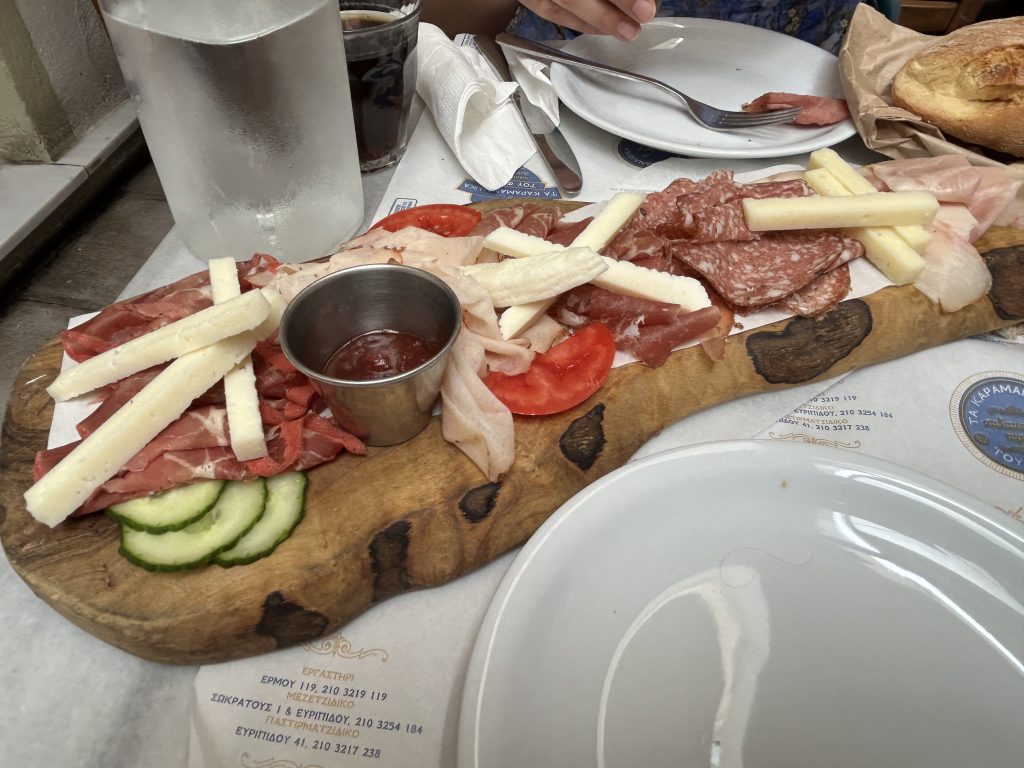
Although we arrived without a reservation, we were quickly seated in the back courtyard. Service was fast and the food delicious.
Shops in Monastiraki
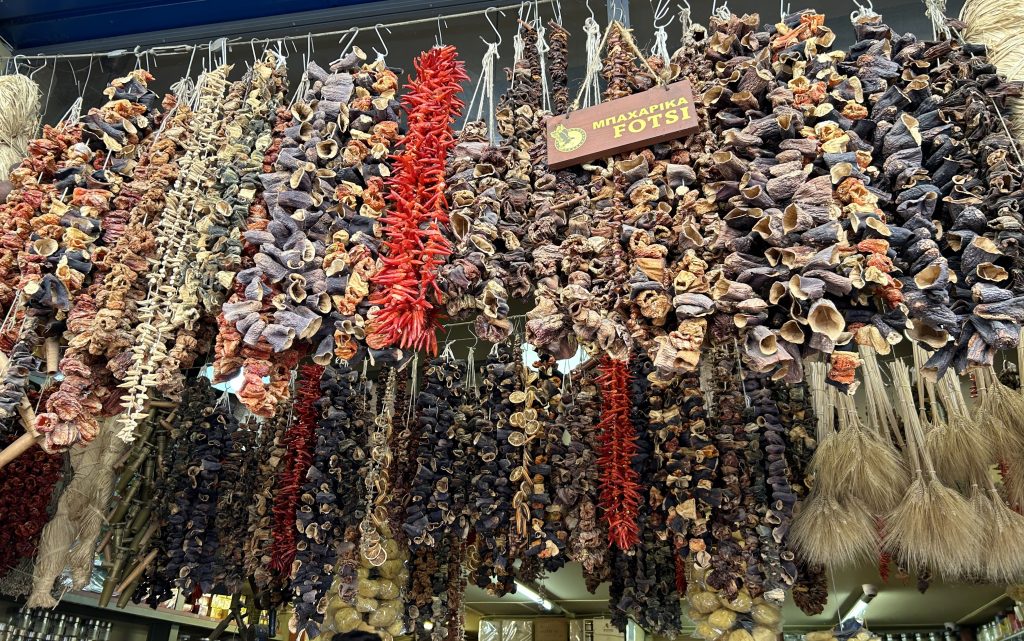
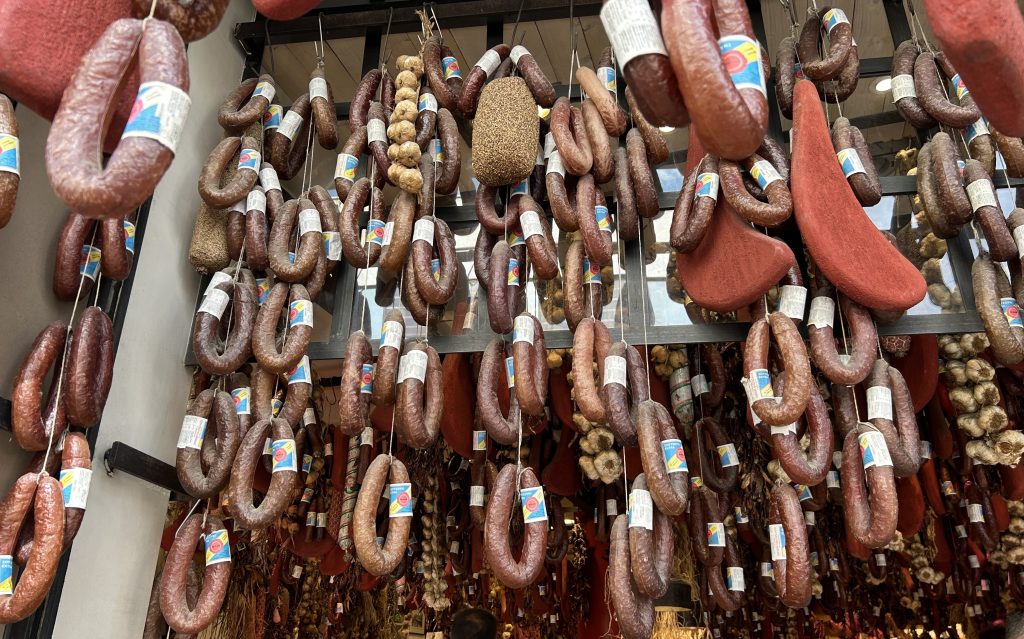
This lively and very Greek-feeling area is full of interesting food shops. Take some time to wander the narrow streets and check out the many displays of meats, herbs, and other foods hanging from open doorways.
Afternoon in Athens
After lunch, spend a few hours exploring either the National Archaeological Museum or the Acropolis Museum. You should visit both, but not on the same day. I love museums, but even I try to pace myself! A good option is to visit the Acropolis Museum the day before when you also visit the Acropolis.
National Archaeological Museum
Allow yourself at least two to three hours to tour the marvelous National Archaeological Museum of Athens (#8).
While not as state-of-the-art and modern as the Acropolis Museum (#11), the National Archaeological Museum is nevertheless an Athens must-see. It’s Greece’s largest archaeological museum and one of the world’s most important museums devoted to ancient Greek art.
Centuries of ancient Greek history, from the earliest inhabitants to the Romans, are displayed in several large rooms. Information about each exhibit is provided in both English and Greek so it’s easy to tour the museum and figure out what you’re looking at.
Here are some of the highlights.
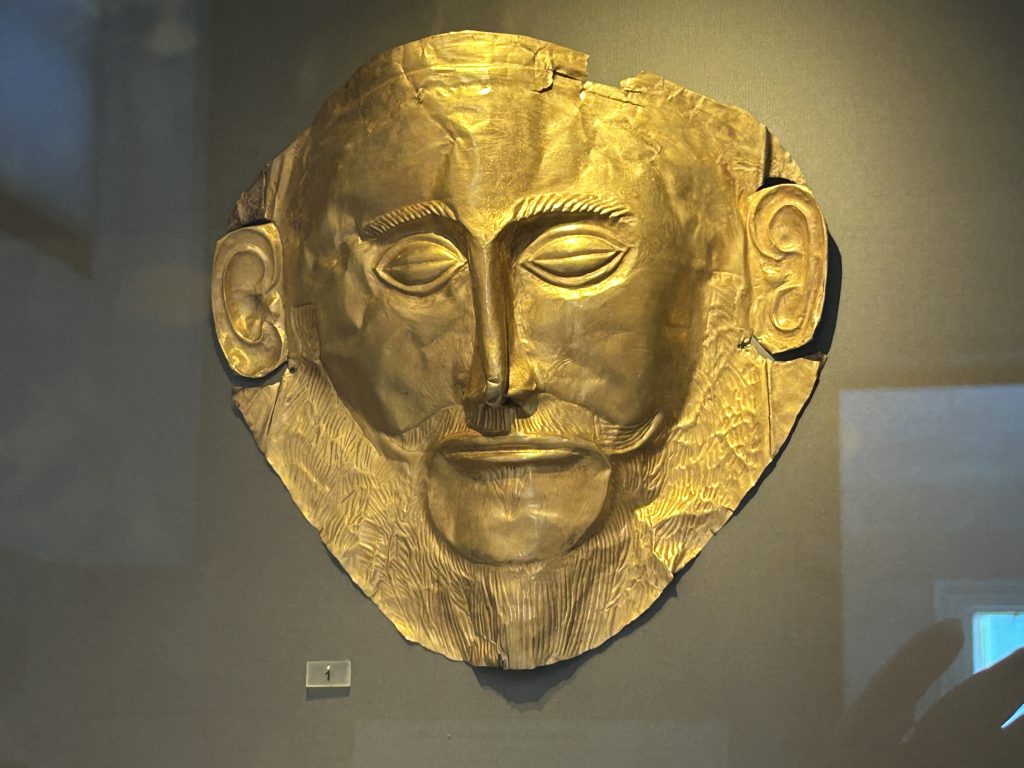
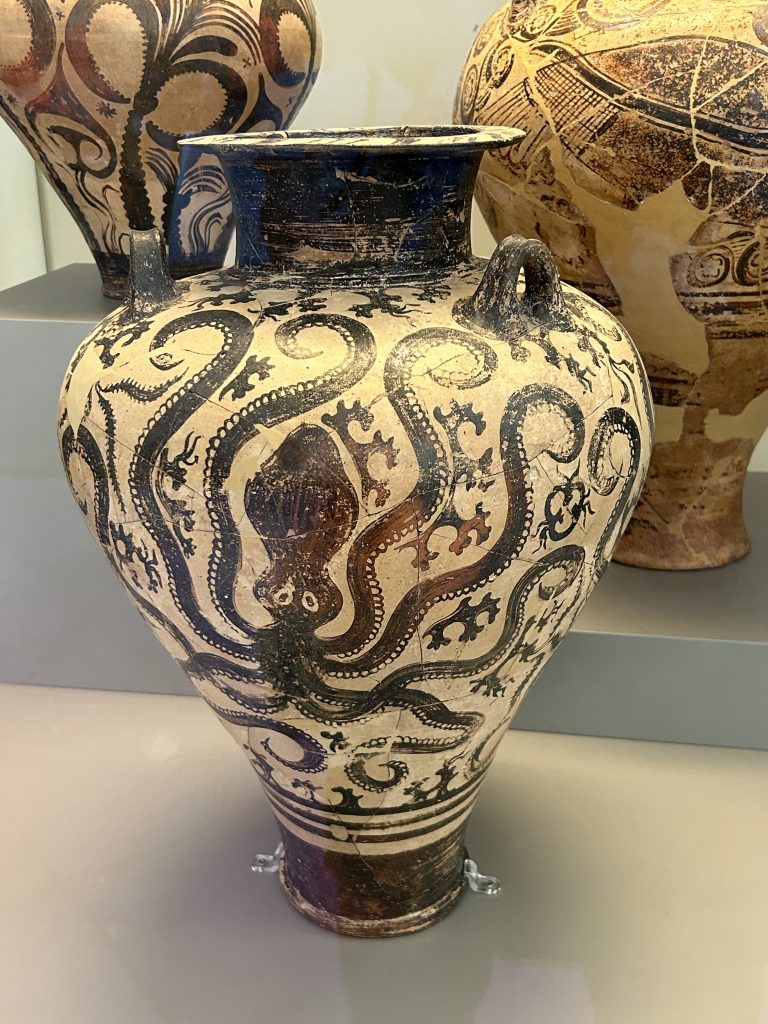
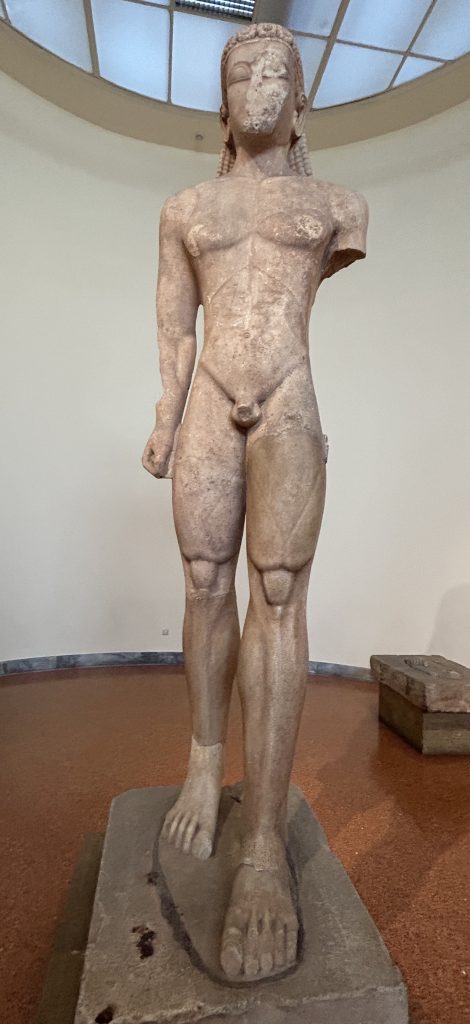
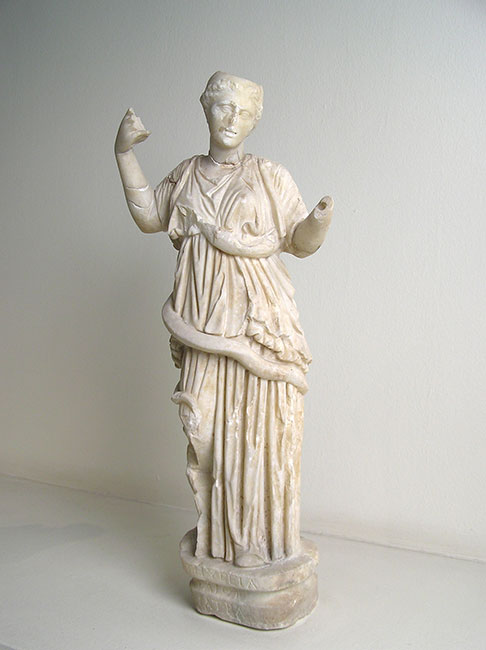
For a detailed overview of the National Archaeological Museum, read my post: What To See at The National Archaeological Museum in Athens.
Acropolis Museum
Visit the Acropolis Museum after you visit the Acropolis itself. If you’re in Athens on a Friday, start your visit to the Acropolis around 5 pm, and then descend and visit the museum, which is open until 10 pm.
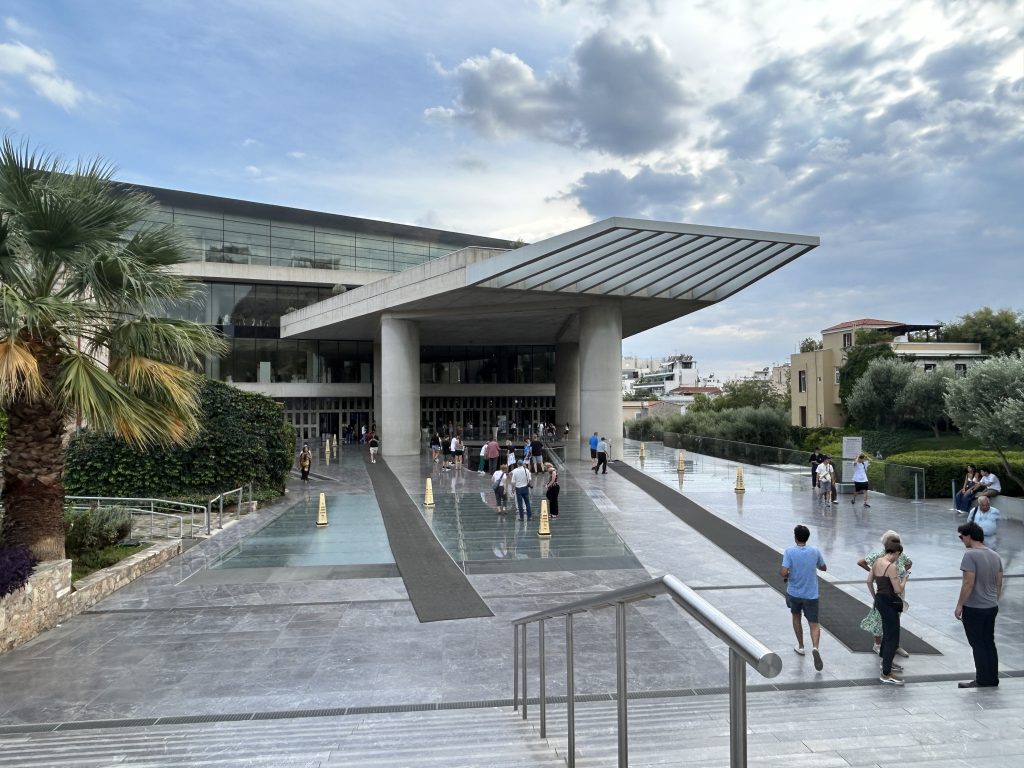
For more about the Acropolis Museum, check out my post Should You Make the Climb to the Acropolis of Athens?
Late Afternoon in Athens
After visiting the marvelous National Archaeological Museum in Athens, catch a taxi for about five euros to Syntagma (#9), otherwise known as Constitution Square. This area is the heart of modern Athens and the location of the Hellenic Parliament. Your mission is to see the famed Changing of the Guard.
Syntagma and the Changing of the Guard
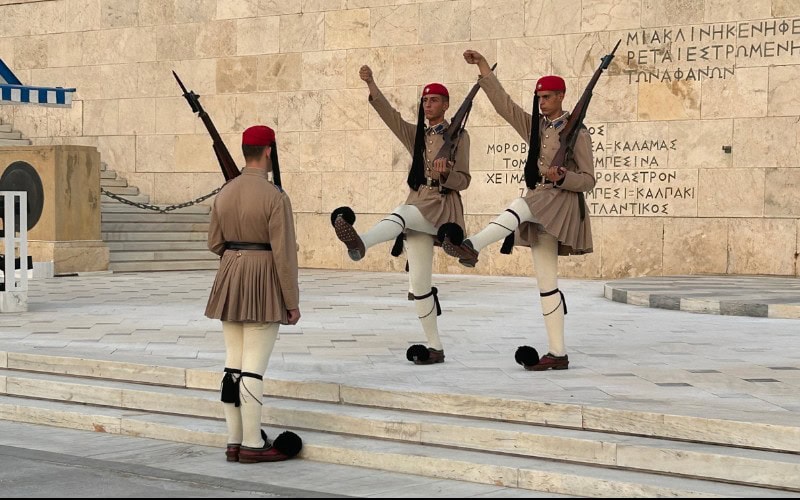
Every hour, the guards who stand in perfect stillness in front of the Parliament participate in a slow, graceful, and achingly beautiful Changing of the Guard ceremony. On Sundays at 11:00 am, a more elaborate ceremony takes place.
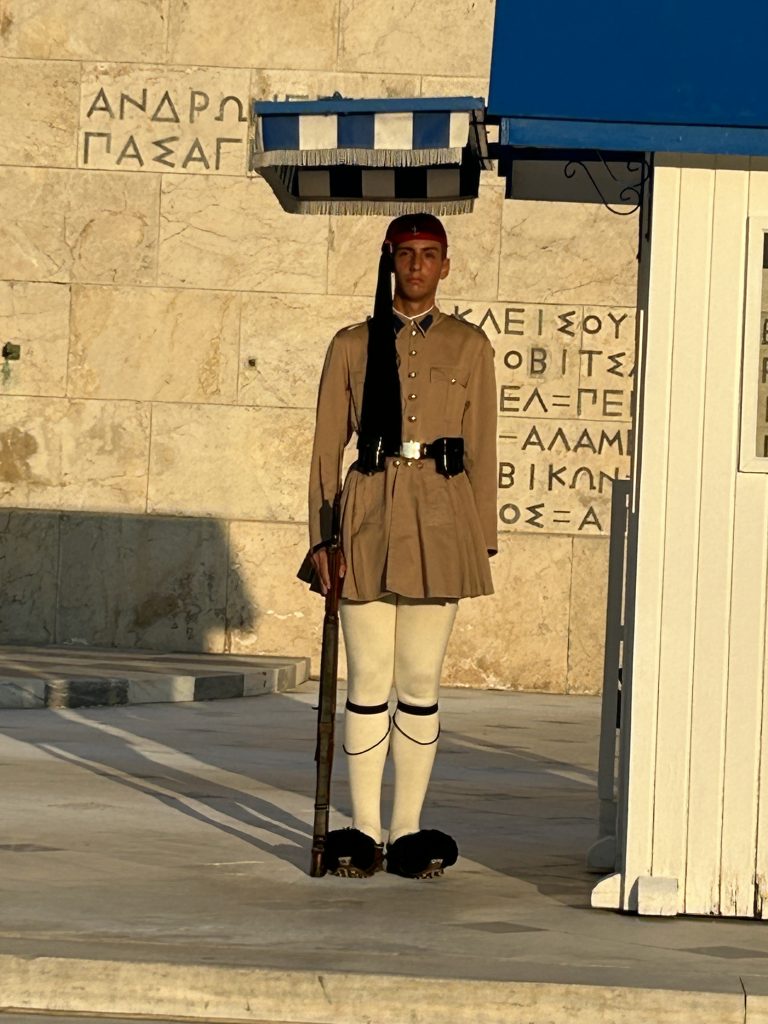
The sun was blazing across the façade of the parliament building when we arrived to find two young soldiers dressed in traditional uniform. Their composure and stamina was remarkable. I was relieved to see that they stood under small awnings which presumably gave them some protection from the sun.
Who Are The Guards?
The guards are from the elite Evzones unit of the Hellenic Army, and their duty is to guard the Monument of the Unknown Soldier in front of the Hellenic Parliament and the Presidential Mansion. The monument is dedicated to Greek soldiers who were killed in war. The Evzones are symbols of bravery and courage for the Greek people.
Uniform of the Guards
The traditional uniform worn by the guards fascinated me. The day we visited, they wore a light tan jacket, but I’ve seen pictures of them wearing navy blue jackets.
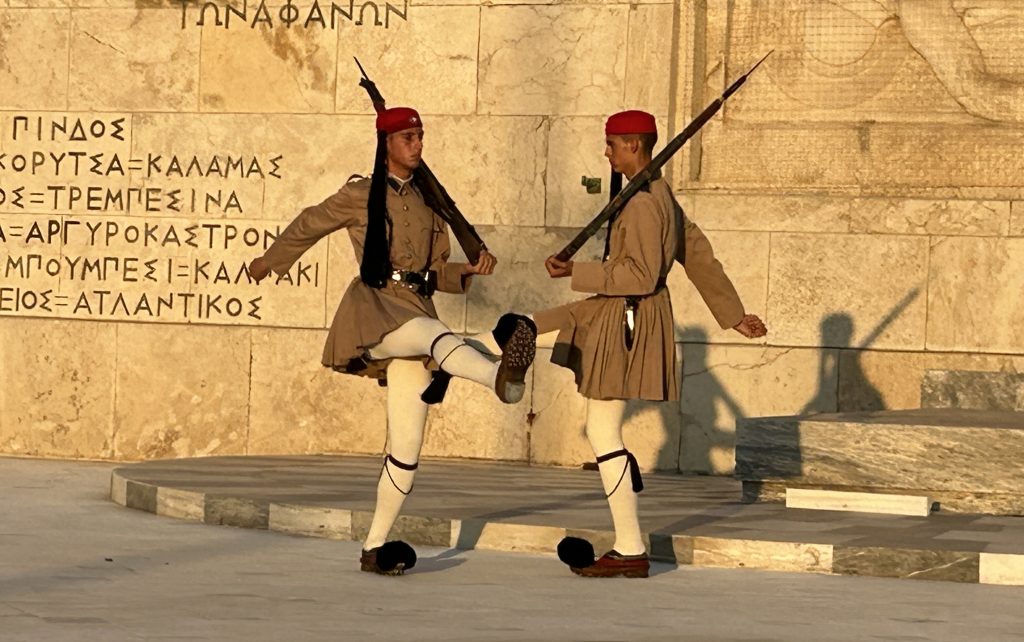
The uniform consists of the farion, the Evzone’s fez, that is made from red baize and features a black silk tuft and the Greek coat of arms; a white shirt with loose sleeves; a handmade waistcoat adorned with several delicate shapes; the fustanella, which is the Greek kilt consisting of 400 folds, each representing one year of the 400-year Ottoman occupation; two socks on each leg; a leather belt that holds the socks; the tsarouchia, which are the traditional red leather shoes (each weighing three kilos!) with a black tuft or what we’d call a pom pom in front; and various other accessories.
Each guard also carries a shotgun.
Gathering of the Crowds
The crowd clustered in a semi-circle about four meters from the two guards. Every so often, an intrepid tourist crossed an invisible line and tried to get close to one of the guards for a photo op. Another guard stationed to the side and wearing army fatigues rather than the traditional uniform yelled at the hapless tourist to get back. He did this several times during the fifty minutes we watched the guards.
I’ve seen pictures of people standing next to the guards, but evidently that practice has been discontinued, which is just as well. Can you imagine how difficult it must be for the guards to stand so still, their faces expressionless, every muscle completely immobile? They don’t need the added aggravation of coping with wayward tourists looking for selfies.
Half-Time Repositioning of the Guard
We just missed the Changing of the Guard at the top of the hour and decided to wait. Thirty minutes later, the two guards changed places in a slow march with high kicks that bore witness to incredible core strength and discipline.
After they changed places, the fatigue-wearing guard wiped the sweat from each guard’s brow. It was a touching and powerful testament to both the physical toll the movements must take on the men, but also the incredible respect with which the guards are treated.
Changing of the Guard
Just before the top of the hour, the crowd parted and a contingent of fresh guards marched in. The light had faded and we witnessed the solemn ceremony in awe. At times, I felt moved to tears as I watched the men execute their incredibly slow movements in perfect synchronicity.
Evening in Athens
If you’re visiting Athens during the summer, check out the folk-dancing show at the Dora Stratou Theatre (#10). This 860-seat garden theater is located on Philopappou Hill, opposite the Acropolis.
Dance Performance at the Dora Stratou Theatre
Getting to Philopappou Hill is half the fun! From the Plaka district, you’ll enter the dimly lit (and eerily empty when we visited) pathways that wind through the park surrounding the hill to the theatre. Just when you might start feeling a bit vulnerable with no theatre in sight, you’ll arrive at the Dora Stratou. On a September evening a few days short of the end of the season, the large outdoor theatre was surprisingly empty.
What a shame! The show is well worth seeing. But be warned; if you visit in spring or in mid-September, like we did, take along a sweater. Since the daytime temperature had hovered around 28 degrees, I’d mistakenly believed that an outdoor concert in the evening would be balmy. Wrong! My light wrap was no match for the chill that began descending halfway through the performance.
A company of 75 dancers, musicians and folk singers clad in costumes from the theatre’s extensive collection performed for over an hour. The dances come from all over Greece, and are characterized by slow, steady movement interspersed with some fancy moves, mostly by the men.
Strolling the Plaka
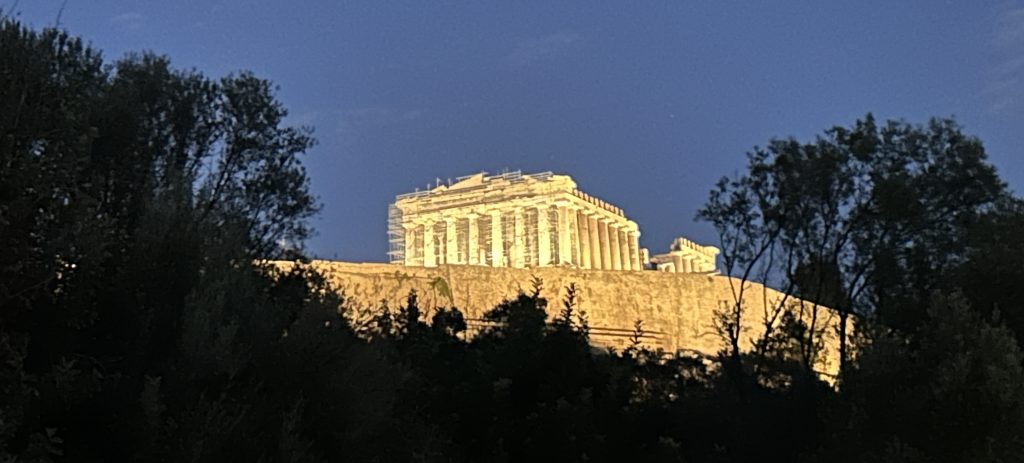
After the performance, stroll back to the Plaka district to enjoy a late dinner. Along the way, you’ll admire floodlit views of the Acropolis. This inspiring vista does not get old.
Every time I glanced up, I wanted to pinch myself.
I’m in Athens! This is so cool.
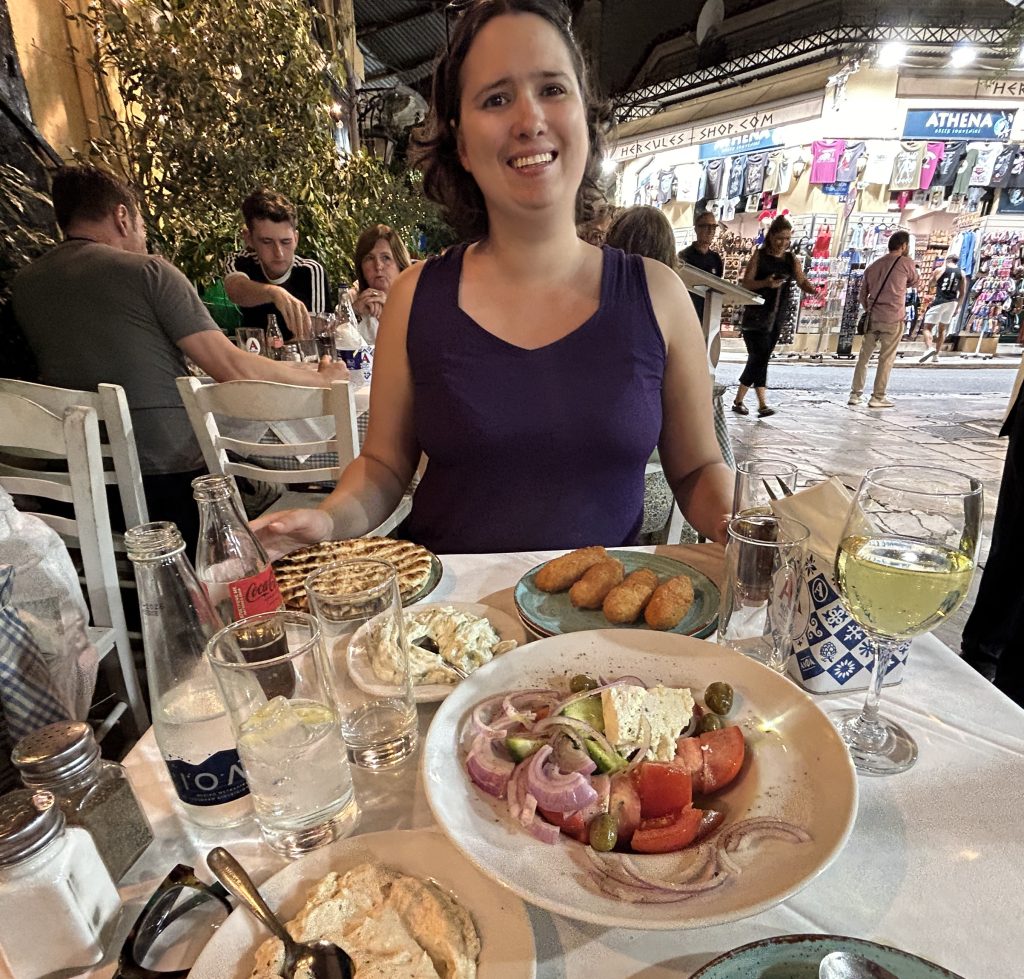
You’ll find plenty of places to eat in the Plaka district which admittedly is a little touristy but offers a lively atmosphere, hearty food, and friendly service.
Relaxing at an outside table, dipping pita into fresh tzatziki and chatting about a full Artsy Traveler day in Athens is my kind of travel!
Shopping!
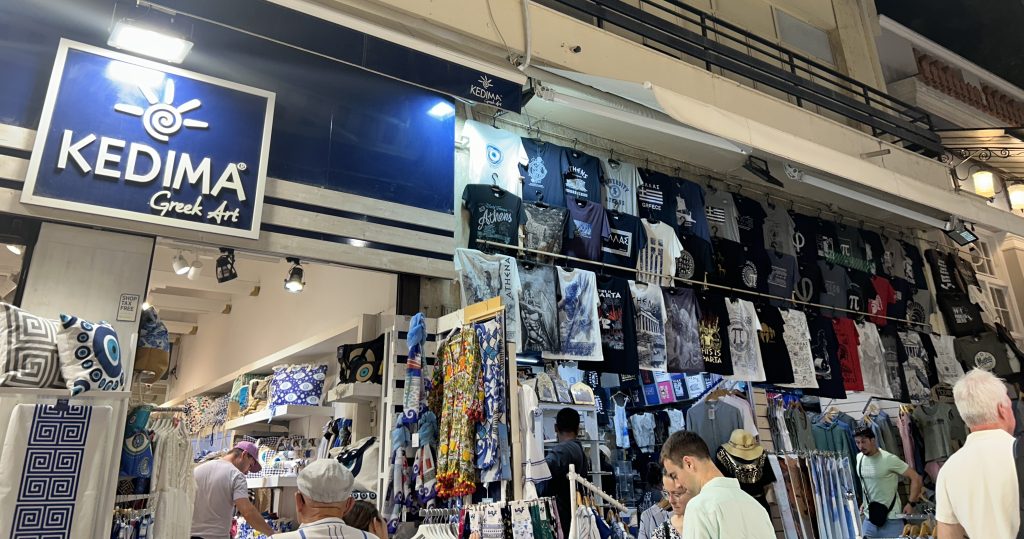
And after dinner? Well, the shops in the Plaka district stay open late, so why not end your day by shopping for souvenirs?
While many of the shops sell pretty schlocky stuff, such Kiss Me, I’m Greek T-shirts, persevere and you’ll find some gems. I found a shop selling lovely textiles and stocked up on placemats, a pillow cover, and tea towels, while Julia snagged a set of ceramic olive oil dispensers.
Where to Stay in Athens
On our recent trip to Athens, we stayed at two places: a holiday apartment for two nights and a hotel for one night. I highly recommend both, which are located in neighborhoods convenient for sightseeing in Athens.
Karma Apartments
Steps from the lively Plaka district but on a quiet side street, Karma Apartments is a real find in Athens. The one-bedroom apartment we were assigned was on the top floor of a building containing other holiday lets, and even included a large terrace with a peekaboo view of the Acropolis.
Hotel Lozenge
On our last night in Greece, we stayed at the Hotel Lozenge in the upscale Kolonaki neighborhood. This is a great choice for a business-style hotel with comfortable rooms, an adjoining restaurant, and very helpful staff.
Here are some more options for accommodations in Athens:
Tours of Athens
Here are some tours of Athens from GetYourGuide.
All Perfect Day Itineraries
Browse every city featured in the Perfect Day series below.

How to Spend a Perfect Artsy Traveler Day in Venice

How to Spend a Perfect Artsy Traveler Day in Vienna

How to Spend a Perfect Artsy Traveler Day in Copenhagen

How to Spend a Perfect Artsy Traveler Day in Florence
How to Spend a Perfect Artsy Traveler Day in Athens
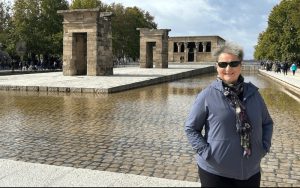
How to Spend a Perfect Artsy Traveler Day in Madrid