
How to Plan a Paris Art Museum Trip Without Wasting a Single Day
I'm Carol Cram, novelist and arts travel writer, and founder of Art In Fiction, a curated database of 2,700+ novels inspired by the arts. Artsy Traveler contains affiliate links for products and services I personally use and recommend. As an Amazon Associate, I earn from qualifying purchases. Please read the Disclosure for more information.
Before every trip to Paris, whether it’s for a day, a week or longer, I decide which museums I want to visit. I’ve learned over the years that the more carefully I plan, the more I see and the more I enjoy myself.
Touring the wonderful art museums of Paris should be a pleasure, not an ordeal—even the Louvre.
The truth is that most people spend too much time in the wrong places, arrive at the wrong hour, and leave without seeing what they actually came to see.
This post lays out a five-step process for planning how to see and enjoy as much art as possible in Paris without feeling overwhelmed, and still leave time for relaxing in a café to watch the world go by (one of my favorite things to do in Paris).
Table of Contents
- The Planning Challenge
- Step 1: Decide What Kind of Art You Want to See
- Step 2: Build Your Plan Around One Anchor Museum Per Day
- Step 3: Book Timed Entry in Advance for the Big Three
- Step 4: Allow Time for the Small Museums
- Step 5: Determine the Paris Museum Pass Calculation
- The Honest Answer About DIY Planning vs. a Curated Guide
- Keep Exploring Paris with Artsy Traveler
The Planning Challenge
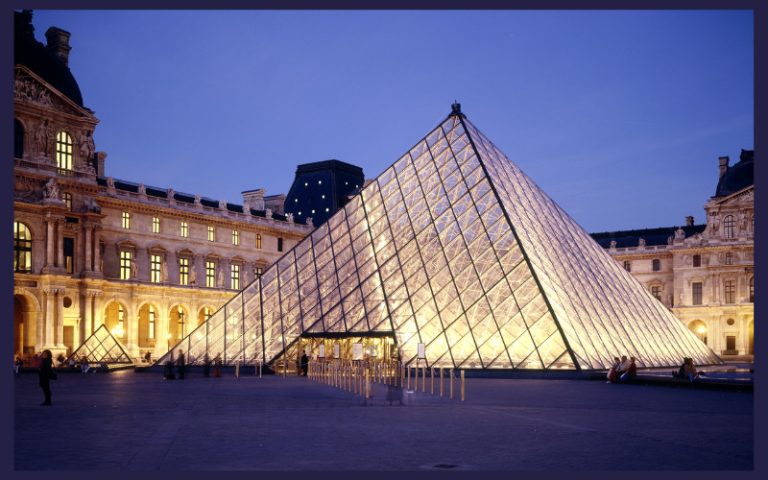
Did you know that Paris has between 130 and 150 museums? That’s a lot of museums, and many have very extensive collections. The Louvre alone displays 35,000 works. If you spent thirty seconds in front of each one, you’d be there for three months.
The planning challenge is not finding things to see: it’s deciding before you arrive what not to see, rather than standing in a long queue under the blazing sun wondering if you really want to spend the rest of your day in the Louvre (presuming you finally get in).
Don’t be that person who spends their entire Paris museum budget on the Big Three and leaves without discovering the Musée de l’Orangerie, the Musée Jacques-Chirac Quai Branly, or the Musée Rodin, all of which are extraordinary and generally uncrowded.
None of them requires the advance planning the Louvre and the Musée d’Orsay do.
Ready for the five steps? Let’s dig in.
Step 1: Decide What Kind of Art You Want to See
This sounds obvious, but it isn’t really, because often people go to see art because it’s famous, not because it’s personally meaningful.
Ask yourself: what do I love looking at? Impressionism? Medieval altarpieces? Sculpture? Decorative arts?
Paris has exceptional collections in almost every category. Knowing your answer quickly cuts the 150-museum problem down to a manageable shortlist.
Step 2: Build Your Plan Around One Anchor Museum Per Day
The most common planning mistake is stacking museums. Two major museums in a day sounds efficient, but in practice, it’s a recipe for sore feet and regret.
Once you arrive at the second one tired, rushed, and unable to absorb anything properly, you won’t enjoy yourself.
That said, the Big Three—the Musée d’Orsay, the Louvre and the Pompidou (when it reopens)— deserve and reward your full attention. Give each one dedicated time on separate days.
Then, add a smaller gallery or neighborhood walk nearby. If you’re visiting the Musée d’Orsay, add the Musée Rodin. If you’re spending the morning at the Louvre, pop into the nearby Orangerie after lunch. If it’s the Pompidou day (see Note: below), stroll over to the Musée Picasso.
Paris rewards slow looking far more than volume.
Step 3: Book Timed Entry in Advance for the Big Three
The Louvre, the Musee d’Orsay, and the Centre Pompidou all require advance booking for timed entry, especially in high season. This is non-negotiable if you want to avoid spending two hours waiting outside.
Note: While the Centre Pompidou is being renovated (it’s set to reopen in 2030), prioritize a visit to the Fondation Louis Vuitton where you’re likely to find a fabulous exhibition of work by a modern master (think David Hockney, Gerhard Richter, Henri Matisse, Joan Mitchell, et al.).
Book tickets for the Louvre, the d’Orsay, and the Fondation Louis Vuitton as soon as you’ve confirmed your travel dates.
The Louvre in particular sells out weeks ahead for the most popular time slots. If you select the first morning entry time, for a while at least, you’ll have the rooms to yourself.
Step 4: Allow Time for the Small Museums
My favorite museums in Paris are the smaller ones where I can enjoy the collections without crowds and at my own pace, where I can take a picture of a work without having to wait in line, and where the entry price keeps my travel budget intact.
Museums such as the Musée Marmottan Monet, the Musée Zadkine, and the Musée Gustave Moreau (an astonishing place) require no advance booking, rarely have queues, and often contain works that would be the centerpiece of a lesser city’s national collection.
I have written in detail about the best small Paris museums elsewhere on this site. Bookmark that post before finalizing your itinerary.
Step 5: Determine the Paris Museum Pass Calculation
The Paris Museum Pass covers entry to 50+ museums and monuments including the Louvre, the Musée d’Orsay, Sainte-Chapelle, Versailles, and many others. Whether it saves you money depends entirely on your itinerary.
The 2-day pass costs approximately 52 euros (prices change, so verify before you buy). If you’re visiting the Louvre (32 euros for non-EU citizens), the Musée d’Orsay (16 euros), and Versailles (35 euros to access all areas) in two days, the pass pays for itself.
If you’re planning to spend most of your time in small museums that are not covered, do the math before buying a pass. The Musée Rodin, for example, costs 15 euros, the Musée du quai Branly – Jacques Chirac and Marmottan each cost 14 euros.
As you can gather, museums in Paris are not particularly cheap, but then Paris is hardly a bargain destination!
If you want the full case for whether a curated guide beats DIY planning, I lay it all out here: Do You Need a Paris Art Museum Guide?
The Honest Answer About DIY Planning vs. a Curated Guide
You can absolutely plan all of this yourself. The information is out there, scattered across dozens of blogs, museum websites, and guidebooks of varying reliability.
I’ve done that work for you. My Paris For Art Lovers guide covers 13 museums, concert recommendations, bookstores, vernissages, and a full Perfect Artsy Traveler Day itinerary, all for $9.99 as an instant download.
Keep Exploring Paris with Artsy Traveler
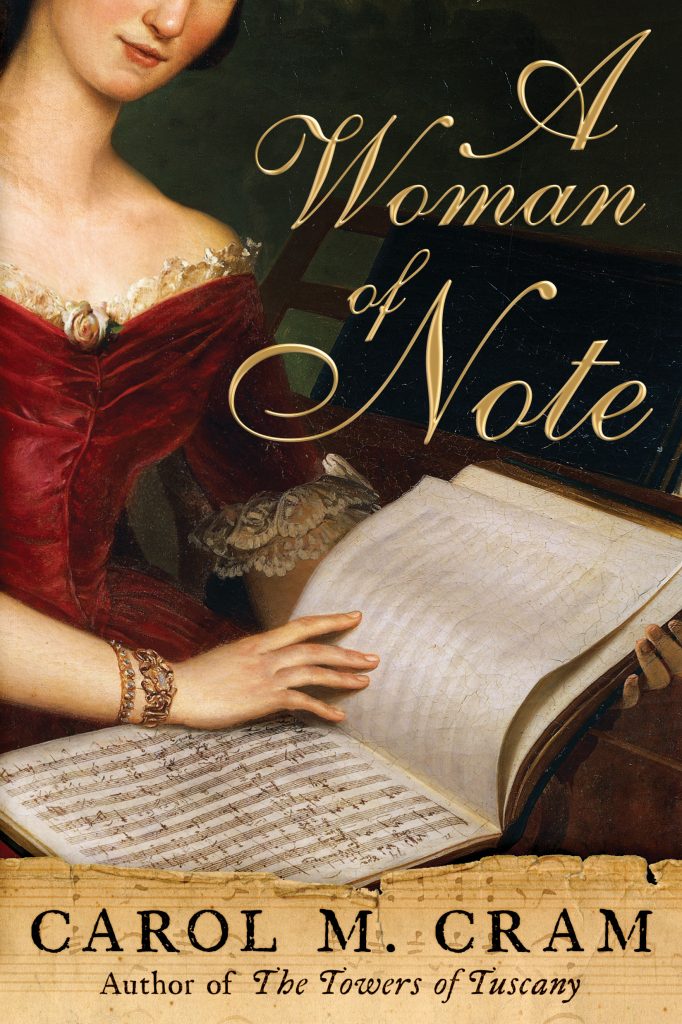
Here is a selection of posts about Paris. It’s a city I love so much that I set my fourth novel, Love Among the Recipes, there (and my second, A Woman of Note, includes several chapters set in 1830s Paris).
- How to Spend a Perfect Artsy Traveler Day in Paris
- Musée d’Orsay Famous Paintings: My Guide to the Must-See Masterpieces
- 9 Best Small Museums in Paris: Personal Picks for Art Lovers
- How to Spend Six Days in Paris for an Artsy Traveler
- Should You Go Up the Eiffel Tower in Paris?
- Love Among the Recipes: Paris Sights & Bistro Dishes

Carol M. Cram writes novels inspired by the arts; runs Artsy Traveler, an arts-focused travel blog, and Art In Fiction, a curated database of 2,700+ novels inspired by the arts; and hosts The Art In Fiction Podcast. She has also authored 60+ textbooks on computer applications and taught at Capilano University for over two decades. Carol lives with her husband, artist Gregg Simpson, on beautiful Bowen Island near Vancouver, BC.

 See all my novels